A good first day of school checklist is the difference between a frantic, forgotten-lunchbox morning and a calm start that sets the tone for the whole year. Whether you're a parent packing for little ones, a student heading into a new year, or a teacher setting up a classroom, the first day goes smoothly when the week before it was organised. This checklist walks through everything — supplies, paperwork, routines and nerves — so the bell rings on a household that's actually ready. And if you want the whole year to run like that, a 2026–2027 teacher planner or academic planner keeps the organisation going long past day one.
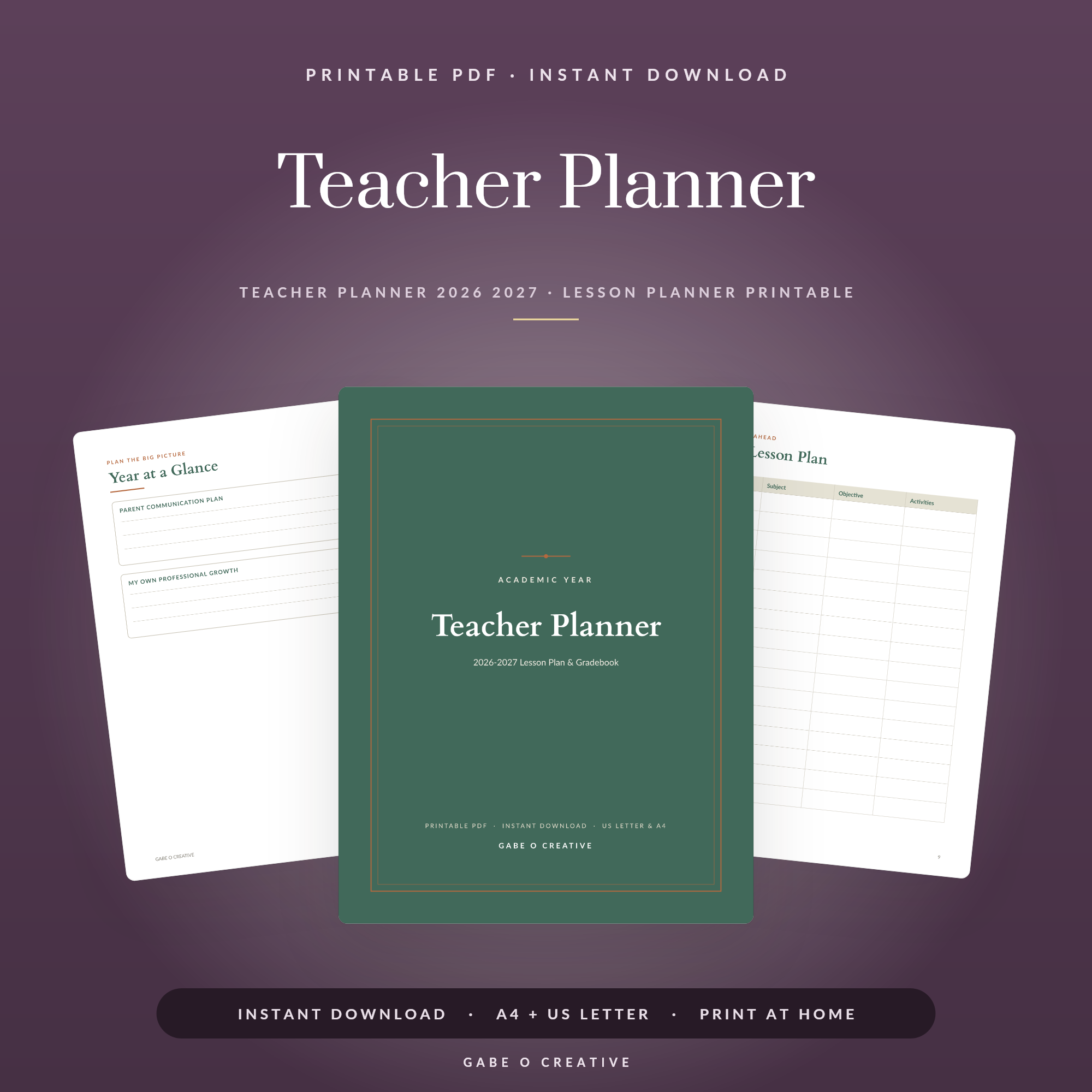
Setting up for the new school year? The teacher planner 2026–2027 has your class lists, lesson plans, meetings and to-dos in one calm, printable place.
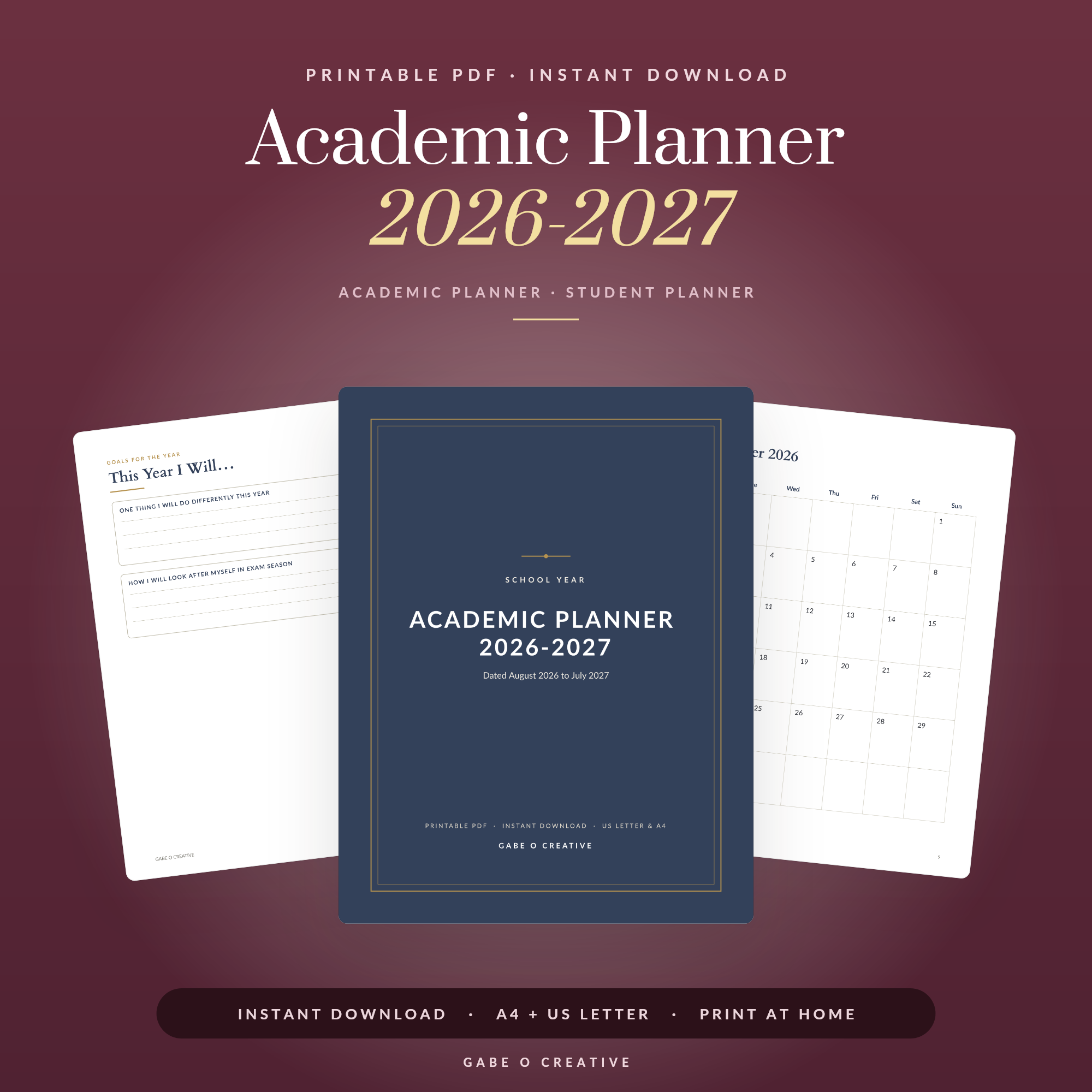 Shop Academic Planner 2026-2027 →
Two Weeks Before: The Groundwork
The secret to a calm first day is that it isn't really about the first day at all — it's about the fortnight before. Two weeks out, start ticking these off:
- Read everything the school sent. Supply lists, start times, drop-off rules, forms. Put key dates straight into your planner.
- Do the paperwork early. Enrolment forms, emergency contacts, medical and allergy information — schools always need it, and day-one queues are long.
- Shop the supply list once. One focused trip beats four panicked ones. Label everything that leaves the house.
- Check uniforms and shoes fit. Children grow over summer; try things on while shops still have stock.
- Book the essentials. Haircuts, dentist visits, before/after-school care — the slots vanish in the last week.
Parents juggling multiple children find a family command centre helpful — one visible place where term dates, forms and after-school activities live, so nothing depends on memory.
One Week Before: Reset the Routine
Summer bedtimes are the first-day enemy. A week out, start moving bedtime and wake-up time back toward school hours in 15–30 minute steps — it's far kinder than a single brutal Monday. Then rehearse the actual morning:
- Do a practice run. Wake, dress, breakfast, bag, out the door — timed. You'll find the bottlenecks (they're usually shoes).
- Walk or drive the route. New school? Visit the gate. Familiarity shrinks nerves more than any pep talk.
- Prep a launch pad. A hook and a box by the door: bag, shoes, coat, water bottle. Same place, every day.
- Plan five breakfasts and five lunches. Decision-free mornings are fast mornings.
- Talk through the day. Who'll be there, what happens at lunch, where pick-up is. Answered questions can't become worries.
The Night Before: The Golden Checklist
Everything that can be done tonight must not be left for the morning. The night-before list is short and sacred:
- Bag packed and by the door (books, pencil case, forms, PE kit)
- Uniform laid out — down to the socks
- Lunch made and in the fridge, water bottle filled
- Alarms set (one for the child, one backup for you)
- Phones and devices charging outside bedrooms
- An early, unrushed bedtime with time to talk
Students old enough to pack their own bag should — a student planner with a simple evening checklist builds the self-management habit that carries through the whole year. A sheet of student planner stickers makes the routine genuinely fun for younger planners.
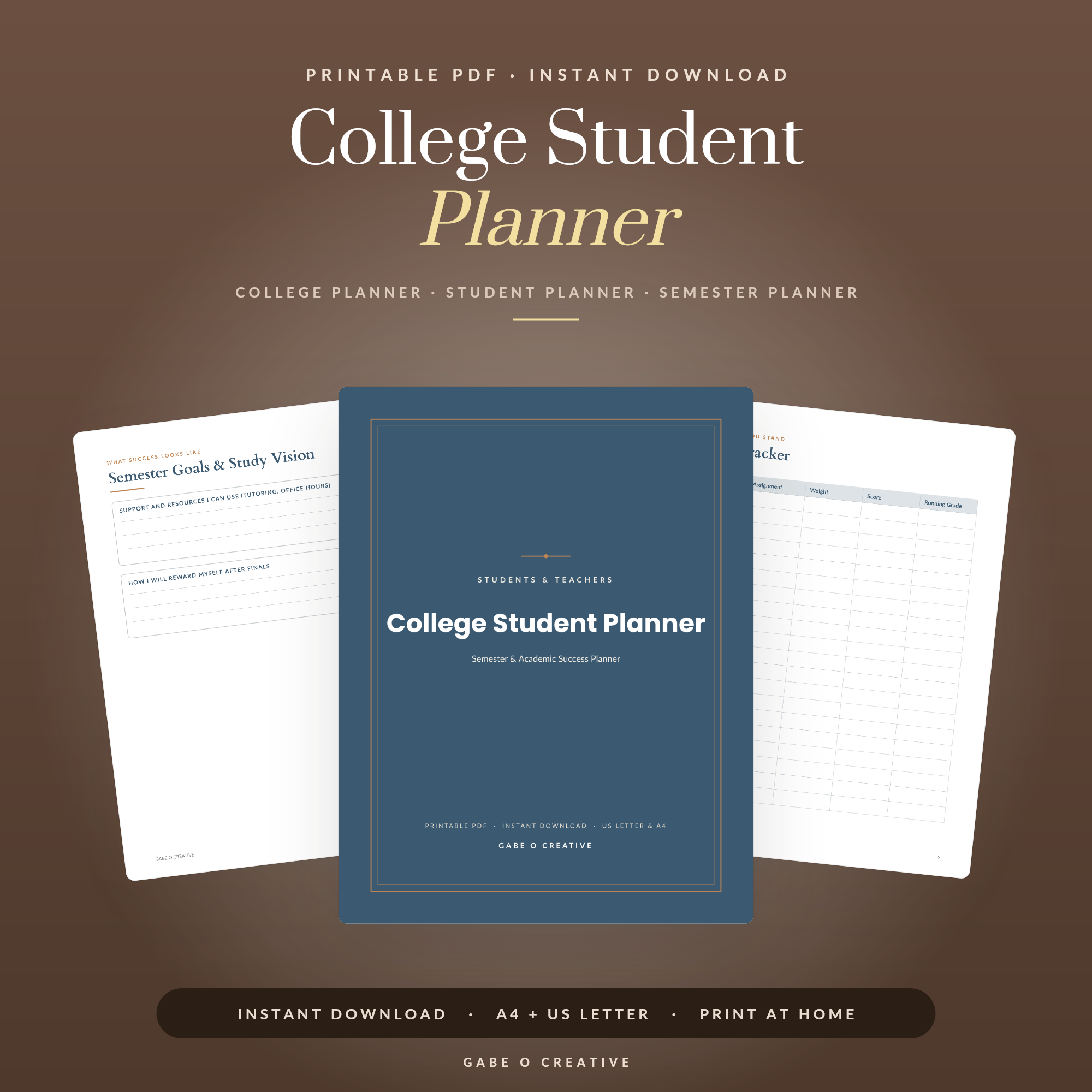 Shop College Student Planner →
For Teachers: Your Own First-Day List
Teachers run a parallel checklist, and the calm ones write it down:
| Before day one | Why it matters |
|---|---|
| Class lists, seating plan & name labels ready | Names learned faster = classroom settled faster |
| First week planned in your teacher planner | Day one energy goes to students, not logistics |
| Classroom set up: zones, displays, supplies | The room teaches your routines for you |
| One simple routine to teach on day one | Entry, attention signal, exit — the rest can wait |
| Sub folder prepared | Emergencies don't wait for a convenient week |
The 2026–2027 teacher planner holds all of it — year overview, weekly lesson pages, meeting notes and class records — and the classroom organization binder keeps the room itself running on rails. A prepared substitute binder is the gift your future self will thank you for. For a deeper dive, see our teacher planner guide and these classroom organization ideas.
The Morning Itself: Keep It Boring
If the fortnight's work is done, the first morning should be almost dull — and that's the goal. Wake up with time to spare, eat a proper breakfast, grab the pre-packed bag from the launch pad, and leave five minutes earlier than feels necessary. Take the doorstep photo quickly (one, not a shoot), keep the goodbye warm and brief, and trust the preparation. Clingy moments pass faster when the adult radiates calm — you've both rehearsed this.
Starting a brand-new school? Transitions — reception, a house move, or the jump to secondary — deserve one extra layer of prep. Attend every open morning offered, find one familiar face who will be there (a neighbour, a cousin, anyone), and learn the practical geography together: where the toilets are, where lunch happens, who to ask for help. For secondary starters, practise the locker code and reading a timetable — those two tiny skills are most of the first-week anxiety. And keep the first after-school week empty of clubs and plans; new schools are exhausting, and an early-nights buffer week makes the second week better than the first.
Then, that evening: ask specific questions ('Who did you sit next to? What was the best bit?'), celebrate the win, and reset the launch pad for day two. The first day is one day — but the routine you've just run is the whole year in miniature. Keep it going with our student planner printables guide, and the year stays as calm as the start.
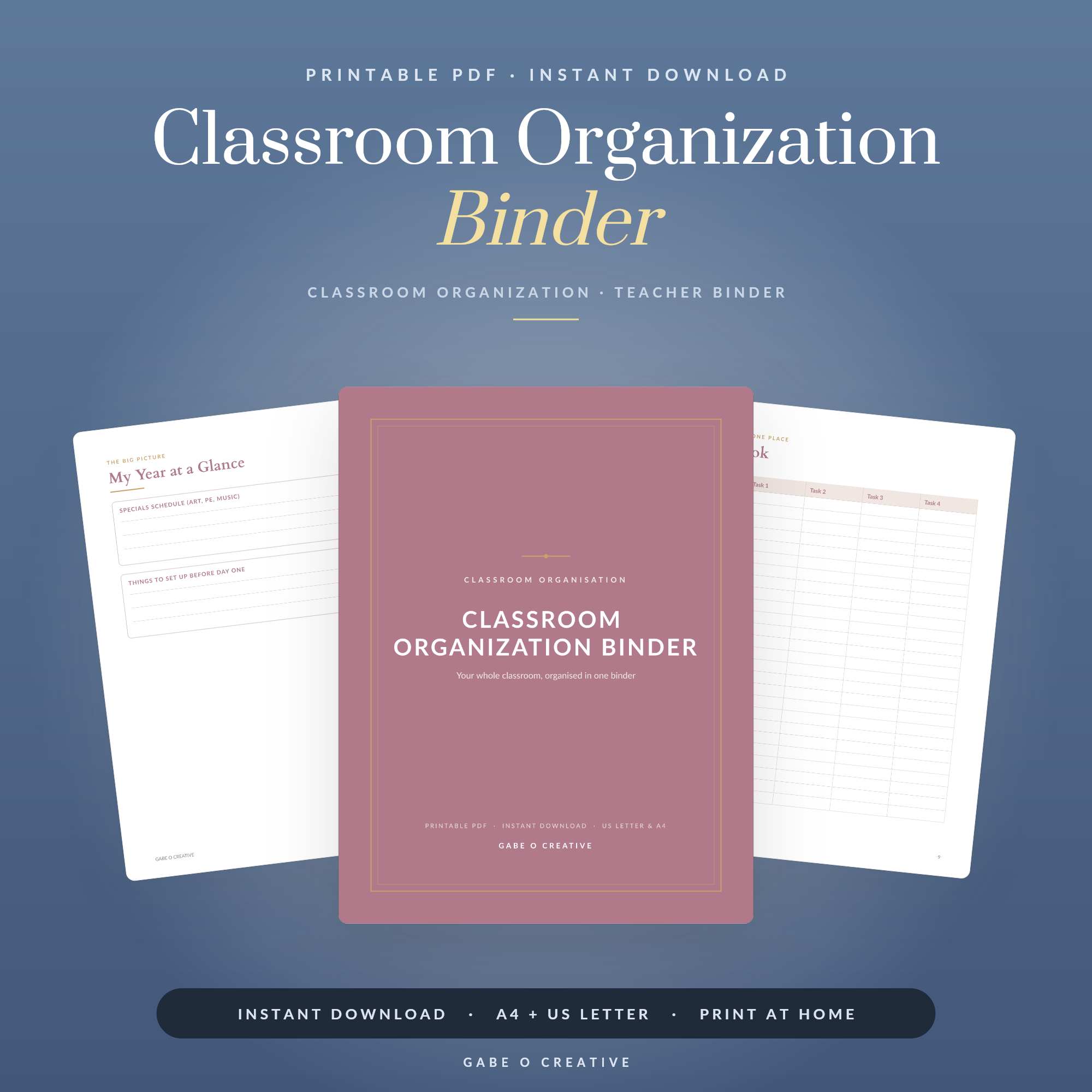 Shop Classroom Organization Binder →
First Day of School FAQs
What should be on a first day of school checklist?
Four areas: supplies (bag, stationery, lunchbox, water bottle), paperwork (enrolment forms, emergency contacts, medical info), routines (bedtime, wake-up, morning plan tested in advance) and comfort (uniform tried on, route practised, worries talked through).
When should I start preparing for the first day of school?
Two weeks out is the sweet spot. Week one for shopping and paperwork, week two for shifting bedtimes back to school time and doing a practice run of the morning routine — so the first real morning isn't the first attempt.
What school supplies do students actually need on day one?
Less than you think: the bag, a filled pencil case, a notebook or folder per subject, lunch and a water bottle, plus any list the school sent. Most teachers spend day one on introductions — you can top up supplies in week one once real requirements are clear.
How do I help my child with first-day nerves?
Practise the unknowns: visit the school gate, walk the route, try the uniform, talk through what the day will look like. Nerves shrink when the brain has fewer surprises to worry about — and an early night plus an unhurried morning does the rest.
What should teachers prepare before the first day?
Class lists and seating plan, name labels, a first-week lesson outline, classroom setup, and a simple routine to teach on day one. A teacher planner keeps all of it — plus meetings, birthdays and to-dos — in one organised place all year.
How can I keep the whole school year organised after day one?
Keep one planner per person: an academic planner for students, a teacher planner for the classroom. Ten minutes of planning each Sunday keeps assignments, tests and events from ever piling up into a crisis.
Ready for a calm start to the year? Grab the teacher planner 2026–2027 or the academic planner, and browse the full Students & Teachers collection for everything the new school year needs.