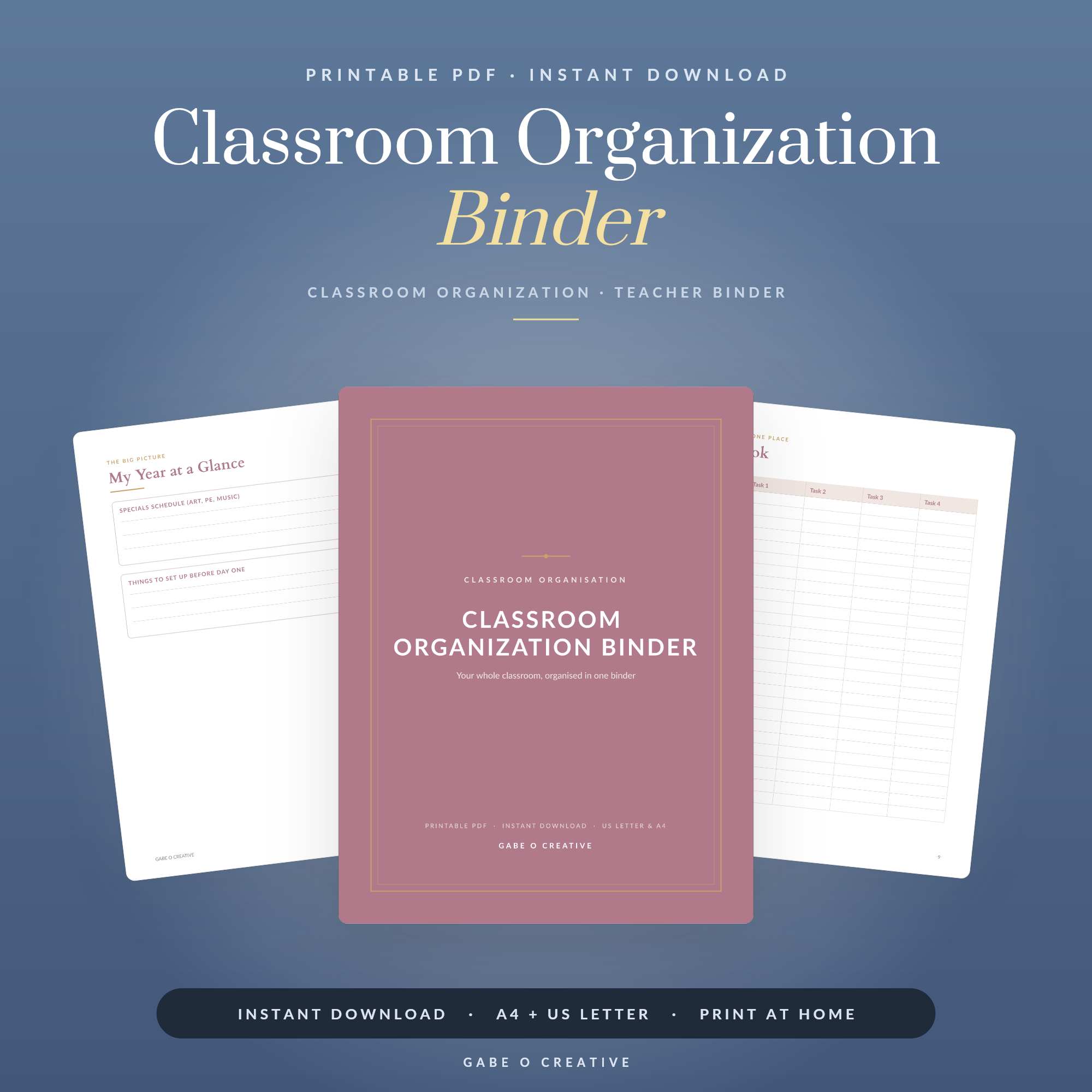
Smart classroom organization ideas are the quiet secret behind a calm, well-run school year—and the summer break is the perfect time to put them in place. When your room has clear zones, everything is labelled, and your paperwork lives in one trusted spot, you spend less time hunting and more time teaching. The single biggest win is keeping the documents you reach for daily in one printable system, like our Classroom Organization Binder, so class lists, seating charts and routines are never lost in a drawer.
Want your room sorted before the first bell? Print the Classroom Organization Binder and work through these ideas zone by zone over a quiet afternoon.
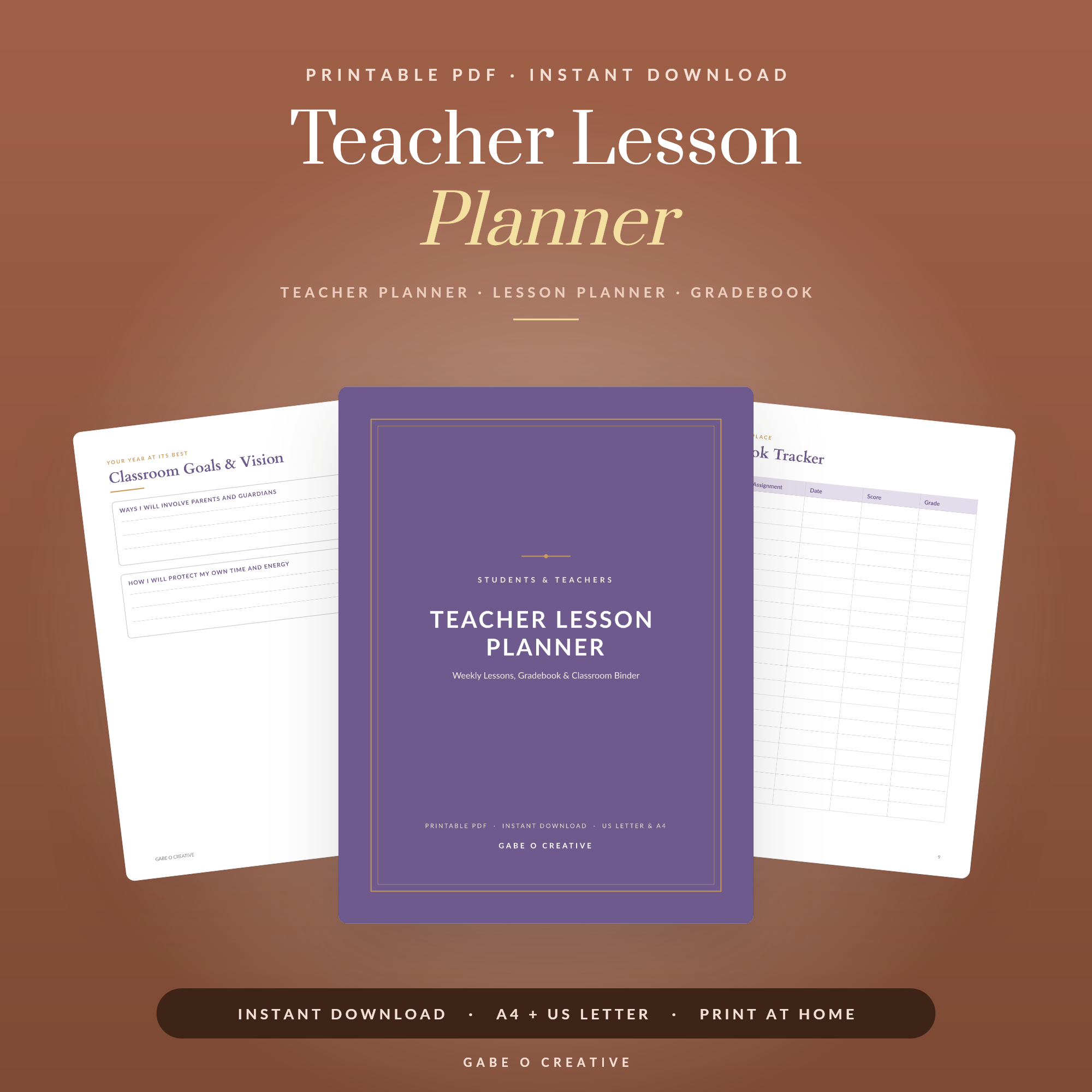 Shop Teacher Lesson Planner →
Why Classroom Organization Ideas Matter So Much
Good classroom organization ideas aren't about a Pinterest-perfect room—they're about protecting your time and energy. An organised classroom lowers stress for you and your students, because everyone knows where things go and what happens next. That predictability is calming for children and frees you to focus on the actual teaching.
A well-organised room delivers:
- Fewer disruptions—students find and return supplies independently.
- Less wasted time—no daily hunt for the register or that one worksheet.
- A calmer atmosphere—tidy space, tidy mind, for the whole class.
- An easier handover—a clear room is a gift to any cover teacher.
The goal is a room that more or less runs itself, so your attention goes to the children rather than the chaos.
Set Up Classroom Zones That Work
The foundation of any organised room is dividing it into clear, purposeful zones. When each area has one job, both you and your students always know where to be and what to do.
Map your core zones first
Most classrooms work best with a teaching zone at the front, a supplies station, a reading or quiet corner, and a small-group table. Walk the room and decide where each lives before you move a single shelf—planning on paper saves hours of heavy lifting.
Label everything, then label it again
Labels turn a tidy room into a self-running one. Tubs, drawers, shelves and trays should all be labelled with words and, for younger pupils, a picture. When students can read where things belong, they put them back—and your tidy system survives past the first week. Keep your seating plans and zone maps in your teacher binder so you can tweak them as the class settles.
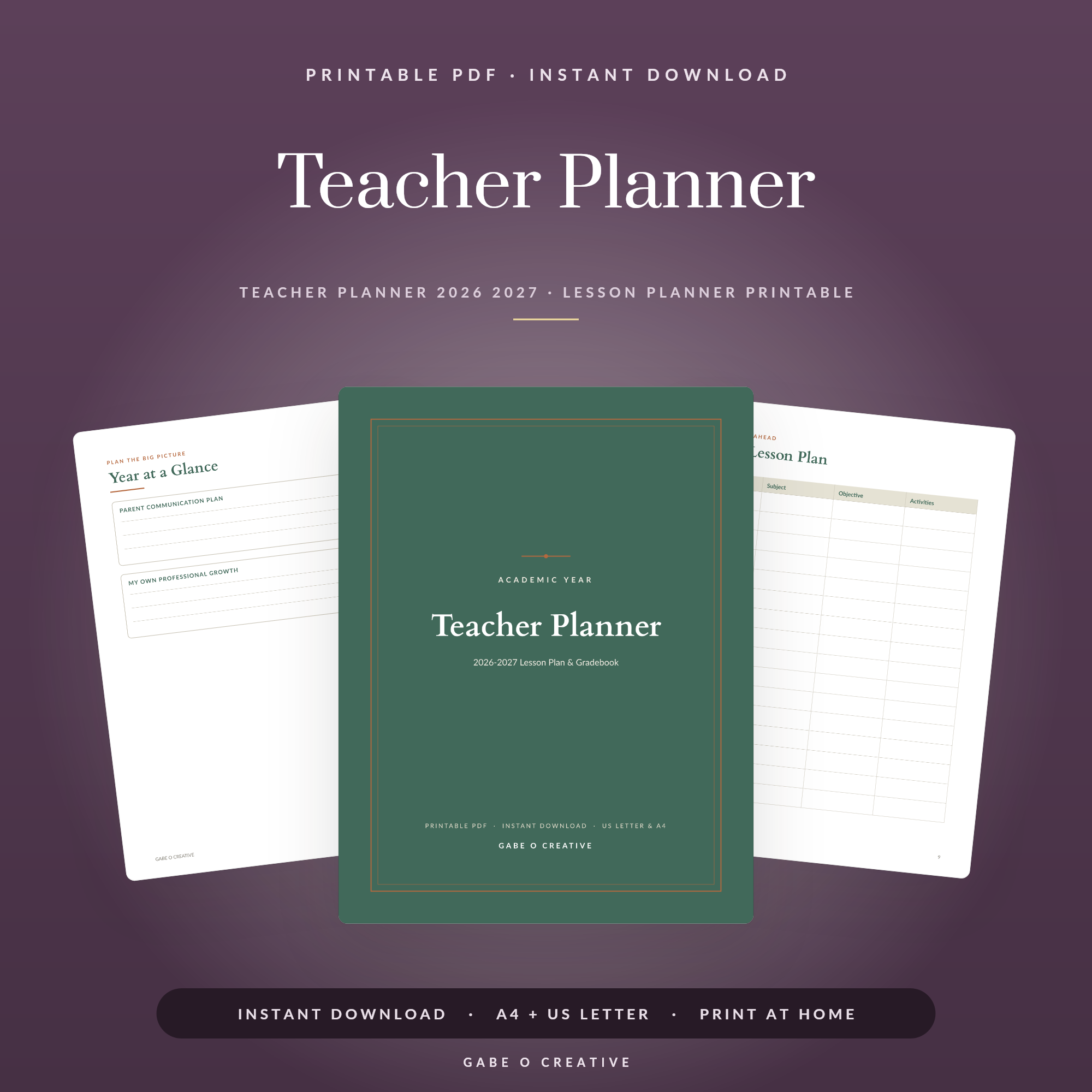 Shop Teacher Planner →
Tame the Classroom Paperwork
Paper is where most classroom organisation falls apart, so give it a system of its own. Set up three trays—turn-in, to-grade and returned—so work flows in one direction and never piles up. The moment a piece of paper lands on your desk, decide instantly: action it, file it, or recycle it.
For the documents you reach for constantly, a binder beats a drawer every time. Your Classroom Organization Binder can hold class lists, contact details, behaviour logs and routines, while a dedicated Teacher Lesson Planner keeps your weekly planning right where you need it. For a full term-and-year view, pair them with a 2026–2027 Teacher Planner—our guide to the best teacher planner printables helps you choose the right fit.
Classroom Organization Ideas by Area
Not sure where to start? Use this quick reference to tackle the room one area at a time:
| Area | Quick organisation win |
|---|---|
| Supplies | Clear, labelled tubs students can refill themselves |
| Paperwork | Turn-in, to-grade and returned trays in one flow |
| Teacher desk | One binder for everything you reach for daily |
| Reading corner | Books faced out and sorted by level or theme |
| Walls | Display only what's current—rotate, don't pile |
Pick the area that frustrates you most and start there. One sorted zone gives you the momentum to tackle the next.
Get Students Helping With Classroom Organisation
The best-organised classrooms aren't run by the teacher alone—they're run by the whole class. When children share responsibility for keeping the room tidy, your systems survive far longer and pupils learn genuine independence along the way. The trick is to make every job small, clear and visible.
Classroom jobs that stick
Assign simple weekly roles—book monitor, supply checker, line leader, tidy captain—and display them on a rota so there's never any confusion about whose turn it is. Rotate the jobs so everyone gets a go, and keep the instructions for each task short enough that a five-year-old could follow them. Children take real pride in 'their' job, and a class that tidies itself is a class that gives you back precious minutes every single day.
Reinforce it gently. A quick countdown at pack-away time, a calm bit of music, and clear labels showing where each thing lives turn tidying from a chore into a familiar routine the whole class can run on autopilot. Note your job rota and any class responsibilities in your Classroom Organization Binder so a cover teacher can keep the same system running while you're out.
Keep It Organised All Year
The best classroom organisation ideas are the ones still working in March — systems built on routines survive; systems built on tidy-up blitzes don't. If you're setting up a room from scratch, our classroom setup checklist for new teachers walks the whole thing in order.
The hardest part isn't setting up—it's staying set up past October. The fix is small, repeatable habits: a five-minute tidy as students pack away, a Friday paperwork sweep, and a quick monthly declutter of supply tubs. Build these into your routine and the system maintains itself.
It's also worth planning for the days you're not there. A tidy, labelled room makes life infinitely easier for cover staff, so pair your setup with a ready-to-go plan—our guide on how to make sub plans walks you through it. And if you teach at home, many of these same ideas translate beautifully; see our homeschool planner printable guide for a home-friendly version.
Want the lot in one go? The Student & Teacher Planner Bundle brings together planning and organisation tools at the best value, or browse the full Students & Teachers collection to build a setup that suits your room.
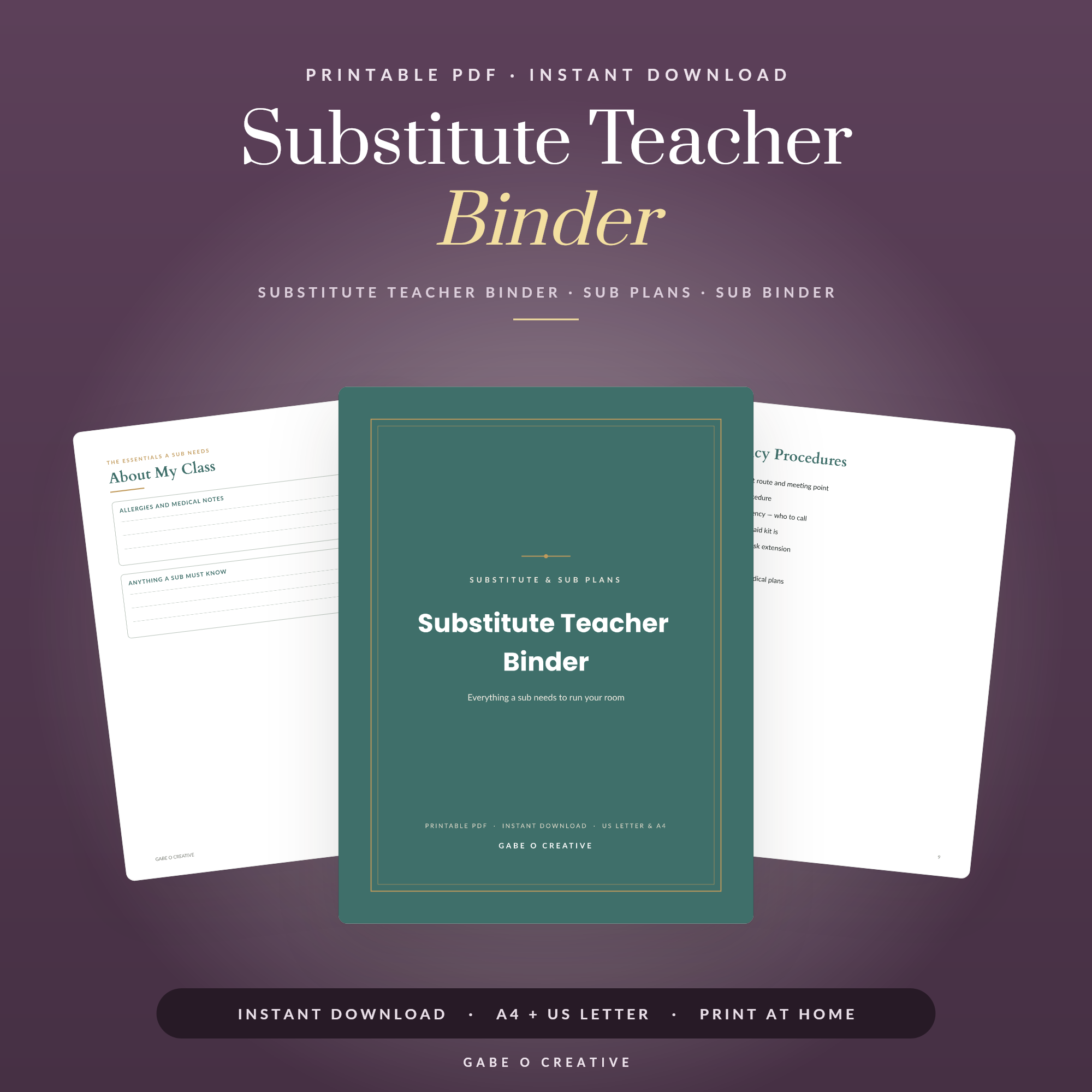 Shop Substitute Teacher Binder →
Classroom Organization FAQs
What are the best classroom organization ideas for a new teacher?
Start by dividing the room into clear zones—teaching, supplies, reading and small-group—then label everything so students can find and return items themselves. Keep your own paperwork in one teacher binder so nothing important goes missing in week one.
How do I organise my classroom before school starts?
Work in layers: declutter first, then plan your zones and seating, then set up storage and labels, and finally build your teacher binder with rosters, seating plans and routines. That order stops you organising around clutter you should have binned.
What is a classroom organization binder?
It's a single printable binder that holds the documents you reach for daily—class lists, seating charts, parent contacts, behaviour logs, planning pages and routines—so you stop hunting through drawers and folders all term.
How can I keep my classroom organised all year, not just in September?
Build small reset habits into your week: a five-minute end-of-day tidy, a Friday paperwork sweep, and a monthly declutter of your supply zones. Systems only stay organised if they're easy to maintain.
What are the best ways to organise classroom paperwork?
Sort paper the moment it lands: action, file or recycle. Keep a turn-in tray for students, a to-grade tray for you, and a returned tray for completed work, then store reference documents in your teacher binder rather than loose piles.
How do I organise classroom supplies on a budget?
Reuse what you have—labelled cereal boxes, jars and shoeboxes work beautifully—and focus your spending on clear, stackable tubs and a good label maker. Consistent labelling matters far more than matching storage.
Ready to set up your calmest year yet? Grab the Classroom Organization Binder and sort your room before term starts, or explore the full Students & Teachers collection for everything you need to teach with less stress.