If you have ever Googled how to pay off debt, you have hit the same fork in the road: debt snowball vs avalanche. One method is faster on paper. The other keeps you motivated enough to actually reach the finish line. Both work, and both beat drifting along paying minimums forever. The real question is not which is mathematically perfect, but which one you will still be doing in six months. Let us settle it clearly.
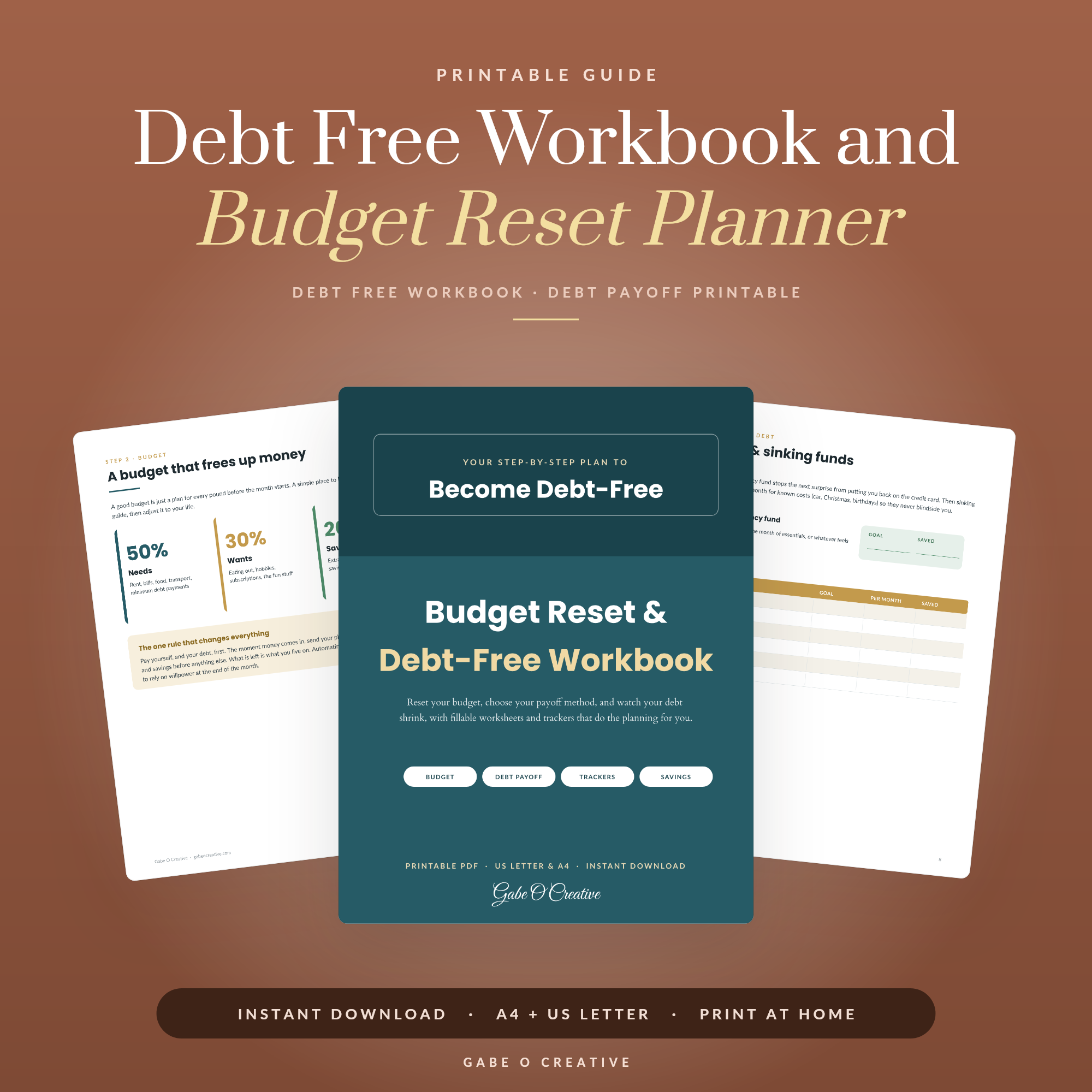
Ready to pick your method and plan your debt-free date? Our Debt Free Workbook and Budget Reset planner is a beautifully designed printable PDF that explains snowball and avalanche, lists every debt, and gives you a payoff thermometer to colour in as you go.
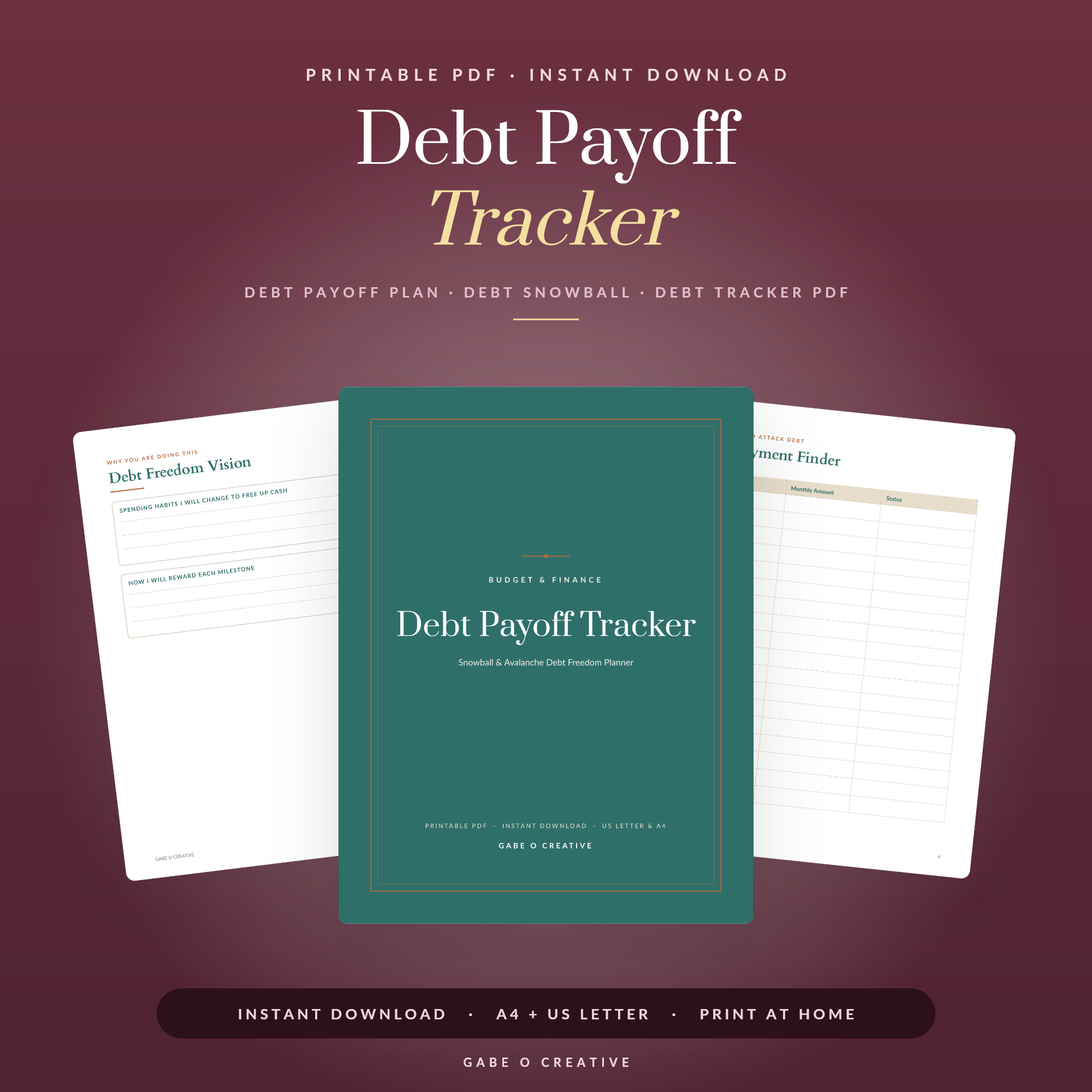 Shop Debt Payoff Tracker →
Debt Snowball vs Avalanche: The Quick Answer
Both methods follow the same two rules: pay the minimum on every debt, then throw every spare pound at one target debt until it is gone. The only difference is which debt you target first.
- The debt snowball targets your smallest balance first, regardless of interest rate. You clear it fast, feel a real win, then roll that payment onto the next smallest.
- The debt avalanche targets your highest interest rate first, regardless of balance. You pay less interest overall, so you save the most money and usually finish slightly sooner.
In short: the avalanche wins on maths, the snowball wins on motivation. For a lot of people, motivation is the thing that decides whether they finish at all, which is why the snowball is so popular despite being a touch more expensive.
How the Debt Snowball Method Works
The snowball is built around momentum. You line up your debts from smallest balance to largest, ignore the interest rates for a moment, and attack the smallest first. Because small debts clear quickly, you get an early win in weeks rather than years, and that hit of progress is powerful.
Here is the flow:
- List every debt from smallest balance to largest.
- Pay minimums on all of them to protect your credit.
- Attack the smallest with every spare pound you have.
- Roll it over. When it is cleared, add that payment to the next smallest, and so on.
Each cleared debt makes the next one fall faster, because the freed-up payment grows like a snowball rolling downhill. If you have started a payoff plan before and lost steam, this is usually the method that gets you over the line.
How the Debt Avalanche Method Works
The avalanche is built around efficiency. You line up your debts from highest interest rate to lowest and attack the most expensive first. Because high-interest debt is the part quietly working against you, clearing it first means less interest piling up while you pay everything else down.
The steps are identical to the snowball, with one change: you order by interest rate, not balance. Pay minimums everywhere, then pour everything extra into the highest-rate debt until it is gone, then move to the next highest. You will pay less in total and, on paper, become debt-free a little sooner. The catch is that your first target might be a large balance, so the first win can take a while, which is exactly where some people give up.
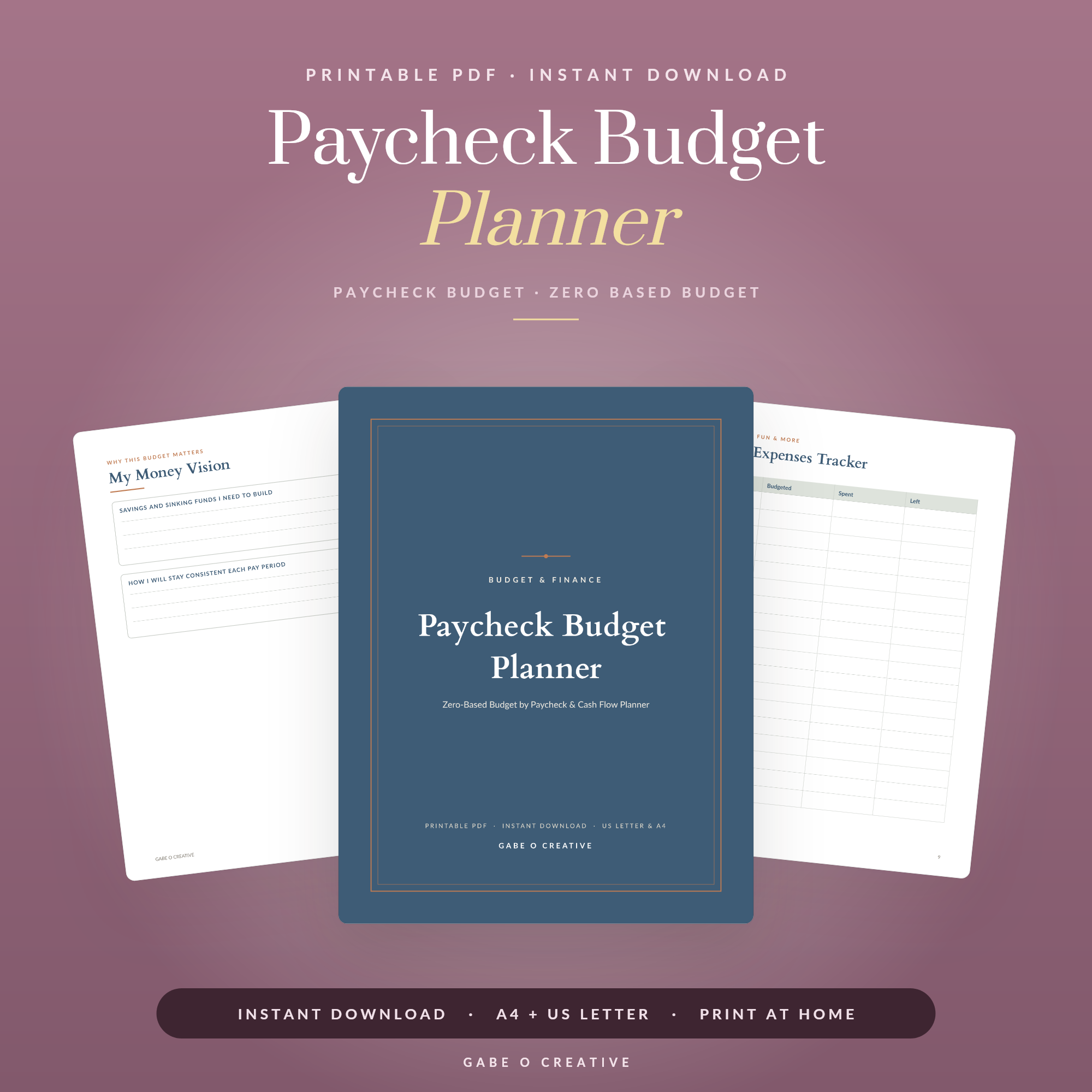 Shop Paycheck Budget Planner →
Snowball vs Avalanche: A Side-by-Side Comparison
Still torn? Here is the short version laid out plainly:
| Method | Best for |
|---|---|
| Debt snowball (smallest balance first) | Motivation, quick wins and anyone who has stalled before |
| Debt avalanche (highest interest first) | Saving the most money and finishing slightly sooner on paper |
| A blend of both | Clearing one or two small debts for momentum, then switching to interest |
A worked example helps. Imagine you owe 400 pounds on a store card at 24 percent, 1,200 pounds on a credit card at 19 percent, and 6,000 pounds on a car loan at 6 percent. The snowball clears the 400 pound store card first for a fast win. The avalanche also starts with that store card here, because it happens to carry the highest rate, so the two methods agree. They only diverge when your smallest balance is not your most expensive debt. That is when you have to decide what matters more to you: a quick win, or saving on interest.
How to Choose and Actually Stick to It
The honest truth is that the difference in cost between the two methods is often modest, while the difference in whether you finish is enormous. So choose for your personality:
- Pick the snowball if you need to see progress to stay motivated, or you have abandoned a plan before.
- Pick the avalanche if you are driven by saving money and can stay patient through a bigger first target.
- Blend them if you want the best of both: knock out a tiny debt or two for momentum, then switch to interest order.
Whichever you choose, two things make or break it. First, a budget that frees up real cash each month, because the plan only works if you have something extra to throw at your target. If your pay varies, the paycheck budgeting planner helps you assign every payment, and the full Budget & Finance planner binder helps you find the spare money in the first place. Second, visible progress. A debt payoff tracker with a colour-in chart turns slow months into something satisfying to watch.
For more, read our debt snowball tracker guide, the 50/30/20 budget rule for an easy framework, and the cash envelope system if overspending is what keeps the balances high.
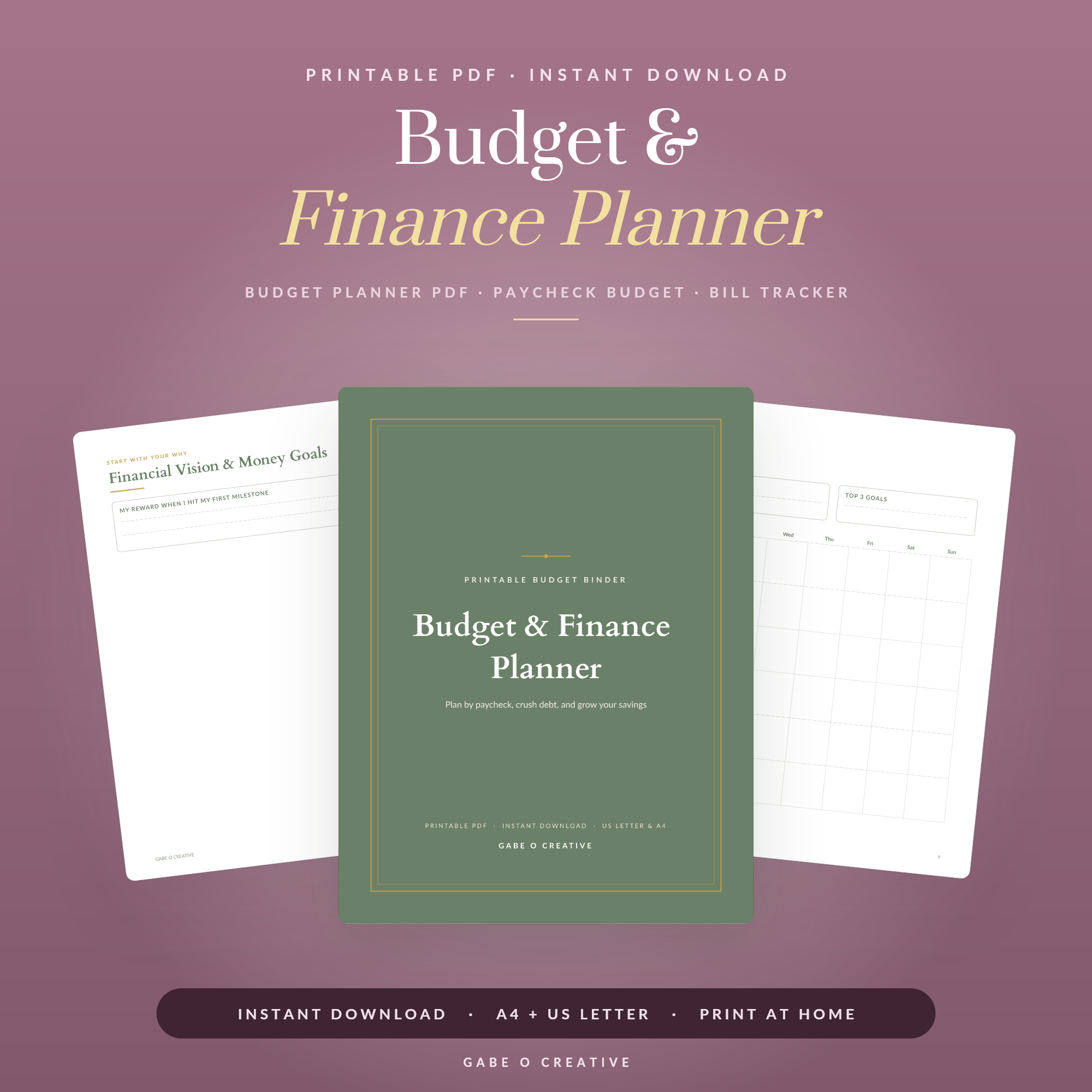 Shop Budget & Finance Planner →
Put Your Whole Plan in One Place
You do not need to juggle the maths in your head. Our Debt Free Workbook and Budget Reset planner walks you from an honest money snapshot to a debt-free date: the 50/30/20 budget made simple, snowball versus avalanche explained, a full debt list, a payoff thermometer and milestones to celebrate. If you want the wider toolkit, the budget and finance bundle brings the workbook, budgets and trackers together at the best value.
Debt Snowball vs Avalanche FAQs
What is the difference between debt snowball and avalanche?
The debt snowball pays off your smallest balance first for quick, motivating wins. The debt avalanche pays off your highest interest rate first to save the most money. Both pay minimums on everything else and throw all spare cash at one target debt at a time.
Which is faster, debt snowball or avalanche?
Mathematically the avalanche is faster and cheaper, because clearing high-interest debt first means less interest piling up. In real life the snowball often finishes faster for people, because the early wins keep them motivated enough to stick with the plan.
Does the debt avalanche really save more money?
Yes, on paper. By targeting your highest interest rate first, the avalanche reduces the total interest you pay and usually clears the debt slightly sooner. The gap is often smaller than people expect, especially if your balances and rates are fairly similar.
Should I use the snowball or avalanche method?
Choose the avalanche if you are motivated by saving money and can stay the course without quick wins. Choose the snowball if you have started and stalled before, or you need visible progress to keep going. The best method is the one you will actually finish.
Can I switch between snowball and avalanche?
Absolutely. Many people start with the snowball to clear one or two small debts and build momentum, then switch to the avalanche to save on interest for the larger balances. A good debt workbook lets you list everything and reorder it whenever you like.
How do I stay motivated paying off debt either way?
Make progress visible. Colour in a payoff thermometer, celebrate every cleared balance, and keep your plan somewhere you see it daily. A budget that frees up extra cash each month is the fuel, and a tracker turns slow progress into something satisfying to watch.
Ready to choose your method and start? Grab the Debt Free Workbook and Budget Reset planner and list your first balances today, or explore the full Budget & Finance collection for everything you need to take control. This workbook is general educational information, not financial advice, so for your own situation speak to a qualified adviser or a free debt-advice charity.