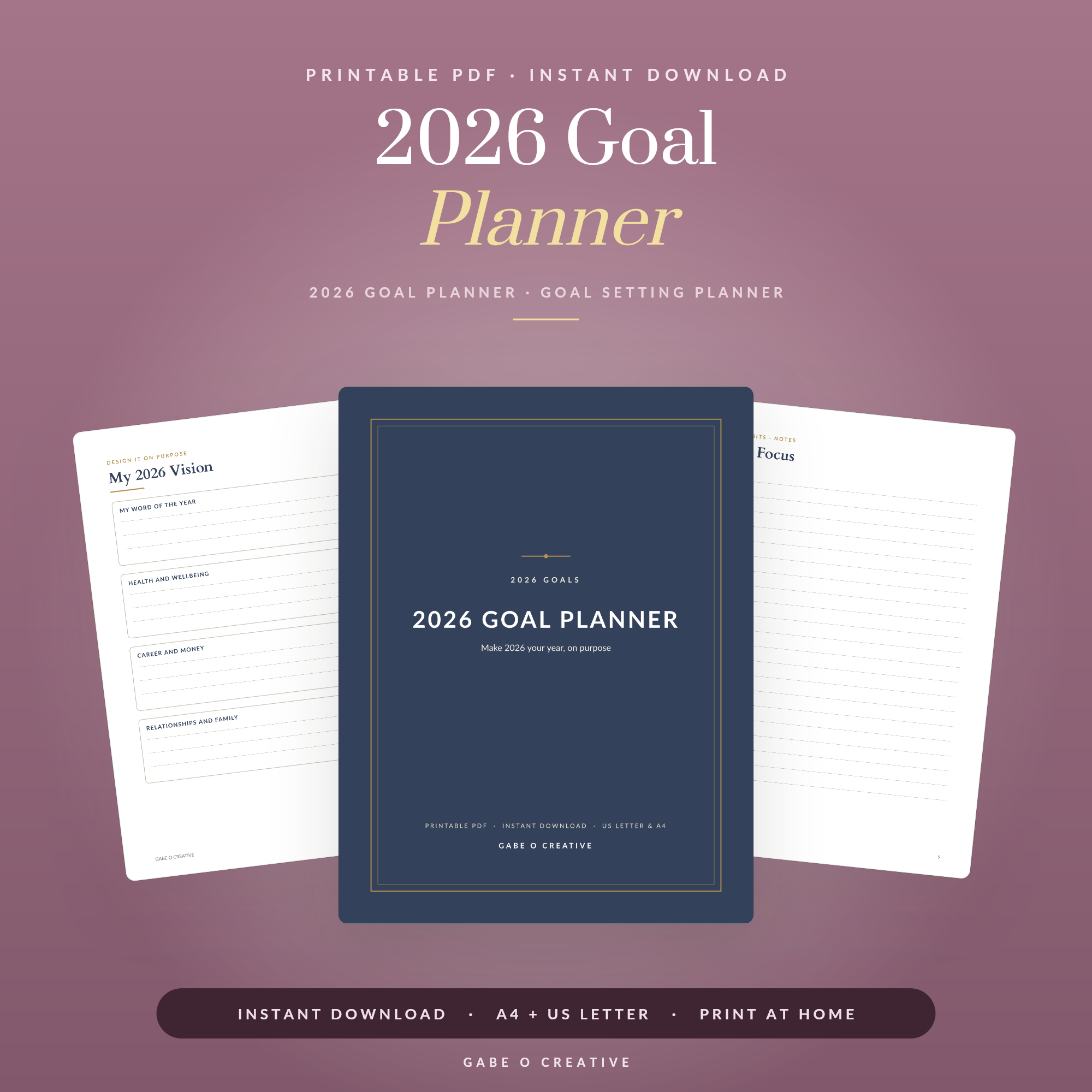
This mid-year reset checklist is your permission slip to start again. We're at the exact midpoint of 2026, and if your January goals have gone quiet, you are completely normal—and far from out of time. A mid-year reset is a calm, structured look back at the first six months, followed by a clear plan for the second half of the year. Done well, it beats a tired New Year resolution because you're planning with real data, not wishful thinking. The easiest way to do it is on paper with a single tool that holds the whole process, like our 2026 Goal Planner.
Want to reset your goals in under an hour today? Print the 2026 Goal Planner, grab a cup of tea, and work through the checklist below from start to finish.
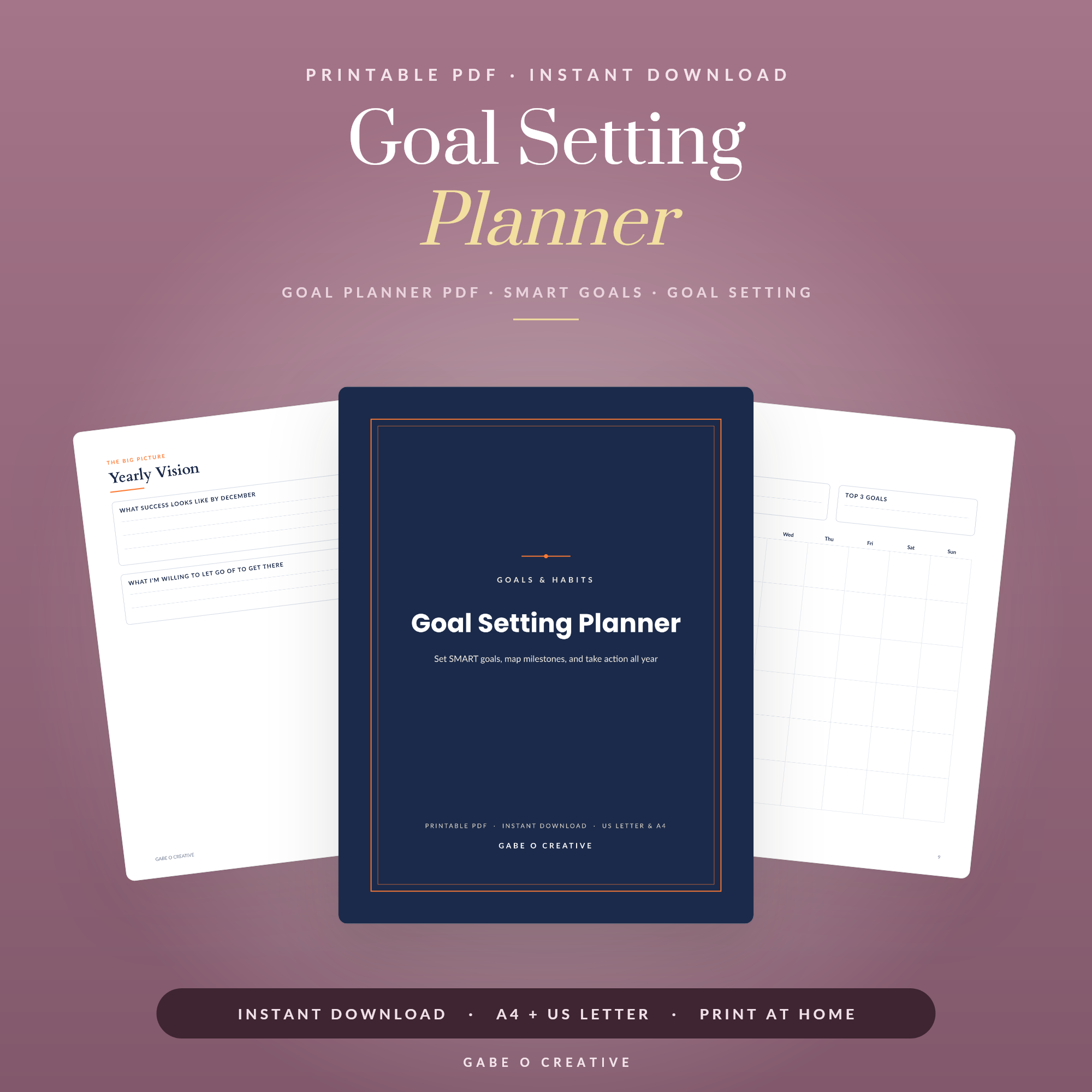 Shop Goal Setting Planner →
Why a Mid-Year Reset Beats Starting Over in January
The reason a mid-year reset checklist works so well is that it lands at the perfect time. By the end of June you've lived through half the year, so you know what actually fits your life and what was never realistic. New Year planning asks you to guess; a mid-year reset asks you to adjust. That's a far easier, more honest place to plan from.
A proper reset gives you four things:
- Perspective—an honest look at what the first half really delivered.
- Permission—to drop goals that no longer fit without guilt.
- A fresh 90-day runway—short enough to feel urgent, long enough to matter.
- Momentum—the quiet confidence of starting the second half with a plan.
You don't need a whole free day. An hour or two with the right pages is enough to turn a vague 'I should get back on track' into a written plan you'll actually follow.
The Mid-Year Reset Checklist: Step by Step
Work through these four stages in order. Each builds on the one before, so resist the urge to jump straight to new goals before you've looked back.
1. Review the first half of the year
Start by looking back, not forward. Write down three things that went well, three that didn't, and one lesson you want to carry forward. Pull out your original goals and mark each one: on track, behind, or no longer relevant. This honest audit is the foundation everything else sits on.
2. Reset your goals
Now decide what the second half is actually for. Keep the goals that still matter, retire the rest, and rewrite each survivor as a specific outcome with a deadline. A focused tool like our SMART Goal Setting Planner helps you turn a fuzzy wish into a measurable target, while the 90 Day Goal Planner breaks each one into a quarter you can act on this week.
3. Reset your habits and routines
Goals are powered by daily habits, so this is where reality lives. Pick two or three keystone habits that move your biggest goals—movement, sleep, a money check-in—and track them visibly. A simple 2026 Habit Tracker turns intention into a streak you won't want to break. For the deeper how-to, see our guide on building a habit tracker printable that actually sticks.
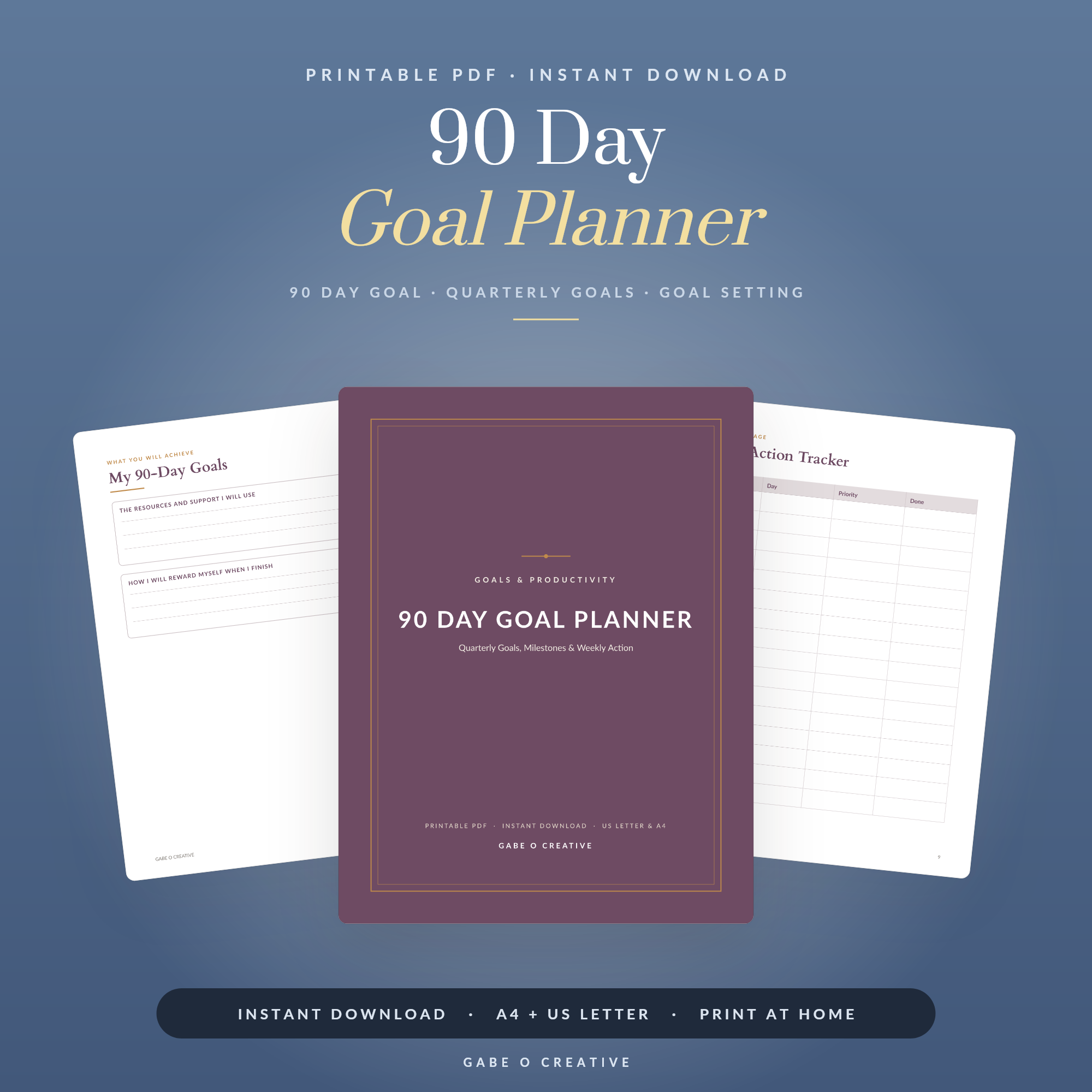 Shop 90 Day Goal Planner →
4. Reset your finances
Money goals quietly drift more than any other kind, so give yours a mid-year MOT. Check your savings progress, cancel subscriptions you've stopped using, and reset your budget for the months ahead. If a summer of overspending needs reining in, a short no-spend challenge is a brilliant way to claw the second half back on track.
Your Mid-Year Reset at a Glance
Here's the whole checklist in one place, so you can see exactly where to spend your time:
| Reset area | Ask yourself |
|---|---|
| Look-back review | What worked, what didn't, what will I keep? |
| Goals | Which goals still matter, and what's the deadline? |
| Habits | Which 2–3 daily habits drive my biggest goals? |
| Finances | Where's my money going, and what can I trim? |
| Life admin | What clutter, appointments or loose ends can I clear? |
You won't fix everything in one sitting, and you shouldn't try. The point of the checklist is direction, not perfection—pick the area that's been nagging you most and start there.
Common Mid-Year Reset Mistakes to Avoid
A mid-year reset only works if you're honest and realistic, so it's worth sidestepping the traps that quietly sabotage most people. The first is skipping the review and leaping straight to shiny new goals—without understanding why January's plans stalled, you'll simply repeat the same pattern. The second is over-committing: a reset is a chance to do less, better, not to pile a fresh stack of resolutions onto an already full life.
The third mistake is treating the reset as a one-off event. The people who finish the year strong don't just plan in July and forget—they keep the plan alive with a short weekly check-in. Five honest minutes each Sunday, asking 'what moved and what stalled?', does more for your goals than any heroic planning marathon. Finally, don't aim for a perfect, colour-coded system you'll abandon by August. A scrappy plan you actually use beats a beautiful one you don't, every single time.
Make the Second Half of the Year Count
Once your reset is on paper, the trick is keeping it visible. Stick your top three goals somewhere you'll see them daily, and review your progress for five minutes each Sunday. A Vision Board Kit is a lovely way to keep the second half's goals front of mind—our guide to making a vision board printable shows you how to build one that's a plan rather than just a pretty collage.
If your reset surfaced a head full of loose ends, do a quick brain dump first to clear the mental clutter, then return to the checklist with a calmer mind. And if you want a planner that handles the whole second half, browse the full Goals & Productivity collection to find the tool that fits how you actually work.
The most important thing is simply to begin. Half a year is more than enough time to make real, satisfying progress—but only if you swap the guilt of January's broken promises for a fresh, realistic plan today.
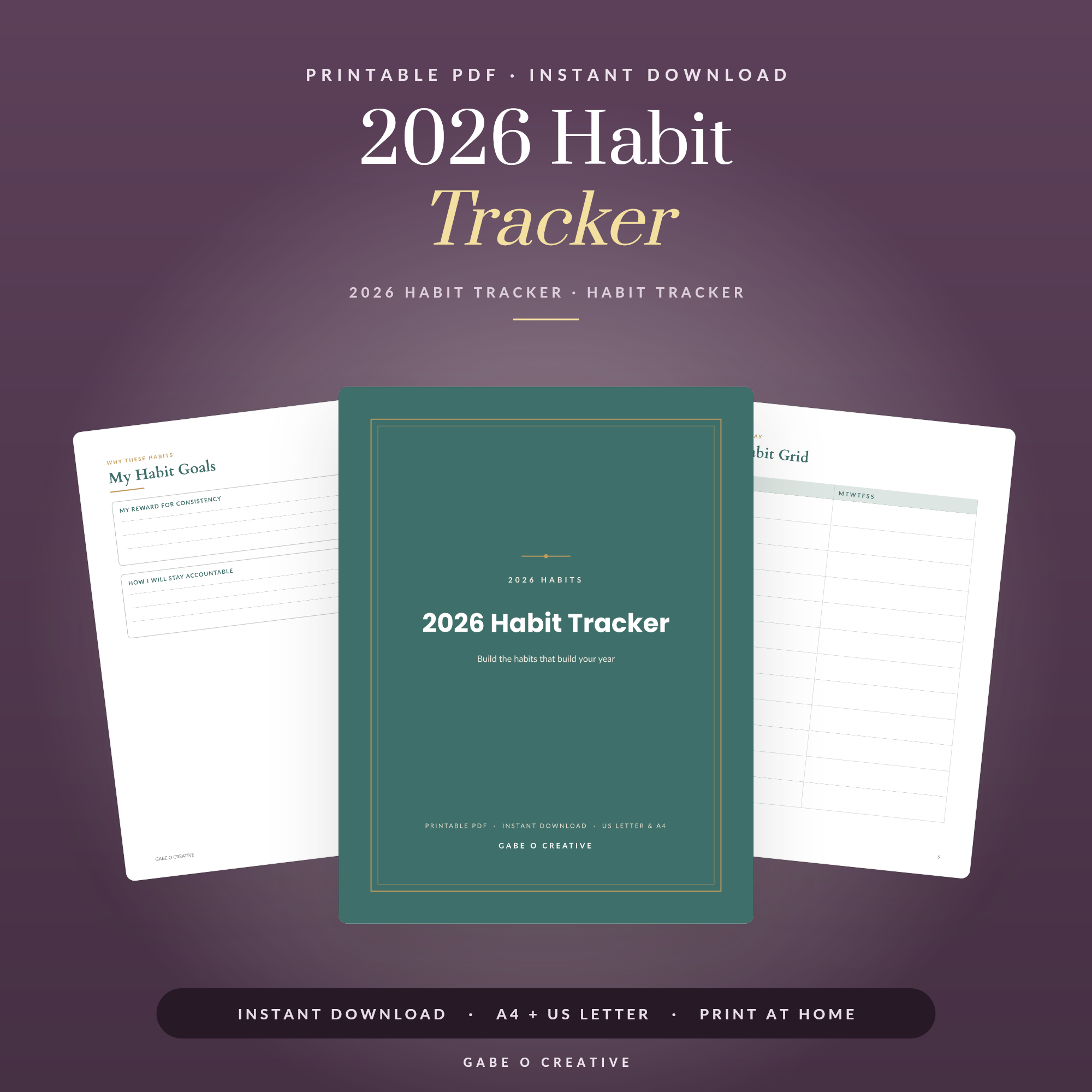 Shop 2026 Habit Tracker →
Mid-Year Reset Checklist FAQs
What is a mid-year reset checklist?
It's a simple, step-by-step review you run at the year's halfway point. You look back at the first six months, celebrate what went well, drop what isn't working, and reset your goals, habits and finances for the second half of the year.
When is the best time to do a mid-year reset?
The natural point is late June or early July, right around the year's midpoint. Any quiet summer weekend works, though—what matters is giving yourself an hour or two to reflect and re-plan rather than the exact date.
How do I do a mid-year goal review?
Pull out your original goals, mark each as on track, behind or no longer relevant, and ask why. Then keep the goals that still matter, adjust the timelines, and break each one into a 90-day plan you can actually action.
What should a mid-year reset include?
Cover four areas: a look-back review, your goals, your habits and routines, and your finances. Add a quick life-admin sweep so you head into the second half feeling clear rather than behind.
Is it too late to hit my 2026 goals?
Not at all. Six months is plenty of time to make real progress, and a fresh 90-day push often beats a tired New Year resolution. Reset the goal to fit the time you have left and start again with momentum.
What's the difference between a mid-year reset and New Year planning?
New Year planning starts from a blank slate, while a mid-year reset builds on real data—you already know what worked and what didn't this year. That makes your second-half plan more realistic and far more likely to stick.
Ready to restart your year? Grab the 2026 Goal Planner and work through your mid-year reset today, or explore the full Goals & Productivity collection for everything you need to finish the year strong.