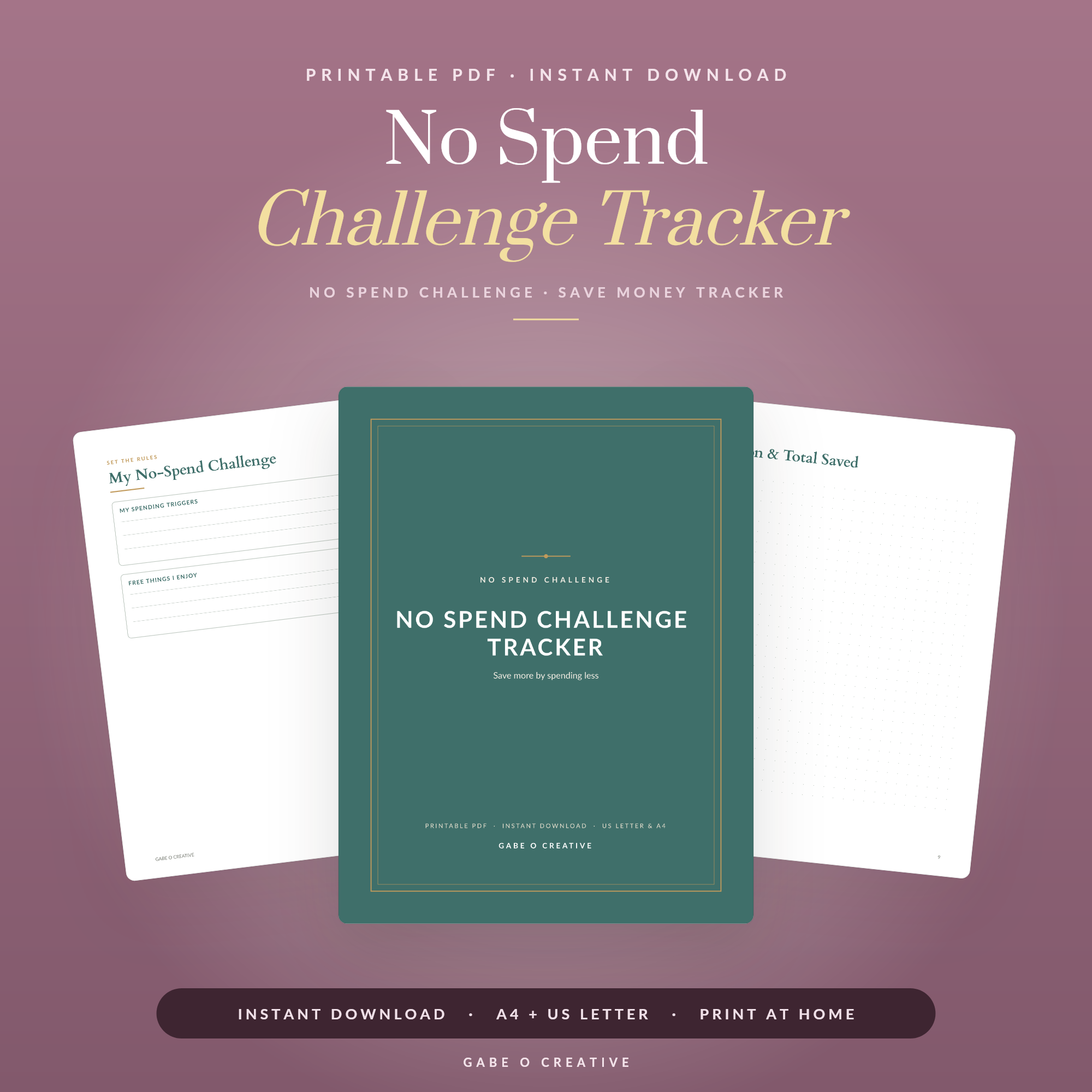
A no spend challenge printable turns the vague wish to 'stop wasting money' into a clear, visible game you can actually win. You set your own rules, colour in every day you skip an unnecessary purchase, and watch the money you keep add up in front of you. That little hit of progress is exactly what makes a spending reset stick when willpower alone wears thin. If your spending has crept onto autopilot, the right no spend challenge tracker is the simplest way to take back control.
Ready to start your reset today? Our no spend challenge tracker lets you set your rules, colour in each no-spend day and tally your savings—print it and begin in minutes.
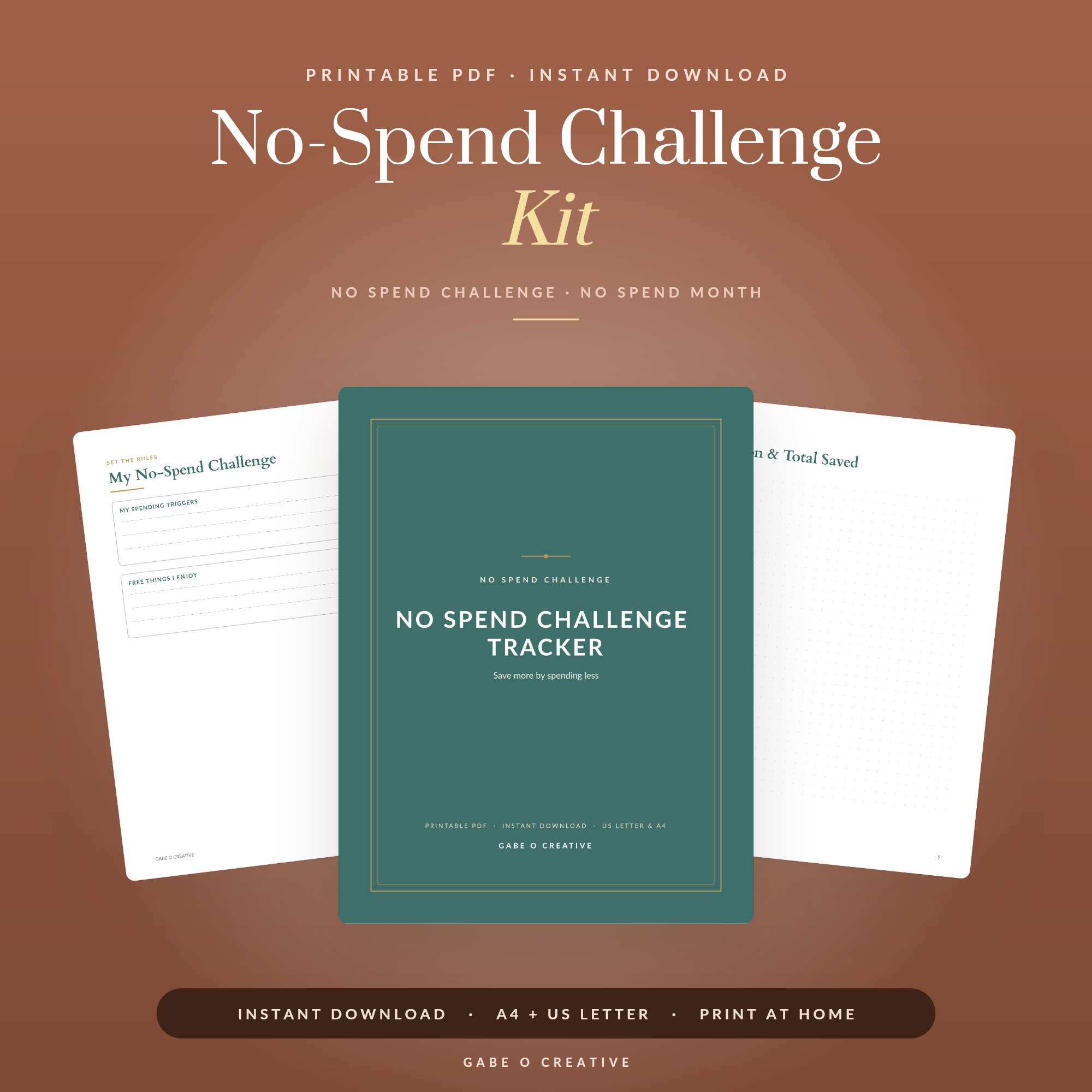 Shop No-Spend Challenge Kit →
What Is a No Spend Challenge Printable?
A no spend challenge printable is a worksheet (or small kit of pages) that helps you run a spending freeze for a set period—usually a month. You decide what counts as essential, what counts as a treat, and then commit to spending nothing on the extras for the duration. The printable gives that commitment a home: a calendar to colour, a tracker to fill and a plan for the money you save.
Unlike a banking app that simply shows a falling balance, a printable challenge lives on your fridge or desk as a daily nudge. A good one helps you:
- Set clear rules so you never have to wonder if a purchase is allowed.
- See your streak grow as you colour in each no-spend day.
- Log the temptations you beat, so resisting feels like a win twice.
- Track real savings with a running total that keeps you going.
Because it's physical and visible, a printable keeps your goal front of mind in a way a buried app never will. Every time you walk past it, you're reminded why that impulse buy can wait.
Why a spending freeze works
Most overspending isn't dramatic—it's small, habitual and barely noticed. A coffee here, an app subscription there, a 'treat' to get through a hard day. A no spend month interrupts the habit loop long enough for you to see how much of your spending was just routine. By the end, you'll have receipts for exactly which purchases you actually missed and which you never thought about again.
There's a useful psychological shift, too. When 'no' is the default for a month, every potential purchase has to justify itself rather than slipping through automatically. You start noticing how often you reach for your card out of boredom, stress or habit rather than genuine need. That awareness is the real prize—long after the challenge ends, you'll pause before buying in a way you simply didn't before.
How to Run a 30-Day No Spend Challenge
Getting started takes one short sitting:
- Choose your window. A week is a gentle reset; 30 days builds a genuine habit. Pick a length that feels challenging but realistic.
- Write your rules. List your essentials (rent, bills, groceries, travel) and your no-go extras (takeaways, impulse buys, new clothes).
- Plan free alternatives. Line up no-cost things to do so boredom doesn't tempt you back into shopping.
- Colour as you go. Shade in every successful no-spend day for an instant sense of progress.
- Bank the savings. Move the money you'd usually spend somewhere it matters, before it drifts away.
A quick example: say you usually spend roughly £15 a day on extras—lunches out, a coffee, the odd online order. Hold a 30-day no spend challenge and that's around £450 you simply don't spend. Send it to a debt payment or an emergency fund and the challenge pays for itself many times over.
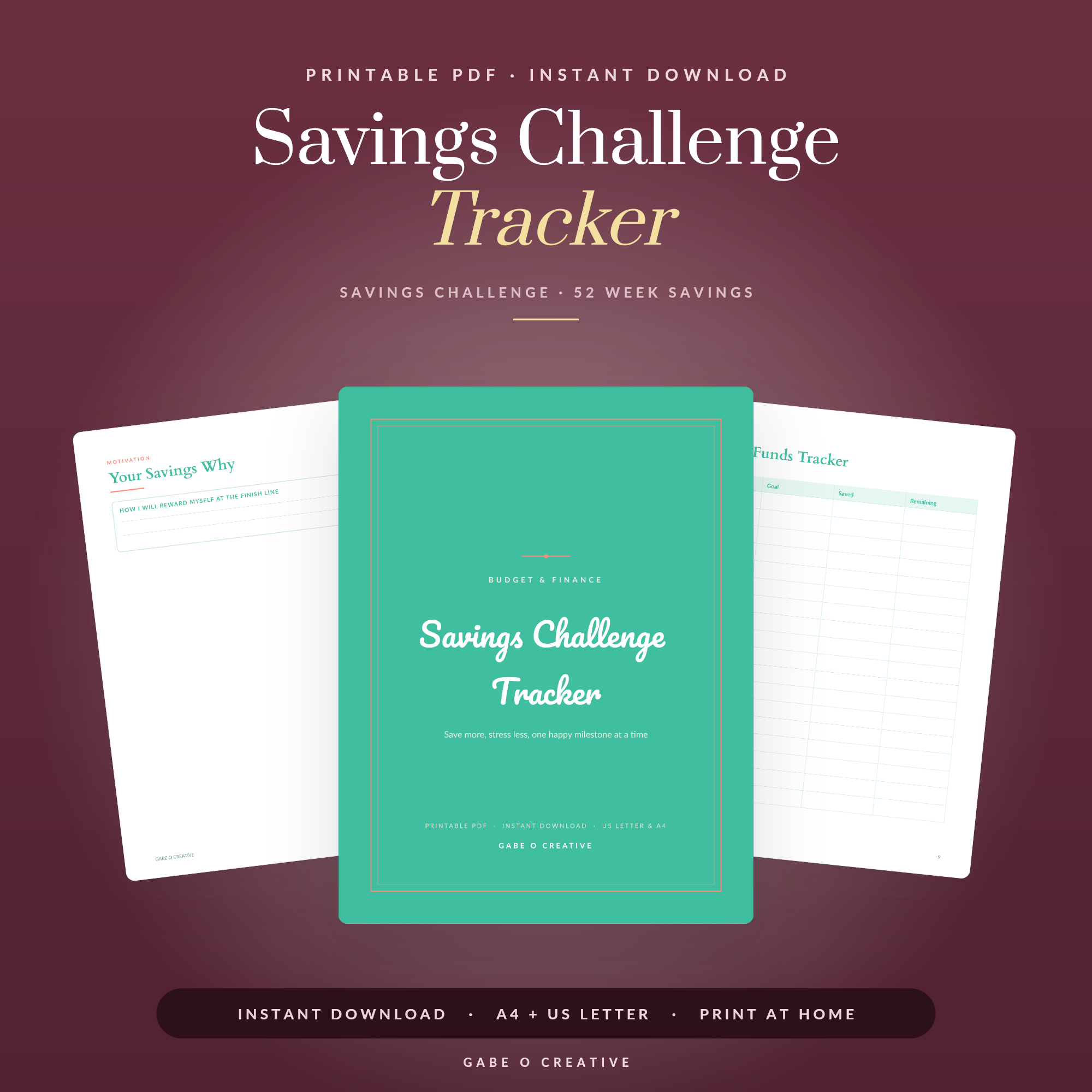 Shop Savings Challenge Tracker →
What to Spend On (and What to Skip)
The golden rule: never put your essentials at risk. A no spend challenge targets the discretionary spending that creeps up unnoticed, not the bills that keep your life running. Drawing the line clearly before you start is what stops the whole thing collapsing on day three.
| Usually allowed | Usually paused |
|---|---|
| Rent, mortgage and bills | Takeaways and coffees out |
| Groceries and essentials | Impulse buys and 'treats' |
| Travel and fuel for work | New clothes and gadgets |
| Healthcare and medication | Non-essential subscriptions |
Your list is yours to set—what's essential for one household is a luxury for another. The point isn't to be harsh; it's to be honest. Write it down, agree it with anyone you live with, and you remove the daily negotiation that quietly drains your resolve.
It's worth planning for the obvious tripwires, too. Birthdays, social events and that midweek slump are when most no-spend challenges wobble. Decide in advance how you'll handle them: a homemade gift, suggesting a walk instead of a meal out, or a free activity ready for the evening you'd normally order a takeaway. The challenge isn't about white-knuckling through temptation—it's about removing as many decisions as you can so good choices become the easy ones.
The Best Ways to Stay Motivated
A spending freeze is a marathon, so motivation matters as much as discipline. These tactics keep savers on track:
- Colour your calendar after every no-spend day for a quick win.
- Keep a temptation log—note what you almost bought and what you did instead.
- Pair it with a savings goal using a savings challenge tracker so your money has somewhere exciting to go.
- Switch to cash for any essential spending with the cash envelope budget to make every pound feel real.
- Make it visible—stick the tracker somewhere you'll see it daily.
Build a Money System That Lasts
A no spend challenge is a brilliant reset, but lasting change comes from a budget with a little breathing room. Pair your tracker with the monthly budget planner to see exactly where your money goes each month, or grab the complete no-spend challenge kit for a full 31-day calendar, temptation log and reflection pages. Want everything in one place? The budget and finance bundle packs the trackers, budgets and more together at the best value.
For the bigger picture, see our guide to the best budget planner printables, try a savings challenge printable to keep the momentum after your no-spend month, and if impulse buying is the real culprit, the cash envelope system is a powerful companion.
And when the 30 days are up? Don't let your savings evaporate the moment the rules lift. Keep one or two no-spend days a week, and point the money you would have spent straight at your goals. The habit you built in a month is the same one that changes your finances for good.
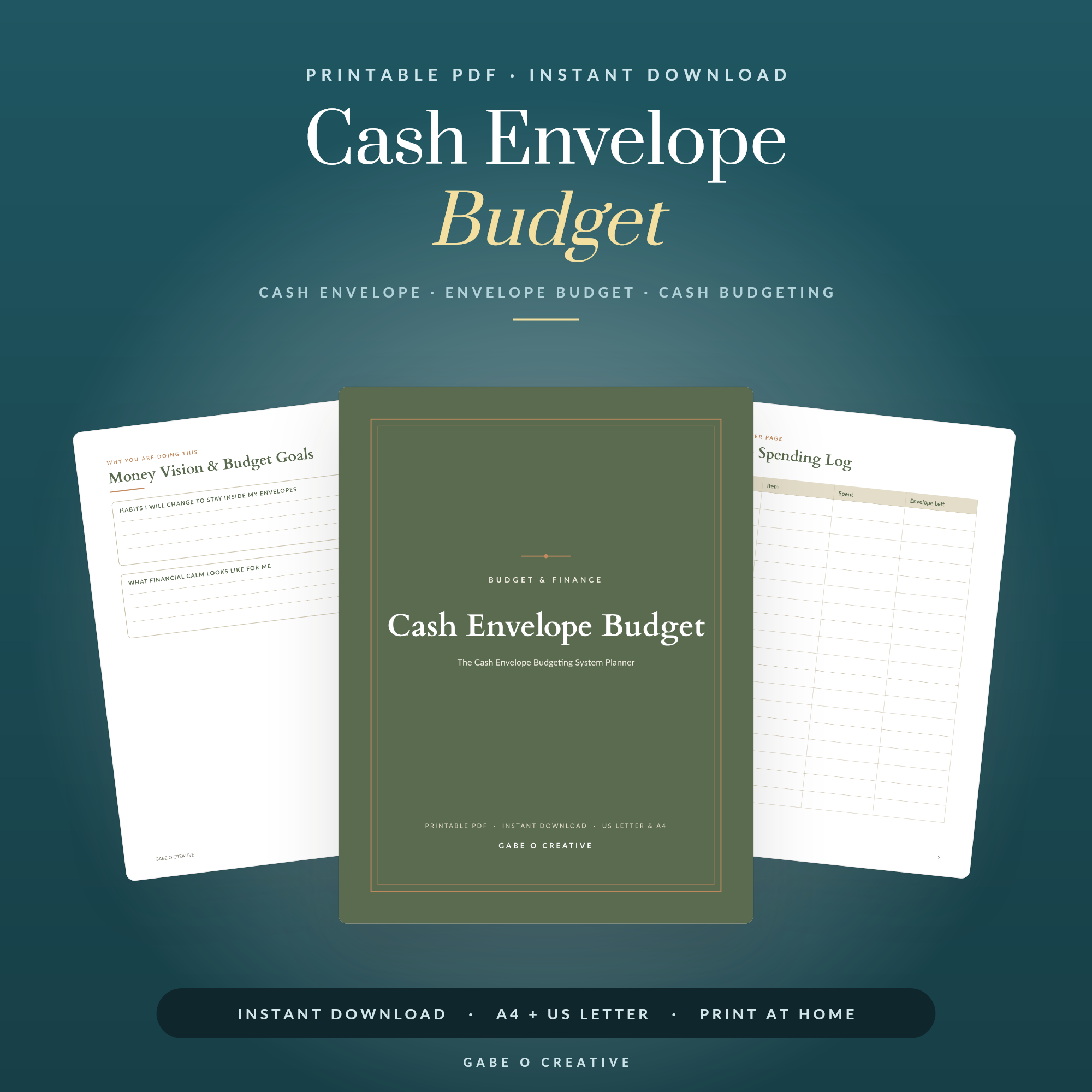 Shop Cash Envelope Budget →
No Spend Challenge FAQs
What is a no spend challenge printable?
It's a print-at-home tracker where you set your own no-spend rules, then colour in every day you avoid unnecessary spending. Most include a calendar, a money-saved tracker and a list of free things to do instead of shopping.
How long should a no spend challenge last?
Most people run a no spend month, but you can choose any length. A week is a gentle reset, 30 days builds a real habit, and some run a no buy or low buy year. Pick a window that feels challenging but doable.
What can you spend money on during a no spend challenge?
You always cover essentials like rent, bills, groceries and travel. The challenge targets the extras—takeaways, impulse buys, new clothes and subscriptions. Write your allowed and not-allowed list before you start so the rules are clear.
How do I stay motivated during a no spend month?
Colour in each no-spend day for an instant win, log the purchases you resisted, and watch your money-saved total climb. Keeping the tracker somewhere visible turns saving into a game you actually want to keep playing.
What should I do with the money I save?
Decide before you start so the savings don't quietly drift back into spending. Send it straight to an emergency fund, a debt payment or a specific goal like a holiday, and watch the challenge pay off twice.
Can I do a no spend challenge with my partner or family?
Absolutely, and it's often easier together. Print a copy each, agree on shared rules, and compare progress at the end of each week. A little friendly competition keeps everyone honest and makes the whole thing more fun.
Ready to reset your spending? Grab the no spend challenge tracker and set your rules today, or explore the full Budget & Finance collection for everything you need to take control. Every no-spend day gets you closer.