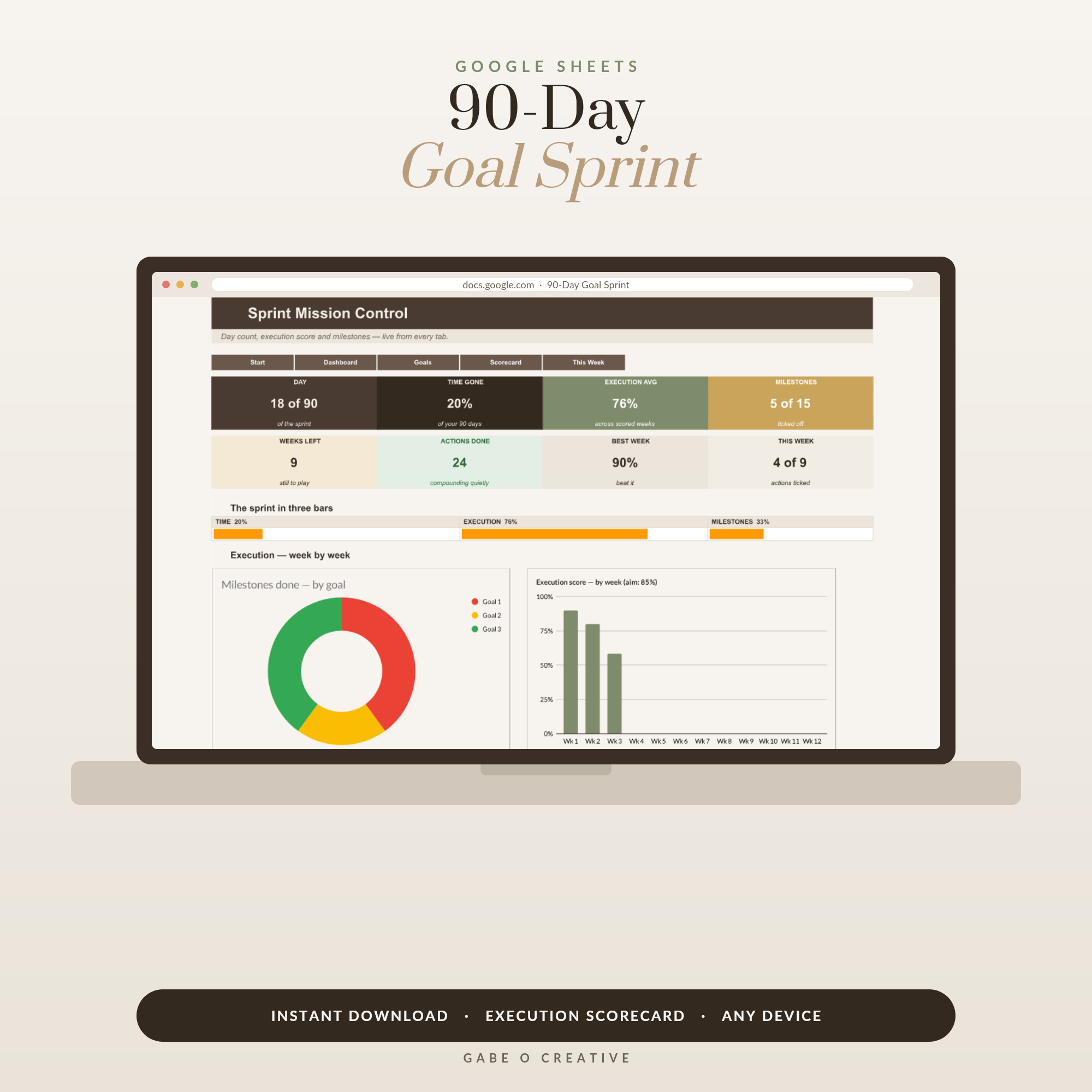
By the second week of February, gyms empty out, language apps go quiet, and most New Year's resolutions are already memories. It's rarely a willpower problem — it's a container problem. A year is simply the wrong shape for a goal. 90-day goals fix the shape: long enough for genuine change, short enough that this week actually matters. It's the idea behind our 90-Day Goal Sprint dashboard, and once you've run one sprint you'll never set a January resolution again.
Ready to run one? The 90-Day Goal Sprint gives you the goal-setting frame, weekly check-ins and progress charts on one dashboard — start any day you like.
Why the year is the wrong container
Three things quietly kill annual resolutions. Distance: when the deadline is 300+ days away, skipping today costs nothing — and 'nothing' compounds. Vagueness: year-sized goals get stated year-vaguely ('get fit', 'sort my money'), and vague goals can't be failed on any given Tuesday, so they're never worked on any given Tuesday. No feedback: by the time December reveals the miss, there are no course corrections left to make.
Ninety days reverses all three. The deadline is close enough to feel; the timespan forces a finish line you can actually define; and you get four sprints a year, which means four chances to learn, adjust and stack wins. It's the same logic that powers the '12-week year' idea beloved of executives — urgency manufactured on purpose.
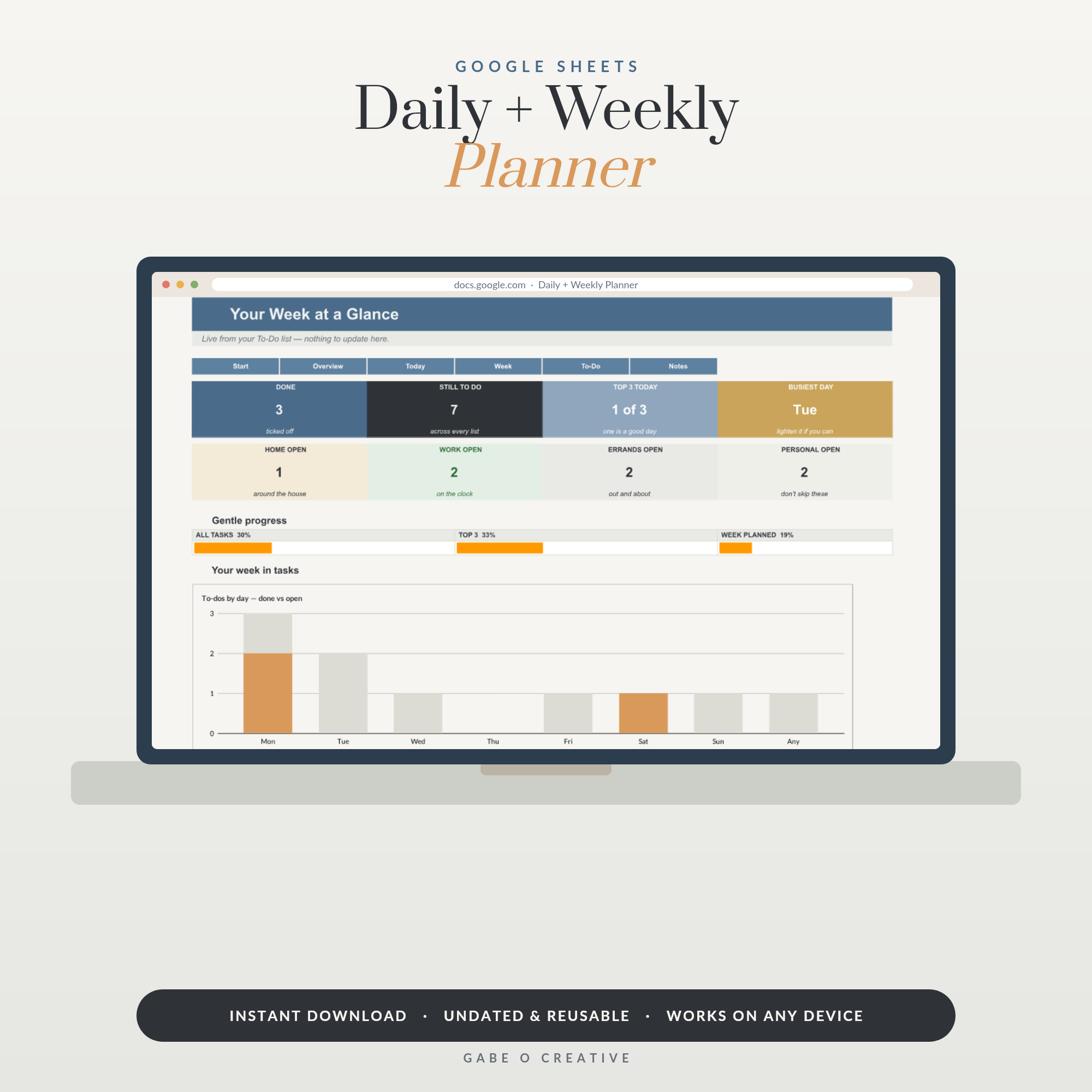 Shop Daily Planner Google Sheets, Weekly Planner Spreadsheet with Hourly Schedule, To Do List & Notes, Undated Digital Planner Template →
Designing a sprint that can actually be won
1. Pick one goal (two at most). The single biggest sprint-killer is a portfolio of five goals sharing one life's worth of energy. One goal with your full attention outruns five on rotation.
2. Give it a binary finish line. Day 90 should answer 'did it happen?' with a yes or no. 'Run a 5k without stopping.' 'Publish the shop.' 'Save £900.' '12 chapters drafted.' If reasonable people could argue about whether you achieved it, sharpen it.
3. Translate it into a weekly process. The outcome is the destination; the process is what you actually control. Three runs a week. Five writing hours. Two sales conversations. This is the number you'll track — outcomes follow process like wakes follow boats.
4. Pre-plan the obstacles. Two minutes of honesty: what killed this goal last time? Travel weeks, busy seasons, the week-six dip (more below). Decide now what the minimum viable week looks like — the smallest version that keeps the sprint alive.
The weekly check-in: ten minutes that carry the whole thing
A sprint without a weekly review is just a resolution with a shorter fuse. Every week, same day, ten minutes: score the process (did the three runs happen?), note the biggest obstacle, set next week's focus, and update the progress bar. That last part matters more than it sounds — watching a bar fill across thirteen weeks is startlingly motivating, which is why the Goal Sprint dashboard makes progress visible automatically, alongside the weekly check-in prompts. Pair the sprint with a daily planner so the process commitments claim real calendar space, and a habit tracker if your goal is repetition-shaped (here's how to make habits actually stick).
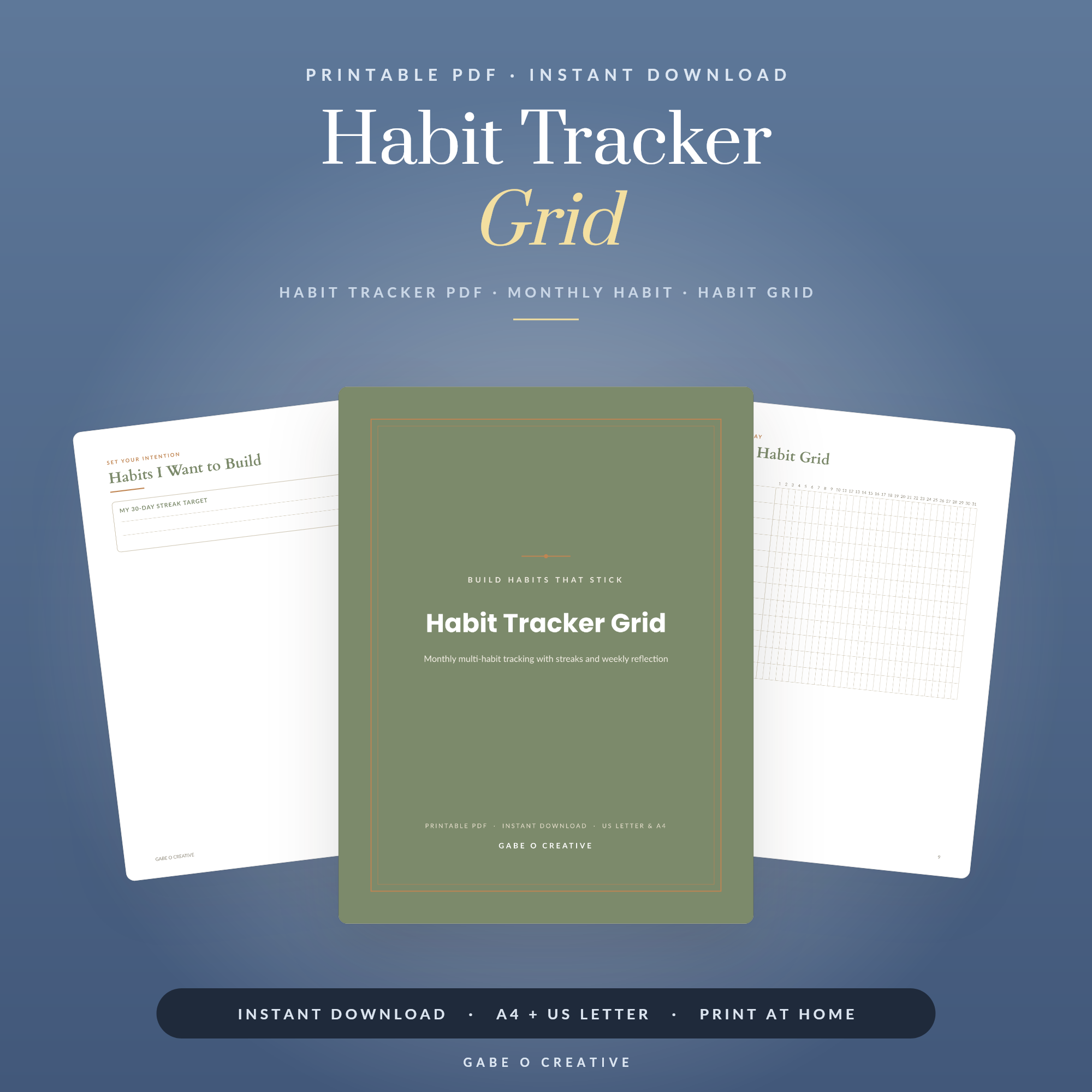 Shop Habit Tracker Grid →
Surviving week six
Every sprint has the same shape: fortnight one runs on novelty, the final fortnight runs on deadline adrenaline — and the middle sags. Week six is where sprints go to die, because novelty is gone and the finish line is still an abstraction. Expect it, and it loses most of its power. The playbook: shrink, don't stop (drop to the minimum viable week you pre-planned rather than skipping), re-read your day-one why (the sprint dashboard keeps it on the front page for exactly this moment), and never miss the check-in even in a terrible week — an honest 'this week was a 2/10' keeps the system alive, and systems that survive bad weeks are the ones that finish. If your brain treats rigid plans as invitations to rebel, the forgiveness-first approach in our ADHD-friendly planner pairs beautifully with sprint thinking.
Make the sprint public (or at least witnessed)
One more multiplier: tell someone. Not the internet — one person. A friend running their own sprint, a partner who'll ask 'how's the running going?' on Sunday evenings, a colleague chasing a similar goal. Research on commitment consistently shows that goals with a witness get finished at dramatically higher rates, not because of pressure but because saying it out loud makes it real. If you'd rather keep it private, the dashboard itself can be the witness — a progress bar you have to look at is a quieter form of accountability, and honestly logging a bad week to a spreadsheet stings just enough to prevent a second one. Either way, the sprint should exist somewhere outside your head.
Day 91: the part everyone skips
Sprints compound only if you close the loop. Take a real week off goals — recovery is part of the system, not a lapse. Then run a twenty-minute review: What worked? What was harder than expected? What did I learn about how I actually operate? Feed the answers into sprint two's design. Four sprints and three reflection weeks turn a year into a staircase instead of a hopeful leap — and by next January you'll be starting sprint five, not resolution one. This is also the rhythm at the heart of a mid-year reset: any week of the year is a legitimate starting line. If you want the sprint to live inside a bigger picture — goals next to habits, money and weekly reviews — that's exactly what the members-only Life OS dashboard was built for.
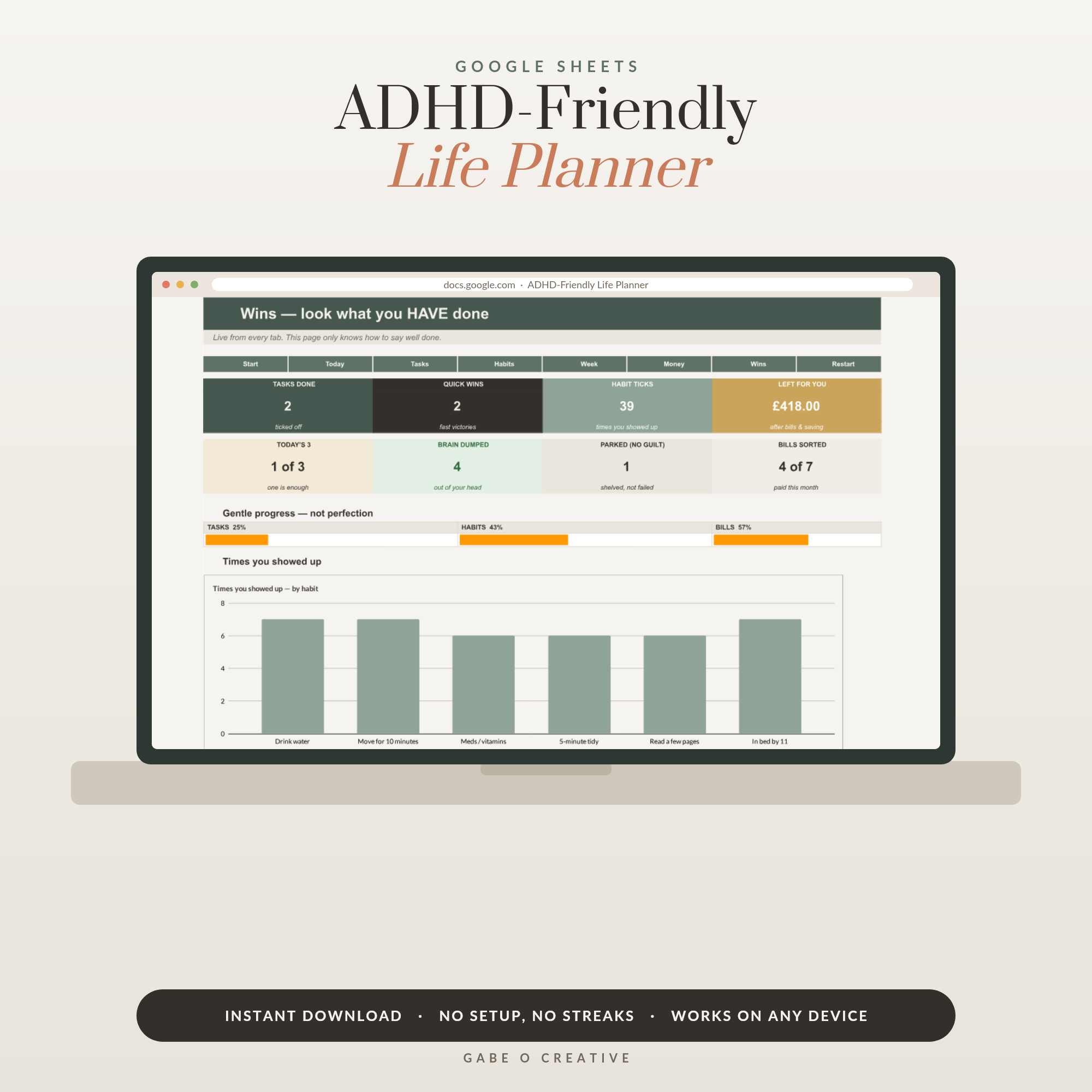 Shop ADHD Life Planner Google Sheets, ADHD-Friendly Daily Planner Spreadsheet, Brain Dump, Task & Habit Tracker, Undated Adult ADHD Organizer →
Frequently asked questions
Why do 90-day goals work better than yearly resolutions?
A year invites postponing — there's always 'later'. Ninety days is short enough that week one matters and long enough for genuine transformation: a fitness base, a book draft, a business launched. Urgency plus sufficiency is the sweet spot resolutions never find.
How many goals should I set for 90 days?
One to three, and honestly, one is the power move. A single goal gets your best energy instead of a third of it. If you set three, make them different life areas (health, money, project) so they don't compete for the same hours.
What makes a good 90-day goal?
Finish-line clarity: you should be able to say on day 90, without debate, whether it happened. 'Get fitter' fails that test; 'run 5k without stopping' passes. Pair the outcome with a weekly process commitment — the runs, the writing sessions, the sales calls.
When should I start a 90-day sprint?
Any day you like — that's half the beauty. No waiting for January or Monday. Today plus ninety days is a real deadline whatever the calendar says. Many people run four sprints a year with a reflection week between them.
What if I fall behind in the middle?
The mid-sprint dip is normal — week six is famously where sprints wobble. Don't restart; recalibrate. Shrink the weekly commitment to something you can actually hit, log the week honestly, and keep the streak of showing up alive. A scaled-down sprint that finishes beats a perfect one abandoned.
What happens after the 90 days?
Take a deliberate week off goals: reflect on what worked, celebrate properly, then design the next sprint. Four sprints with breathing space between them compound into a year of visible change — which is exactly what resolutions promise and rarely deliver.
Don't wait for January: open the 90-Day Goal Sprint, pick one goal with a real finish line, and let today be day one of ninety.