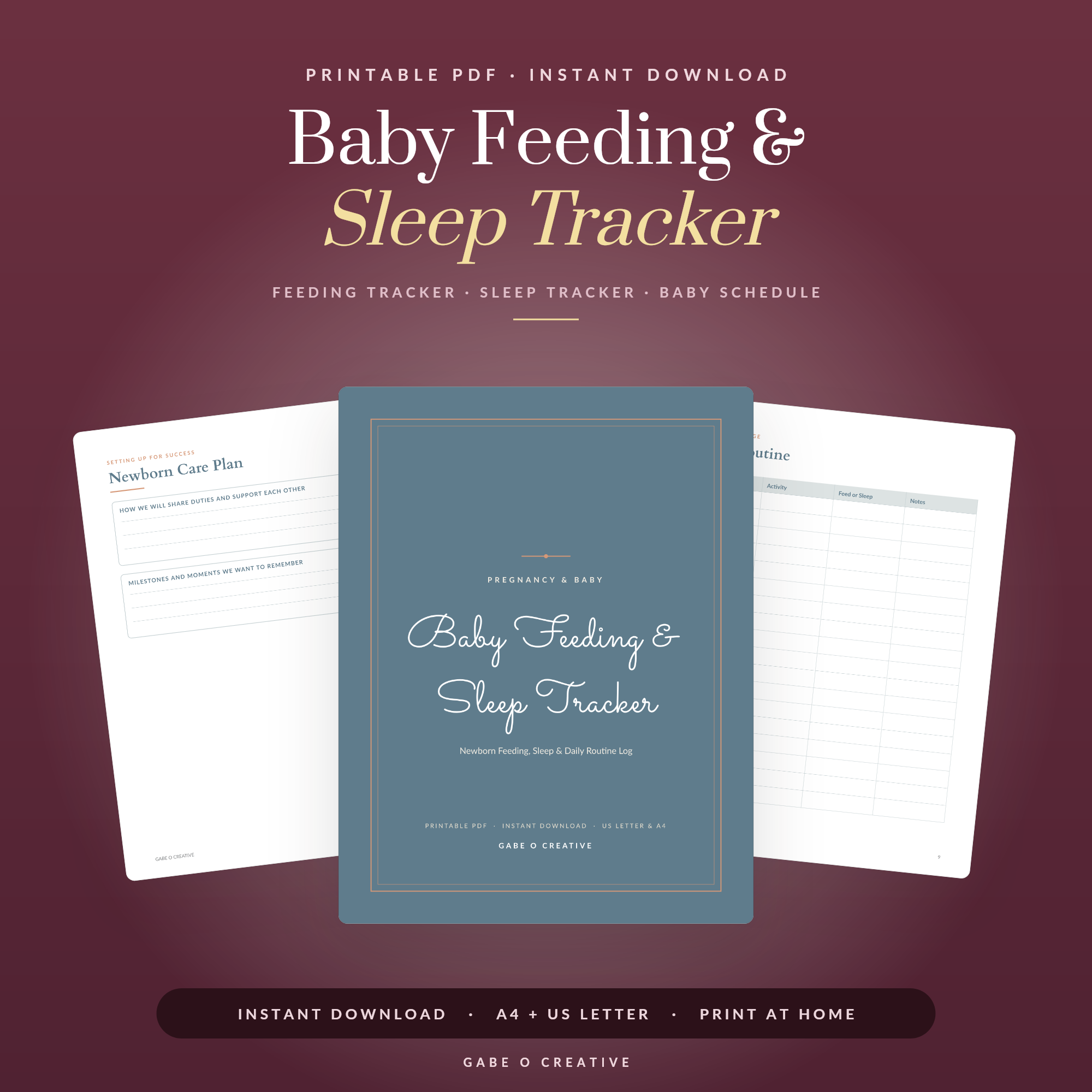
A newborn feeding tracker solves one of the strangest surprises of early parenthood: in the sleepless fog of the first weeks, you genuinely cannot remember which side you last fed from, when the last nappy was, or how long that nap actually lasted. It's not you failing — it's normal, and it's exactly why writing it down helps so much. A simple log takes the information off your exhausted brain and puts it somewhere you can trust, so you can spot patterns, answer the midwife's questions, and stop second-guessing. Our Baby Feeding & Sleep Tracker gives you a gentle, one-page format you can fill in with one hand and a pen.
Print it, keep it by the feeding chair, and let the tracker remember so you don't have to.
Why track feeds and sleep at all
Tracking isn't about being rigid or 'scheduling' a newborn — it's about lightening the mental load and gathering a little reassurance. When you can see the feeds and nappies of the last 24 hours at a glance, three good things happen: you worry less because the evidence is in front of you; you spot a natural rhythm emerging without forcing one; and you can answer a midwife or health visitor precisely instead of guessing. In weeks where everything blurs, that small sense of clarity is genuinely calming.
 Shop Baby Daily Log →
What to log (and what to skip)
Keep it simple — an overwhelmed brain needs less, not more. The essentials are feeds (time, breast or bottle, which side or how many millilitres), nappies (wet and dirty), and sleep (roughly when and how long). Many parents also jot mood, any medicine, and tummy time, but don't feel you must. In the early days, feeds and nappies are the two that matter most, because together they reassure everyone that your baby is feeding well. Everything else is a bonus you can add only if it helps.
Feeding: what's normal and how a tracker helps
Newborns commonly feed 8–12 times in 24 hours, roughly every two to three hours around the clock — but every baby is different, and cluster feeding in the evenings is normal too. Rather than trying to hit a number, use the tracker to see your baby's real pattern. Logging which side you started on solves the classic 'which one now?' puzzle, and noting bottle amounts helps if you're combination or formula feeding. This is a general guide only — always follow the advice of your midwife, health visitor or GP, and speak to them if you have any concerns about feeding.
Nappies and sleep: the reassurance metrics
Wet and dirty nappies are one of the simplest signs that feeding is going well, and output builds over the first week. Ticking each nappy on a tracker means you always know the day's count without straining to remember — useful information your midwife will often ask for. Sleep, meanwhile, is wonderfully unpredictable in newborns, so track it loosely: rough start and end times are plenty. Over a couple of weeks you'll start to see longer stretches and the faint outline of a rhythm, which is both encouraging and helpful for planning your own rest.
A gentle word on comparison: it's tempting to look at another baby's neat pattern and worry, but your tracker is for your baby, not for measuring against anyone else's. Some newborns feed little and often, some cluster for hours then sleep, and both can be perfectly healthy. Use the log to notice your own baby's normal, so that if something genuinely changes — far fewer feeds or nappies, or you're simply concerned — you have clear information to share with your midwife or GP quickly. That's the real value: not a scorecard, but a calm, factual record that helps you and your health team look after your baby together.
 Shop New Baby Checklist →
Make it work at 3am
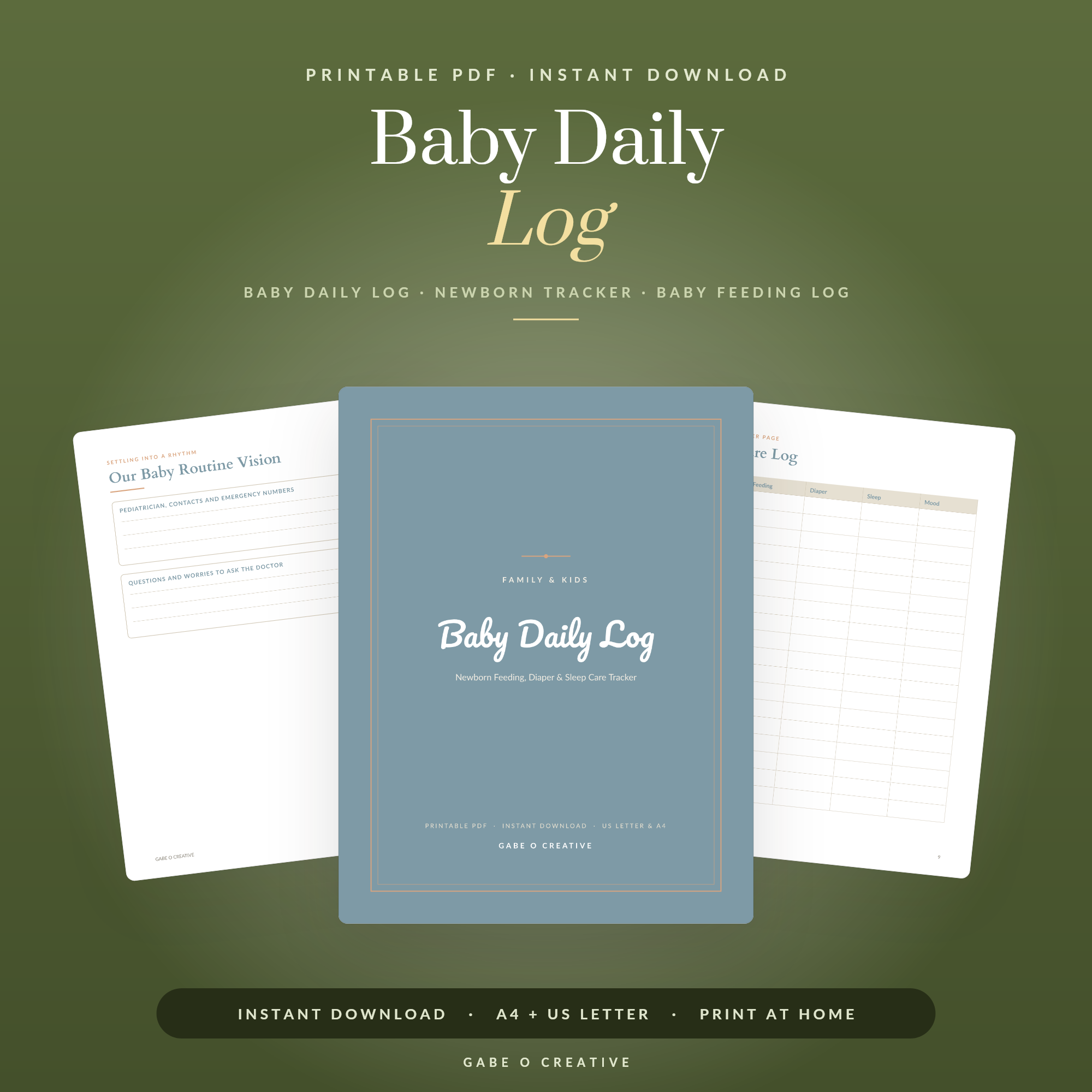
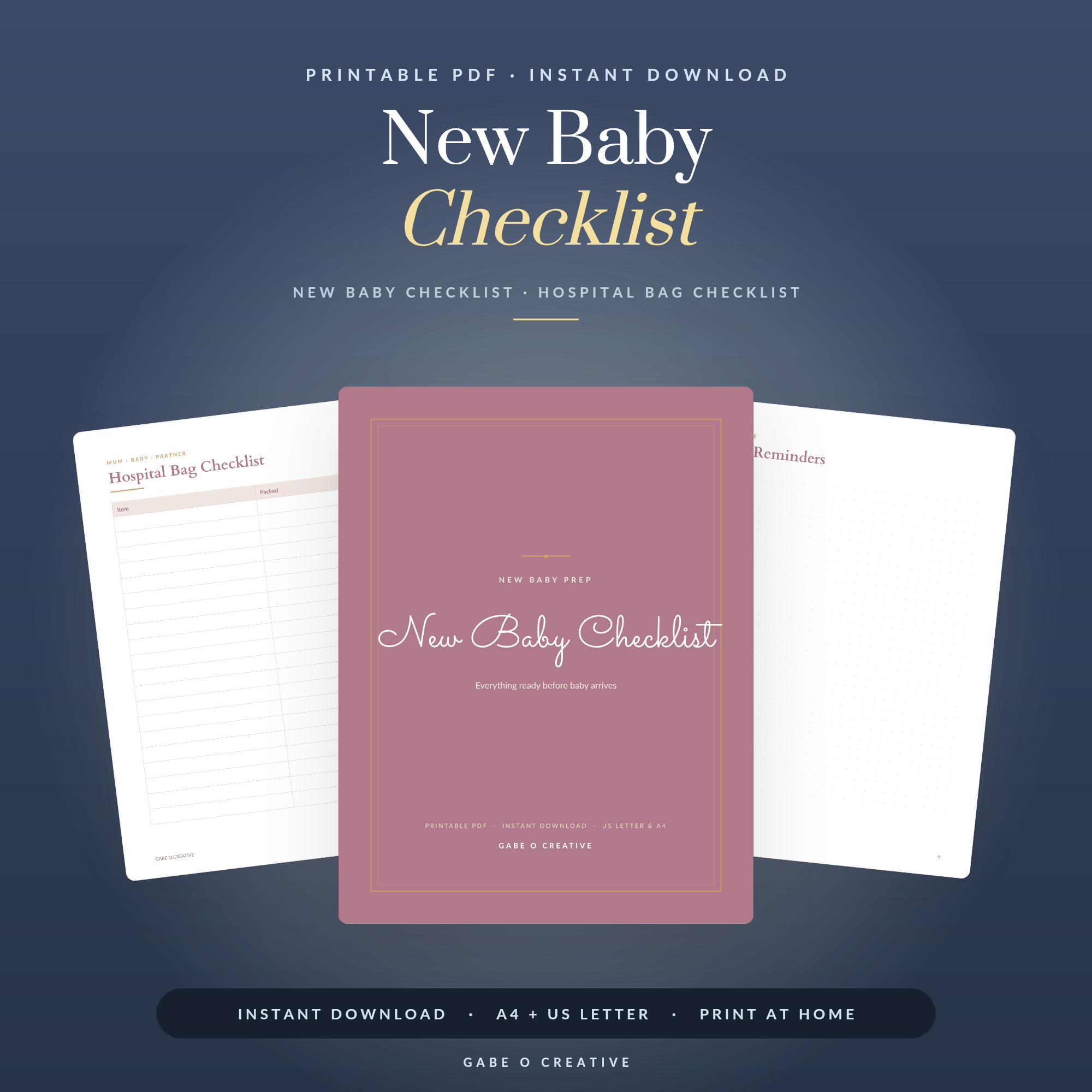
The best tracker is the one you'll actually use when you're shattered. Keep it — and a pen that works — right by the bed or feeding chair, not across the room. A printable you can tick one-handed beats an app you have to unlock and tap through in the dark. Print a week at a time onto a clipboard, and if you're sharing night feeds, a paper log means whoever's on duty can see instantly what's already happened. Pair it with a baby daily log for a fuller picture, or a new baby checklist if you're still getting set up.
| Track | Log | Why it helps |
|---|---|---|
| Feeds | Time, side or millilitres | Answers 'which side?' and reassures on intake |
| Nappies | Wet / dirty count | Simple sign feeding is going well |
| Sleep | Rough start and end | Reveals a rhythm and helps you rest |
| Notes | Mood, medicine, tummy time | Optional context for the health visitor |
Beyond the newborn weeks
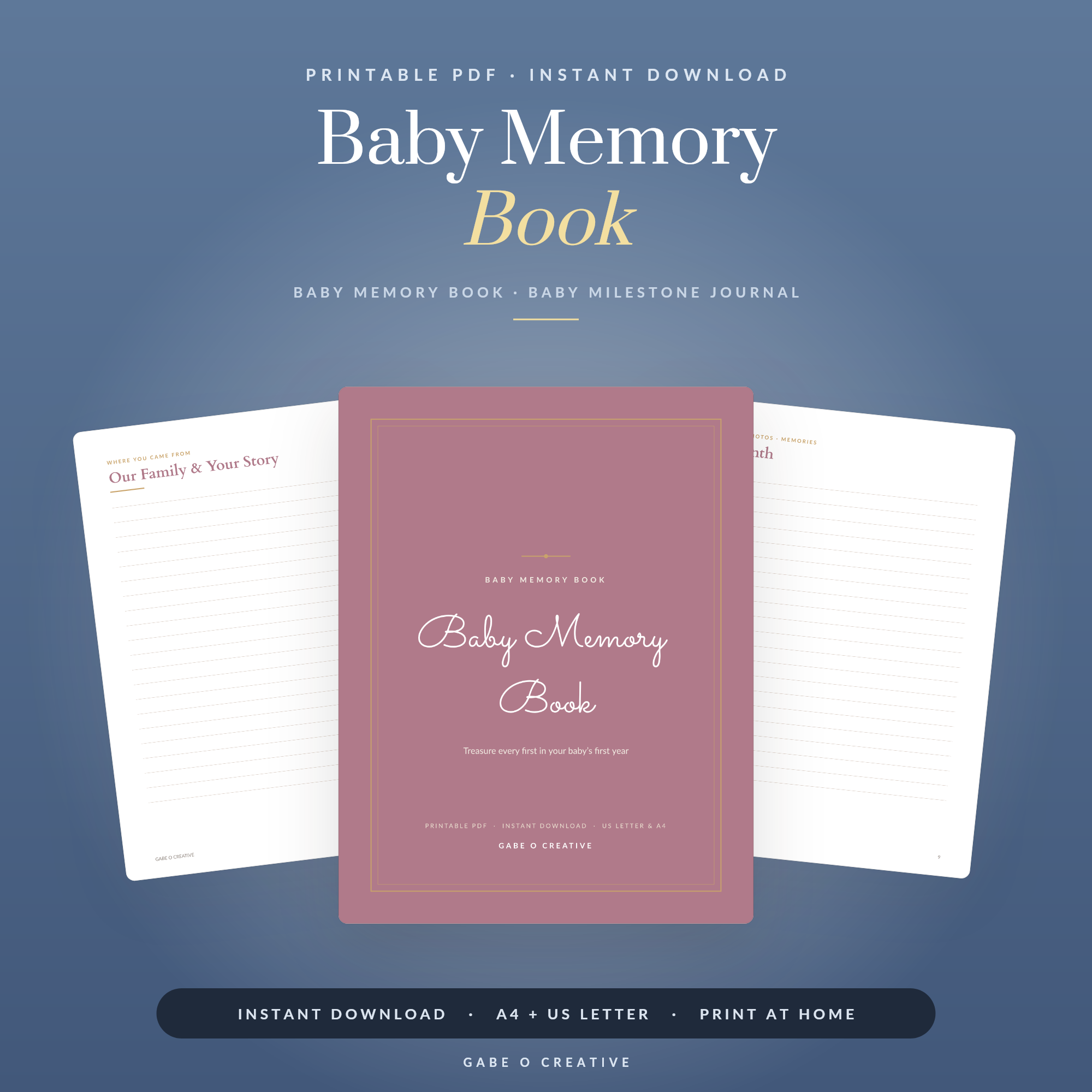
Most parents ease off the detailed tracking once feeding is established and a rhythm appears — often somewhere between six and twelve weeks — though many keep a lighter daily log for naps and milestones long after. A tracker also becomes a quiet keepsake: those scribbled first weeks are a record of an intense, fleeting time you'll be oddly glad to have. When you're ready to capture the sweeter memories, a baby memory book takes over, and if you're planning the practical side of the first year, our New Baby Budget and guide to budgeting for a new baby help you feel in control. For more early-days organisation, see our baby and family planner printables.
Find everything for the first year in our Family & Baby collection — trackers, logs, checklists and memory books, all instant downloads.
Frequently asked questions
What is a newborn feeding tracker?
It's a simple log — printable or on your phone — where you record each feed (time, side or amount), nappies, and sleep. In the newborn weeks it takes the mental load off remembering, helps you spot patterns, and gives clear answers when a midwife or health visitor asks how feeding is going.
What should I track for a newborn?
The essentials are feeds (time, breast or bottle, side or millilitres), wet and dirty nappies, and sleep. Many parents also note mood, medicine and tummy time. In the early days, feeds and nappies matter most because they reassure everyone that baby is getting enough.
How often should a newborn feed?
Newborns typically feed 8–12 times in 24 hours, roughly every two to three hours including overnight — though every baby is different. A tracker shows the real pattern rather than a guess. Always follow your health professional's guidance.
How many wet nappies should a newborn have?
Output increases over the first week; by around day five, many babies have six or more wet nappies a day. Logging nappies alongside feeds is one of the simplest ways to reassure yourself baby is feeding well.
Do I need to track feeds at night?
It helps, because nights are when memory fails most. A tracker you can fill in one-handed with a pen means you're not trying to recall at 3am whether the last feed was 40 minutes or two hours ago. Keep it by the bed or feeding chair.
When can I stop using a feeding tracker?
Most parents ease off once feeding is established and a rhythm emerges — often between six and twelve weeks. Some keep a lighter daily log for naps and milestones beyond that. Use it for as long as it lightens the load.
 Shop Baby Memory Book →
Ready to take the guesswork out of the newborn days? Download the Baby Feeding & Sleep Tracker, print a week tonight, and let it carry what your tired brain can't.