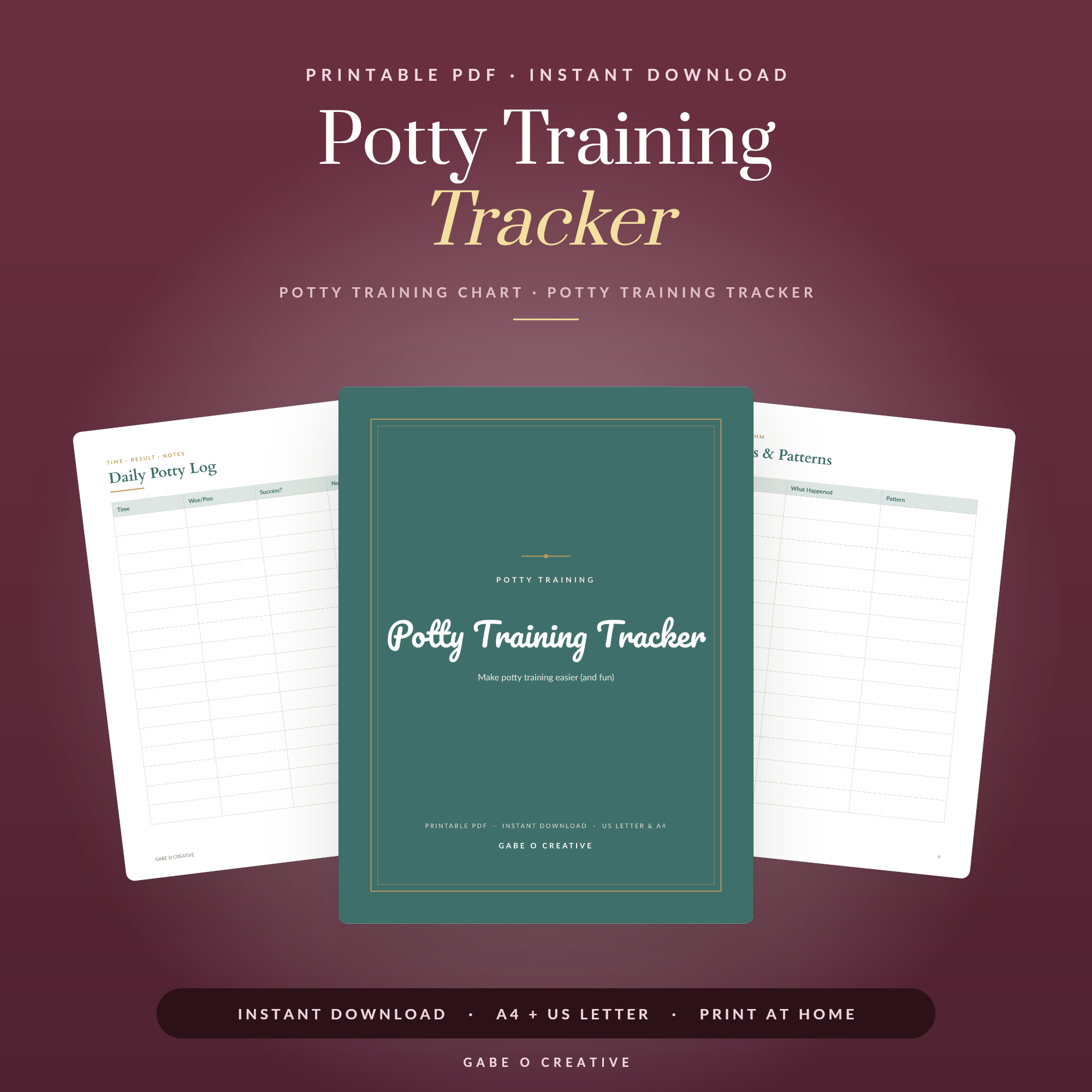
A potty training tracker exists for one reason: potty training almost never feels like it's working while it's working. Day one goes surprisingly well, day two is fine, and day three is a disaster that makes you wonder whether you started too early. Written down, that same week usually shows accidents falling and successes rising — you just couldn't see it through the laundry. Recording it takes seconds a time and it's the single best defence against giving up two days before it clicks. Our printable potty training tracker gives you a fortnight to a page.
Starting this week? Print the potty training progress chart, stick it on the fridge, and log the first day before you decide how it's going.
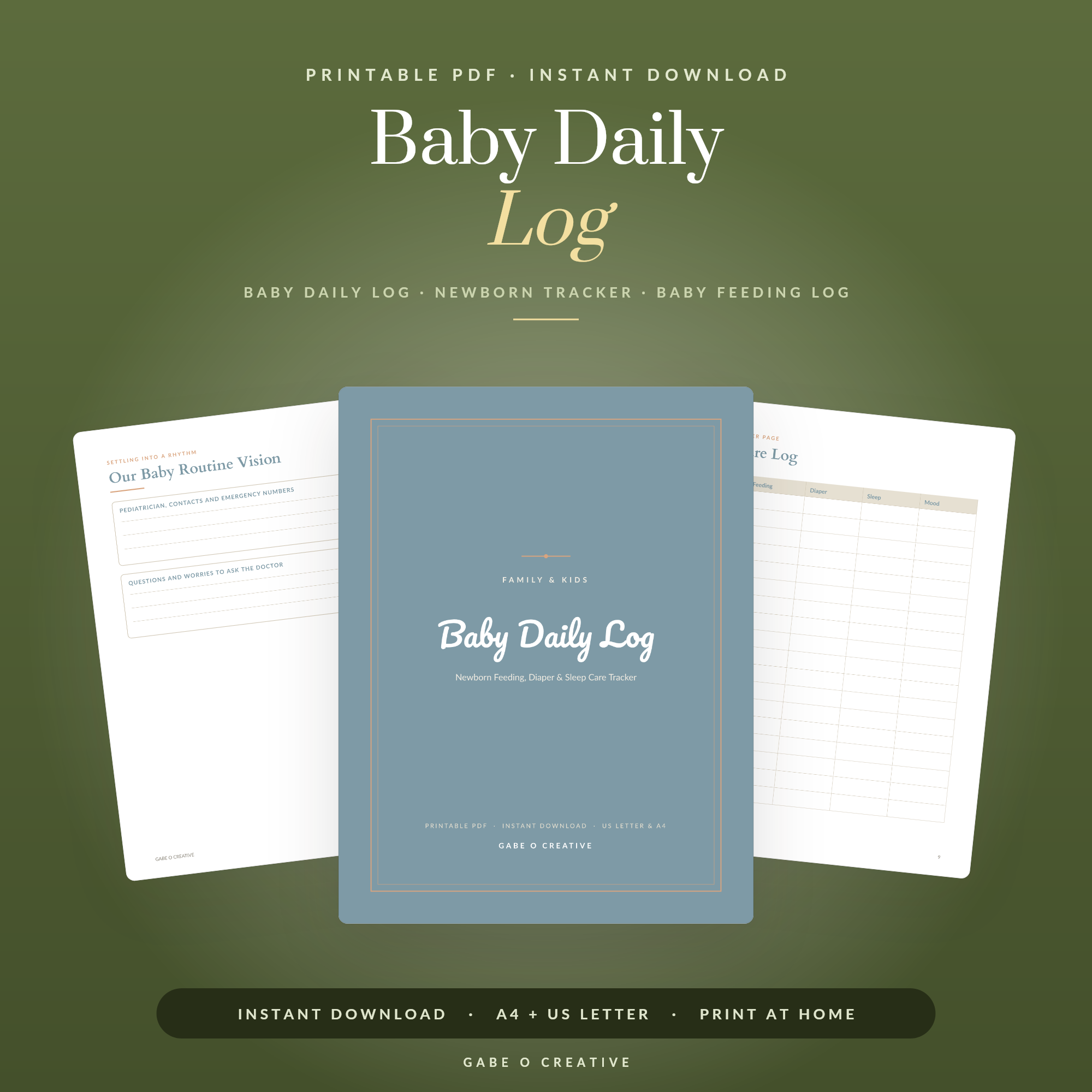 Shop Baby Daily Log →
Readiness Matters More Than Age
Almost every miserable potty training story starts with a start date chosen by a calendar — a birthday, a nursery deadline, a comparison with someone else's child. Children train quickly when they're ready and slowly when they aren't, and the difference between the two is usually weeks of waiting rather than weeks of effort.
Look for several of these together:
- Staying dry for an hour or two at a stretch, or waking dry from a nap.
- Telling you they've gone — even after the fact, it means they've noticed.
- Disliking a wet or dirty nappy and asking to be changed.
- Wanting to copy older siblings or adults.
- Being able to follow simple instructions and to pull clothes up and down.
- Predictable timings you can already spot in the day.
One sign on its own isn't much. Four or five together, and the whole thing tends to take days rather than months. If you're still tracking naps and feeds, the same habit of writing things down is what surfaces those patterns — our feeding and sleep tracking guide covers the earlier version of exactly this.
What to Actually Record
Resist the urge to build something elaborate. Three columns tell you everything useful:
| Column | Why it matters |
|---|---|
| Time | Reveals their natural rhythm, so you can prompt just before rather than just after |
| Outcome (success / accident / near miss) | The trend line — count per day, not per hour |
| Asked or prompted | The real progress marker: independence, not dryness |
That third column is the one most charts leave out and the one that matters most. A child who has ten dry days because you prompted them every forty minutes hasn't learned to potty train — you have. The moment the "asked" column starts filling in, you're nearly done, even if the accident count hasn't moved much yet.
Two weeks is the right window
Judge nothing on a single day. Look at the chart every Sunday and compare the week to the one before it. Almost every family who thinks it's going badly is comparing this afternoon to this morning.
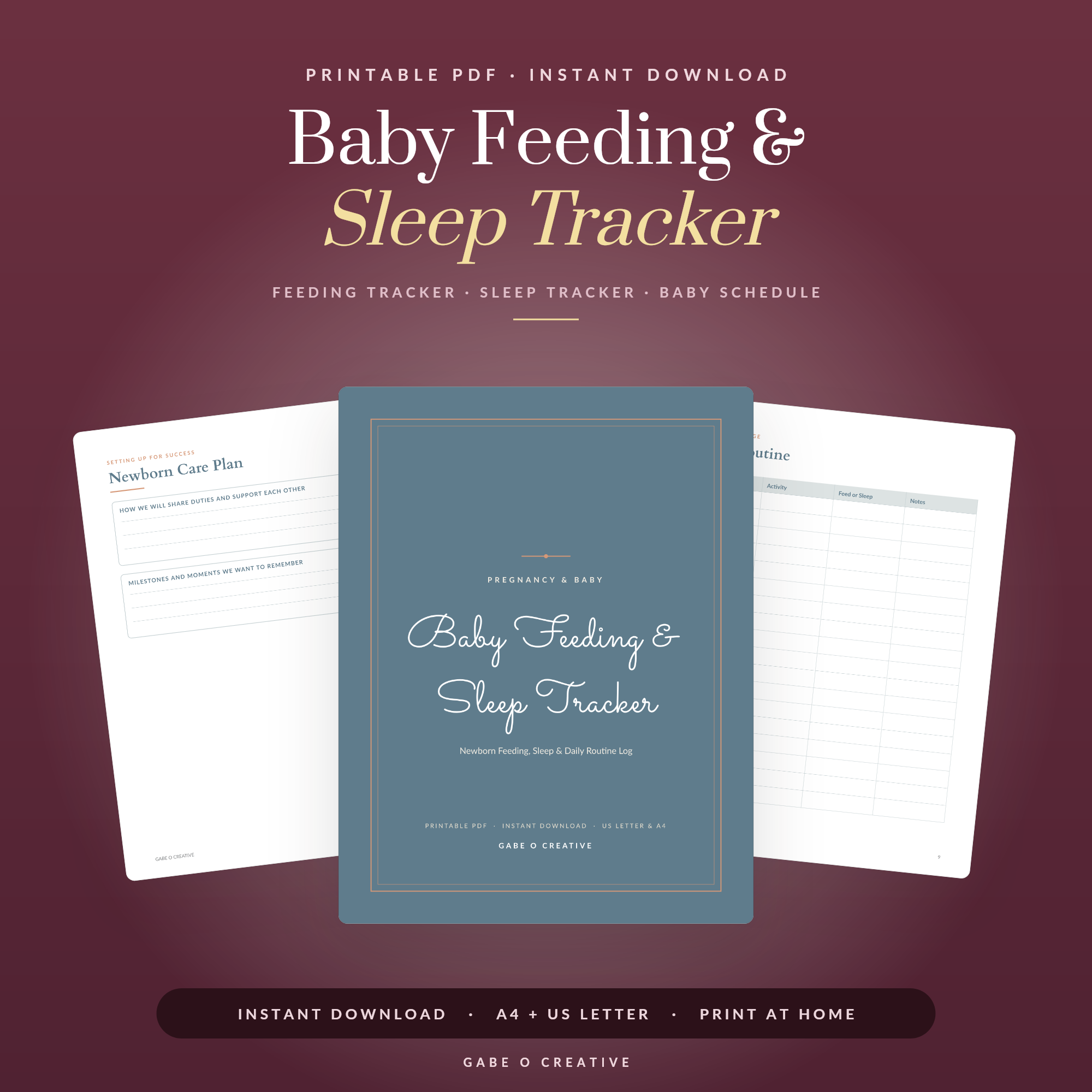 Shop Baby Feeding & Sleep Tracker →
A Calm First Week
- Clear the diary. Two or three days at home makes everything easier. Don't start the week you're moving house or starting a new job.
- Let them choose the pants. Ownership does a surprising amount of work at this age.
- Offer, don't interrogate. "Let's try the potty" beats "do you need a wee?", which gets a reflexive no.
- Use the timings you've recorded. After waking, after meals, before leaving the house.
- Keep the reaction small. A warm "you did it" is plenty; a huge celebration can make the next miss feel enormous.
- Log it and move on. Chart, tick, back to playing.
Dress for it, too. Elasticated waists and nothing complicated — a child who can't get their own trousers down in time will have accidents that have nothing to do with readiness.
Accidents, Regressions and the Wobbles
Accidents aren't failures; they're data. The script that works is short and neutral: clean up without commentary, say "pee goes in the potty", and carry on. Big reactions in either direction give the accident a payoff.
Regressions after a good run are almost always circumstantial — a new sibling, starting nursery, a house move, an illness. Your chart is genuinely useful here, because it dates the change and usually sits right next to whatever caused it. Hold the routine steady, drop any pressure, and it typically settles within a week or two. If a regression comes with pain, blood, straining or a fever, that's a GP conversation rather than a training one.
Night training is a separate job
Staying dry overnight depends on hormone and bladder development, not on effort or motivation. It commonly arrives months after daytime training and sometimes years later, and no amount of chart work speeds it up. Wait for consistently dry morning nappies, then try — and put a waterproof mattress protector on first.
Keeping the Record After the Training
Once it clicks, the tracker stops being a training tool and becomes part of the ordinary rhythm of the day — which is where a broader daily log takes over. The baby daily log and the feeding and sleep tracker cover the same ground for younger children, and they're the sheets childminders and grandparents find easiest to fill in on your behalf. If you're heading into this with a second child on the way, the new baby checklist is worth having open at the same time, and the baby memory book is where the milestone actually gets remembered rather than filed.
For the wider daily routine — getting out of the door, bedtimes, the bits either side of the potty — our baby and family planner printables guide covers what else is worth having on the fridge, and chore charts are the natural next step once your toddler is old enough to want jobs of their own.
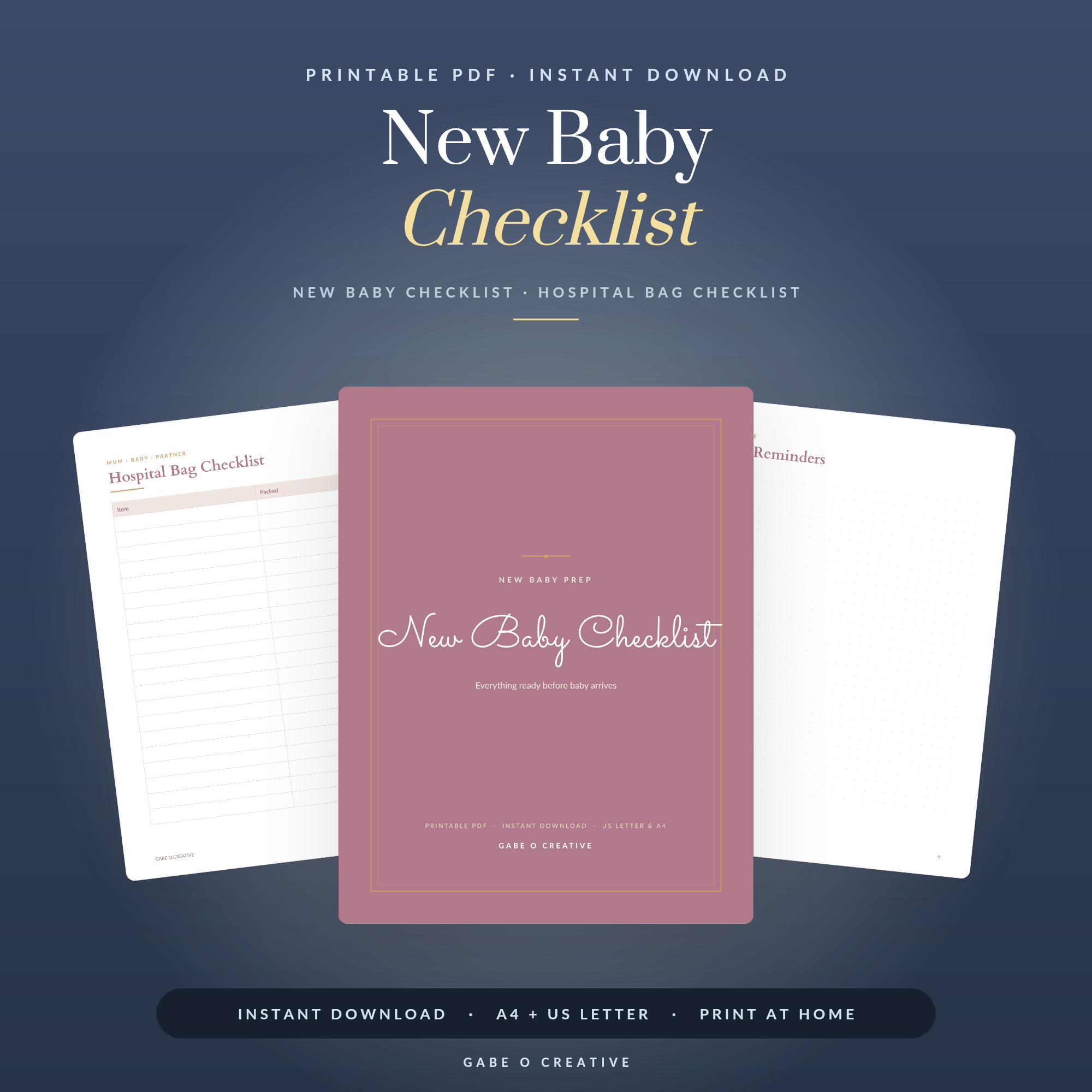 Shop New Baby Checklist →
Out of the House, Nursery and Other People
The first trip out is where confidence wobbles, so make it a short one. Go somewhere you know the toilets, offer the potty just before you leave rather than asking, and take a full change of clothes plus a bag for the wet ones. A travel potty or a folding seat covers most situations, and a towel in the boot covers the rest.
Consistency between adults matters more than the method any one of them prefers. Tell nursery, grandparents and childminders exactly what you're doing: the words you use, when you offer, and the fact that accidents get a calm response and nothing more. Send the chart along, or photograph it — a child who gets praise at home and a sigh at nursery learns that the whole thing is unpredictable, which is the one thing that genuinely slows progress down.
Potty Training FAQs
What age should you start potty training?
Most children are ready somewhere between 18 months and three years, but age is the weakest signal. Readiness signs — staying dry for longer stretches, telling you they've gone, wanting to copy others — matter far more than the number.
What should a potty training tracker record?
Time, whether it was a success or an accident, and whether they asked or you prompted. Those three columns show you the pattern: the shift from prompted to asked is the real progress marker.
How long does potty training take?
Daytime training commonly takes anywhere from a few days to a few months. A tracker helps because progress in week two often looks like nothing day to day but is obvious across a fortnight.
How should I handle accidents?
Calmly and briefly. Clean up without commentary, say something neutral like "pee goes in the potty", and move on. Accidents that get a big reaction — positive or negative — tend to get repeated.
Should I use a reward chart for potty training?
Stickers work well for many children as a short-term nudge, but keep the reward small and immediate and be ready to fade it out. Some children do better with plain praise and no chart at all.
When do children stay dry at night?
Night dryness is a physiological milestone, not a training one, and often arrives months or even years after daytime training. Waiting for consistently dry nappies in the morning is the usual signal to try.
Ready to start? Print the potty training tracker and log day one today, or browse the full Family & Baby collection for logs, checklists and trackers that grow with your child.