
Nobody plans to learn personal finance in the hardest season of their life — yet that's exactly when finances after divorce or separation land on you: joint accounts to untangle, bills in the wrong names, a household income that just halved, all arriving while you're exhausted. Here's the honest reassurance first: this is a sequence, not a mountain. Done as small weekly steps over 90 days, it's genuinely manageable — and the Fresh Start Finances spreadsheet was built to hold the whole sequence for you.
Want the plan ready-made? Fresh Start Finances is a Google Sheets system for exactly this season: the untangling checklist, your first solo budget, and a rebuilding dashboard that shows progress when you need to see it most.
Days 1–7: put the floor in
One week, three moves, and you're standing on your own financial ground:
- Open your own current account (and a savings pot alongside it) and redirect your income into it. This is the keystone — everything else attaches to it.
- Write the emergency list: where you'll live for the next three months, and the five bills that absolutely must be paid (housing, utilities, food, transport, children). Ignore everything else for now.
- Screenshot everything: joint account balances, savings, debts, standing orders. A dated record protects both of you and saves arguments later.
What you should not do in week one: make any permanent decision — big transfers, account closures, pension choices. Floor first, decisions later.

Days 8–30: untangle, gently and in order
Joint finances come apart in a sequence, and the order matters:
| Step | What | Why this order |
|---|---|---|
| 1 | Individual accounts open, incomes moved | Nothing else works without it |
| 2 | Re-point personal direct debits to your account | Stops your bills bouncing when the joint account winds down |
| 3 | Agree what stays shared (mortgage, kids' costs) | Some commitments outlive the relationship |
| 4 | Freeze or convert the joint account | Only once it carries agreed items alone — banks can require both signatures |
| 5 | Notify: council tax, insurers, utilities, electoral roll | Single-person council tax discount alone is worth 25% |
| 6 | Update beneficiaries: pensions, life insurance, will | The most-forgotten step, and the one with the biggest consequences |
Work one row per sitting — a tea-and-30-minutes job, twice a week. The untangling tab in Fresh Start Finances is this exact list with tick-boxes, because crossing things off is half the therapy. And run a subscription audit while you're in there — streaming, insurance add-ons, memberships in the wrong name all surface fast in a Subscription & Bill Tracker.
Days 31–60: your first solo budget (build up, don't trim down)
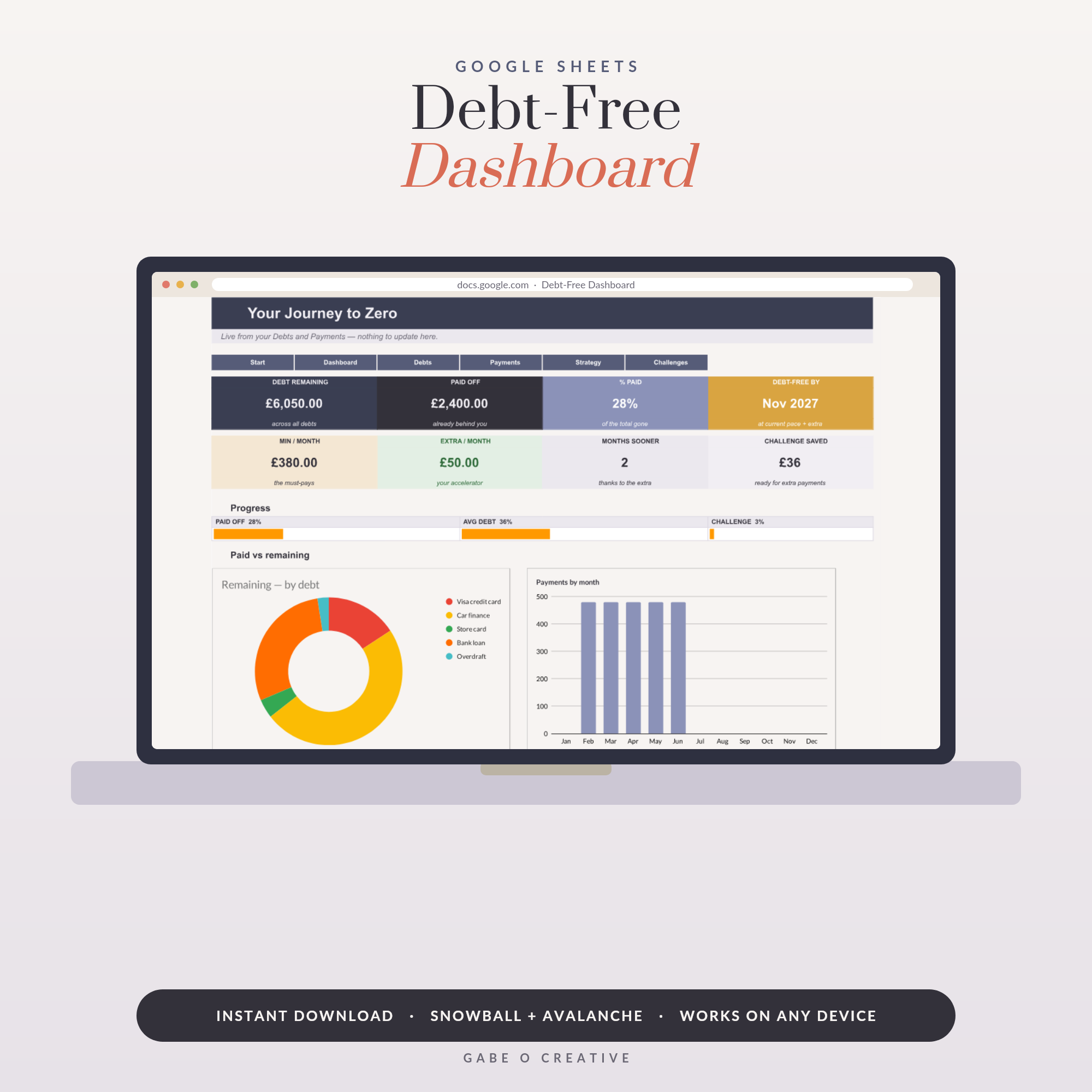
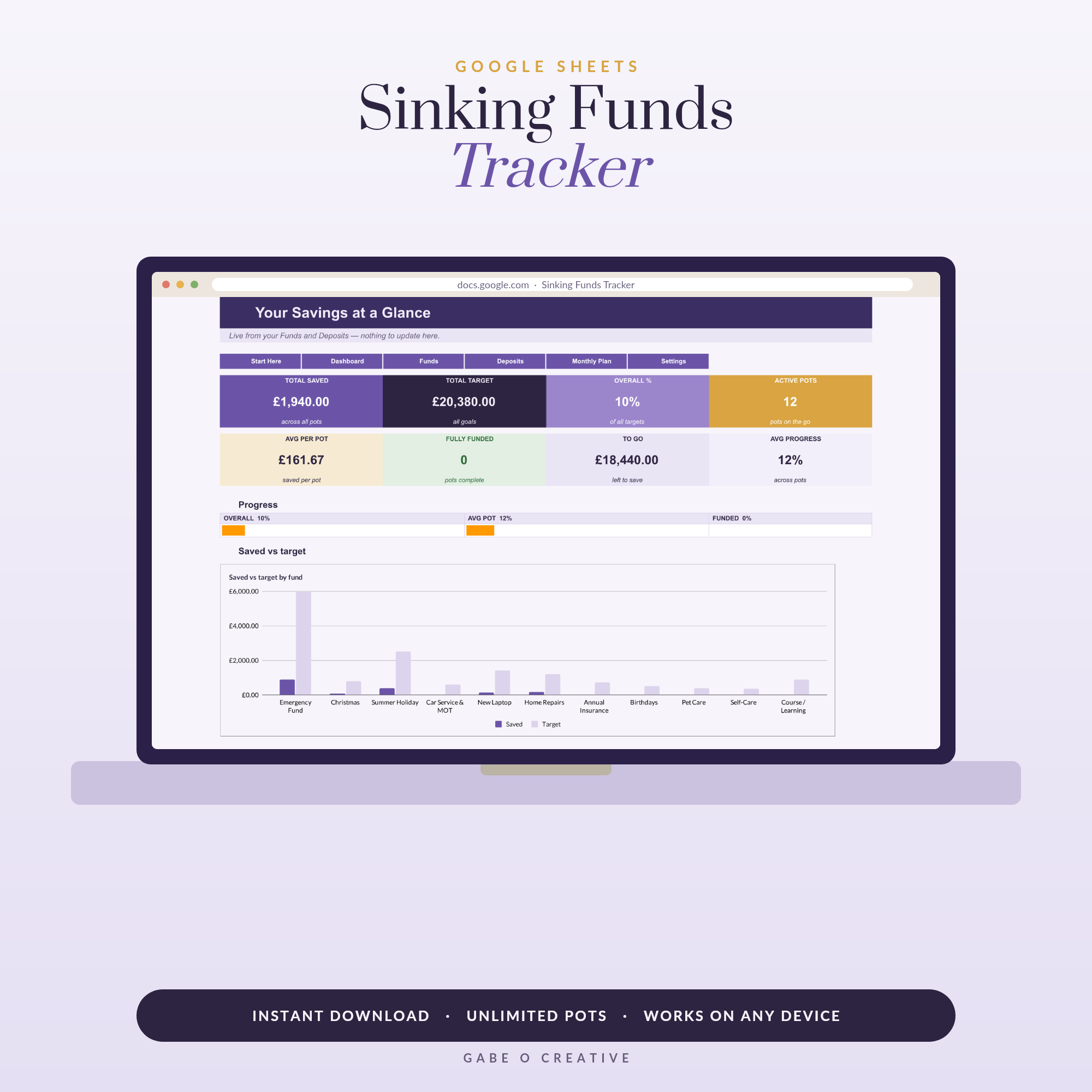
Here's the mindset shift that makes single-income budgeting work: don't start from the old joint lifestyle and cut. Start from zero and build up — your real income at the top, then essentials, then what's genuinely left for everything else. The first month's numbers might sting; that's normal, and it passes. A budget you trust — even a modest one — feels dramatically better than a generous one you're afraid to look at. Three specifics that help in this season: budget a small personal line for yourself without guilt (coffee, a takeaway, a cinema ticket — austerity budgets get abandoned); expect irregular child-related costs and give them a sinking fund rather than letting them ambush the month; and if there are debts from the split, list them once, pick snowball or avalanche in the Debt-Free Dashboard, and let the plan carry the worry instead of you.
If children are part of the picture, give shared costs their own clean lane: a simple monthly record of what was agreed, what was paid and what's outstanding — dated, factual, no commentary. It keeps handovers calm, makes any future mediation conversation shorter, and spares you reconstructing a year of bank statements from memory. The same record quietly protects the children's routines too: school trips, clubs and uniforms stop being surprise flashpoints when they're a planned line both households can see coming.
Days 61–90: rebuild in your own name
Now the forward motion. Credit: check your file with all three agencies, and once joint products are closed, request a financial disassociation — until you do, their borrowing behaviour keeps echoing on your file. Then rebuild quietly: bills in your name, paid on time, low balances. Savings: restart small and automatic — £25 a payday into the emergency pot is a habit, and habits scale. The picture: take a monthly net-worth snapshot in the Net Worth Tracker. In month one it's just a number; by month six it's a line that goes up, and watching that line rise in an account with only your name on it is its own quiet victory — proof, in your own handwriting, that the rebuild is real and gathering pace. One boundary note: for pensions, property division or maintenance, bring in a family solicitor or accredited adviser — pension sharing is permanent and genuinely complex. Arrive organised (that's what the spreadsheet is for) and the professional time costs less.
Your questions, answered
What's the first financial step after separating?
Open your own current account and get your income paid into it. Everything else — dividing assets, closing joint accounts, new bills — moves at legal speed, but your own account is same-week and it's the foundation every other step builds on.
Should we close our joint account straight away?
Not instantly — direct debits for shared commitments (mortgage, children's costs) may still run through it. The usual sequence is: open individual accounts, move your own income out, re-point personal direct debits, agree what stays shared, then close or freeze the joint account once it's only carrying agreed items. Contact your bank — most can add safeguards like requiring both signatures.
How do I budget on one income after divorce?
Start from reality, not the old lifestyle: list your actual new income, list the true essentials (housing, utilities, food, transport, children), and build up from there rather than trimming down from the old joint budget. The first honest month is sobering, then genuinely calming — a smaller number you trust beats a bigger one you fear.
What accounts and policies do I need to update after separation?
Bank accounts and standing orders, the electoral roll and council tax (single-person discount if it applies), insurance policies (car, home, life — and check the beneficiaries), pensions (again, beneficiaries), your will, and any subscriptions or utilities in the wrong name. Beneficiary updates are the most-forgotten and the most consequential.
How do I rebuild credit in my own name?
First check your reports with all three UK agencies and ask for a financial disassociation from your ex once joint products are closed — otherwise their borrowing behaviour keeps affecting you. Then rebuild gently: a bill or two in your name, paid on time, plus keeping credit usage low does more than any quick trick.
When should I get professional advice?
For anything involving pensions, property division or maintenance arrangements, a family solicitor or accredited financial adviser is worth the fee — pension sharing in particular is complex and permanent. This guide (and any spreadsheet) is organisation, not legal or financial advice; think of it as arriving at the professional's office already organised.
For the building blocks along the way, see the 50/30/20 budget rule, how sinking funds work and working out your debt-free date.
One small step a week is enough. Copy Fresh Start Finances and let the untangling checklist, solo budget and rebuilding dashboard carry the load — your name, your money, your fresh start.