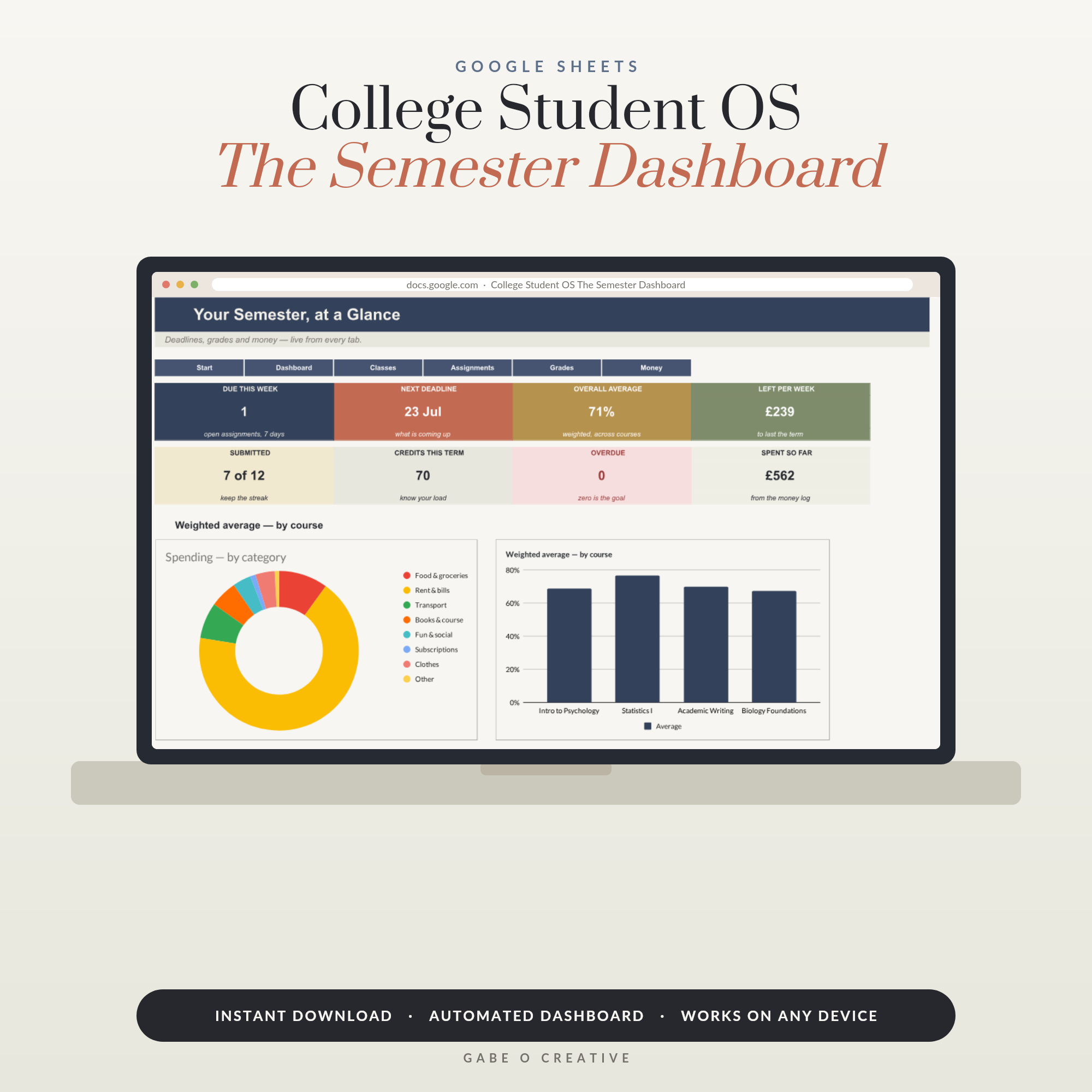
The hardest thing about money at university isn't earning it — it's that a student budget spreadsheet has to stretch one big loan payment across twelve slow weeks. The instalment lands, looks enormous for a fortnight, and then October happens. The fix isn't discipline; it's arithmetic done once: turn the lump sum into a weekly number, and let a tool like the College Student OS keep the running score for you.
Want the whole system in one place? The College Student OS is a Google Sheets student planner with a budget tracker, assignment deadlines, weekly schedule and habit tabs — copy it once and it runs your entire semester.
The one move that fixes student budgeting
Here it is: the day your loan lands, move it out of your spending account. Put the whole instalment in a separate account (most banking apps let you open a 'pot' or second account in minutes), work out your weekly allowance, and set a standing order that pays you every Monday. You've just converted a 12-week temptation into a salary. Every other tip in this guide is a refinement of that move. The maths is simple: instalment, minus rent and fixed bills for the term, divided by weeks until the next instalment. That final number — not the balance the cash machine shows — is your budget.
Build the spreadsheet: four sections, no more
A student budget spreadsheet needs exactly four parts. Anything fancier is a form of procrastination (you have an essay due, we both know it).
- Income — loan instalments with their dates, part-time work, any family top-ups. Termly view, not monthly: your money doesn't arrive monthly, so don't budget as if it does.
- Fixed costs — rent, phone, transport pass, subscriptions, sports membership. These leave first and never count as spending money.
- Weekly allowance — the divided remainder. Food, going out, coffee, laundry, life. One number, refreshed every Monday.
- Sinking fund — a small weekly amount (£5–£10) set aside for irregular hits: textbooks, a birthday, the train home, an emergency phone screen. This is the section everyone skips and everyone regrets skipping.
What a real term looks like
Here's a worked example for a term — adjust the numbers to your own loan and city, but keep the shape:
| Item | Amount | Notes |
|---|---|---|
| Maintenance loan instalment | £3,100 | Lands week 0 |
| Rent (12 weeks) | −£1,680 | £140/week, paid to halls |
| Fixed bills (phone, subs, sport) | −£110 | Audit these every term |
| Freshers'/events ring-fence | −£150 | Allocated before term, guilt-free |
| Sinking fund (12 × £8) | −£96 | Textbooks, travel, surprises |
| Weekly allowance | £88.67 | (£3,100 − £2,036) ÷ 12 |
Notice what the table does psychologically: £3,100 feels like wealth; £88.67 feels like a decision. That's the entire trick. In the College Student OS this table is live — log a spend and the week's remaining balance updates in front of you, which is worth a hundred good intentions.
The four leaks that drain student budgets
Food bought hungry, daily. The meal deal habit costs £80–£100 a month more than batch cooking. Cook three portions every time you cook one; your freezer is a savings account. Our guide to meal planning on a budget covers the student version in detail.
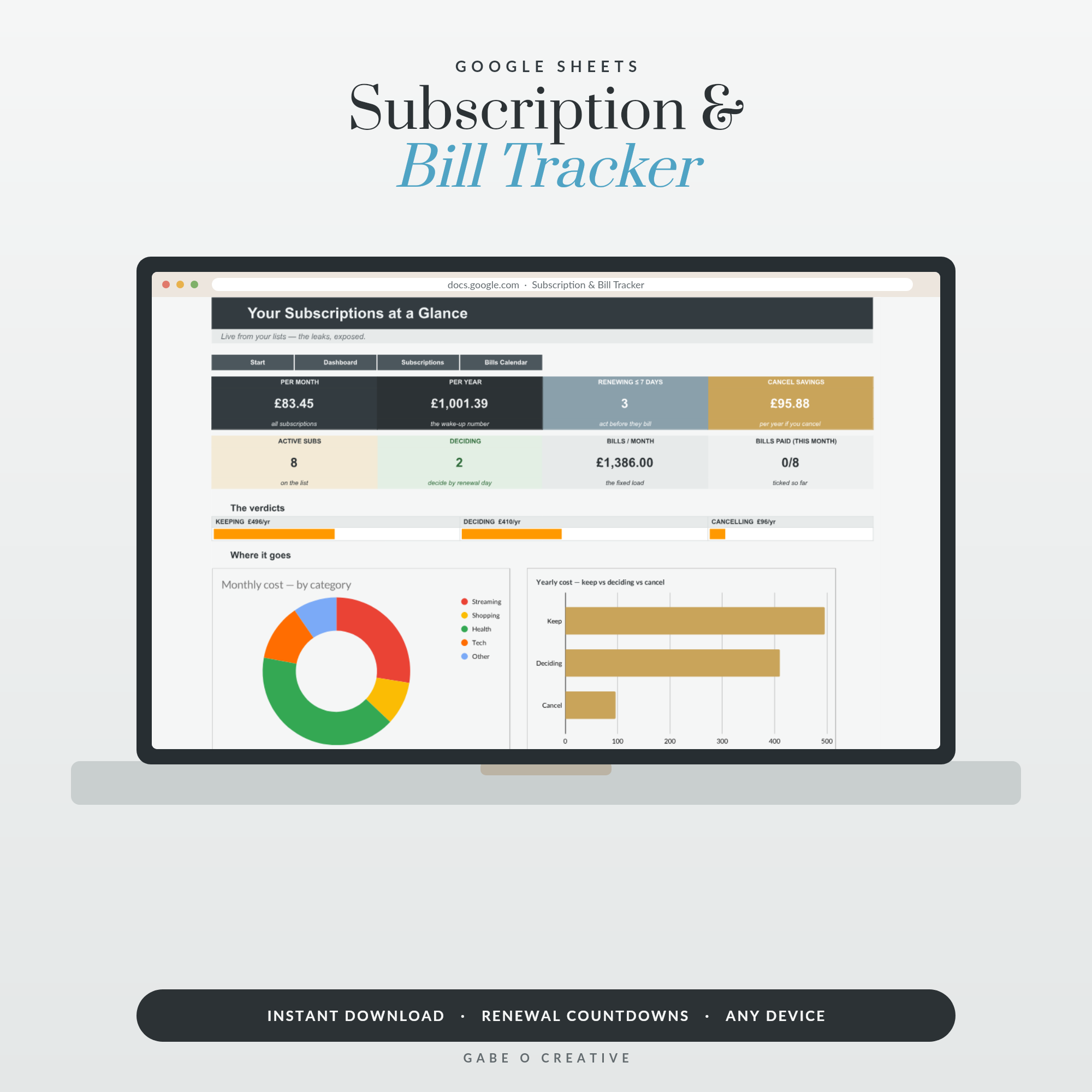
Zombie subscriptions. The free trials from summer, the streaming service you watched once, the premium app tier — audit them the first week of every term. A Subscription & Bill Tracker makes the audit a ten-minute job and usually pays for itself in the first month.
Full-price everything. Totum, UNiDAYS and a railcard aren't optional extras; they're a 10–30% pay rise you claim by asking. Check the discount before every purchase over £10.
Round-number withdrawals. Taking out 'twenty quid for tonight' four times a week is £80 that never touched a plan. Decide the night's number before you leave, not at the bar.
A word on the 0% student overdraft, because it deserves its own sentence: it is an emergency fund someone else is holding for you, not an extension of your loan. Students who mentally add the overdraft to their balance spend it by November and then pay for their entire final year from minus £1,500. Leave it untouched, and it's there for the genuinely bad week — a boiler-broken, laptop-died kind of week — at a cost of nothing. Treat 'available' and 'yours' as different words and you're ahead of half your flat.
When the plan slips (it will)
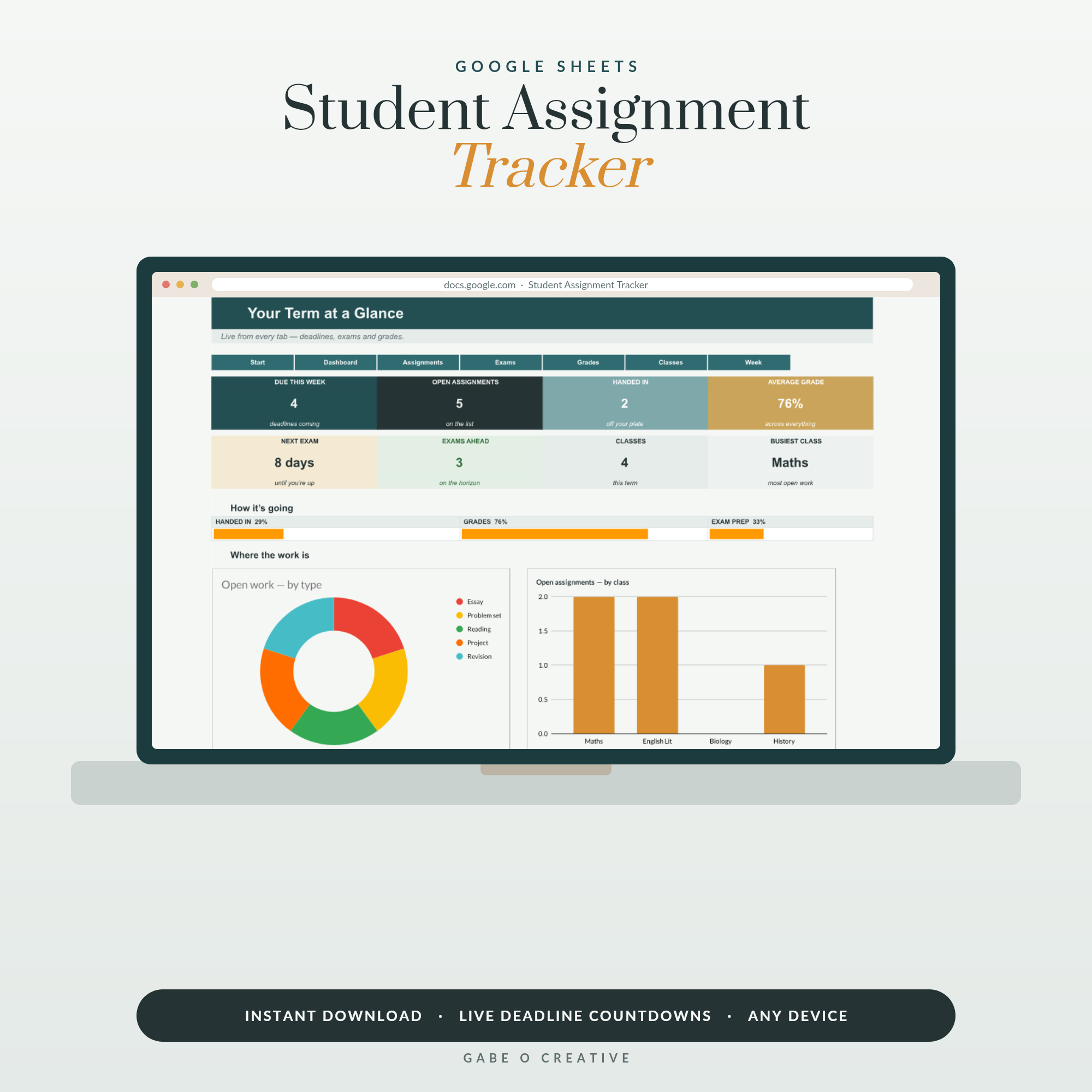
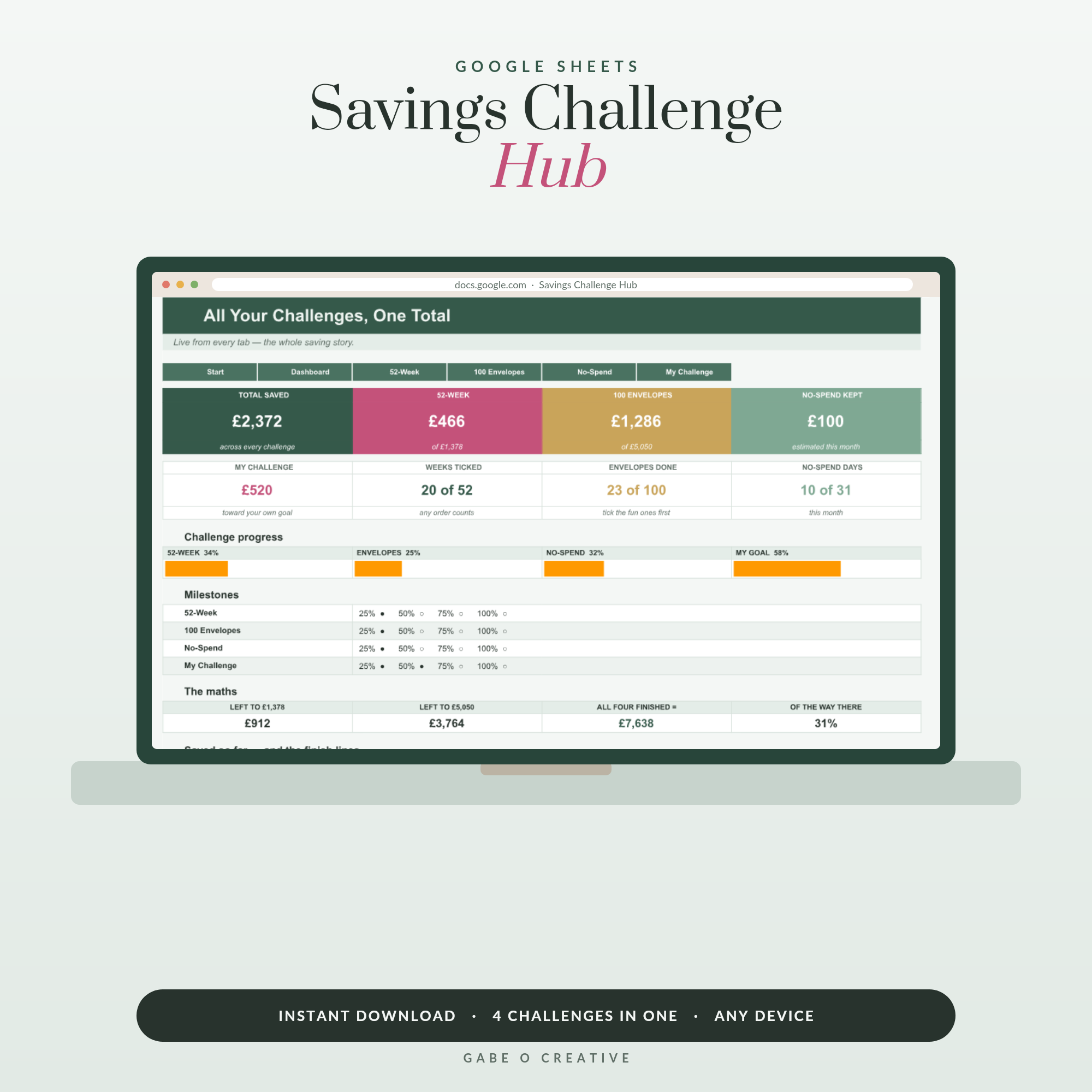
Some week you'll spend £130 of your £89. This is normal and survivable — if the spreadsheet knows. The rule is never hide a bad week from your own budget. Log it, then choose: a lean week next week, a few extra shifts, or a small withdrawal from the sinking fund. What kills student finances isn't the overspend; it's the three months of not looking that follows the overspend. A Sunday check-in of five minutes — balance, upcoming costs, next week's number — keeps you honest and calm. If saving becomes possible later in term, funnel it into something with a shape, like the 52-week or envelope challenges in the Savings Challenge Hub; progress you can see is progress you protect. And if deadlines are the thing derailing your spending (takeaways cluster suspiciously around essay week), track them in the Student Assignment Tracker so panic-spending week never sneaks up on you. Printable-lovers can grab the student bundle for paper versions of the same systems.
Your questions, answered
How much should a student budget per week?
Take what's left of your termly loan after rent and divide it by the number of weeks until the next instalment — that's your real number, and it varies hugely by city and rent. For many UK students it lands somewhere between £60 and £120 a week for everything beyond housing. The exact figure matters less than knowing it.
What's the best way to budget a maintenance loan paid termly?
Move the whole instalment into a separate account the day it lands, then pay yourself a fixed weekly amount into your spending account. This one trick turns a 12-week temptation into a salary, and it's the single biggest difference between students who make it to December and those who don't.
What should a student budget spreadsheet include?
Income (loan instalments, part-time work, family top-ups), fixed costs (rent, phone, subscriptions, transport pass), a weekly variable allowance (food, going out, everything else), and a small sinking fund for irregular hits like textbooks, birthdays and train tickets home. Four sections — anything more is procrastination.
How do I budget for freshers' week without wrecking the term?
Give it its own ring-fenced amount before term starts — £100–£200 is typical — and treat it as spent on day one. The danger isn't the week itself, it's letting freshers' spending quietly eat weeks two to six because nothing was ever allocated to it.
Should I use a budgeting app or a spreadsheet at uni?
Apps are great at telling you what you already spent; a spreadsheet is better at deciding what you're allowed to spend next. Many students use both, but if you pick one, a spreadsheet you check every Sunday builds the skill you'll use for the rest of your life — and it's free.
How can I stretch my student budget further?
The big four: cook in batches (the single largest saving available to you), audit subscriptions each term, always ask for student discount with a Totum/UNiDAYS card, and buy course books second-hand or check the library before paying full price. Together these routinely free up £15–£30 a week.
Moving into halls soon? Start with the college dorm checklist, then set your money rules with the 50/30/20 budget rule — and if your income comes from shifts rather than a loan, read budgeting on an irregular income.
Ready to stop guessing? Copy the College Student OS — budget, deadlines, schedule and habits in one free-to-use Google Sheets planner that lasts your whole degree.