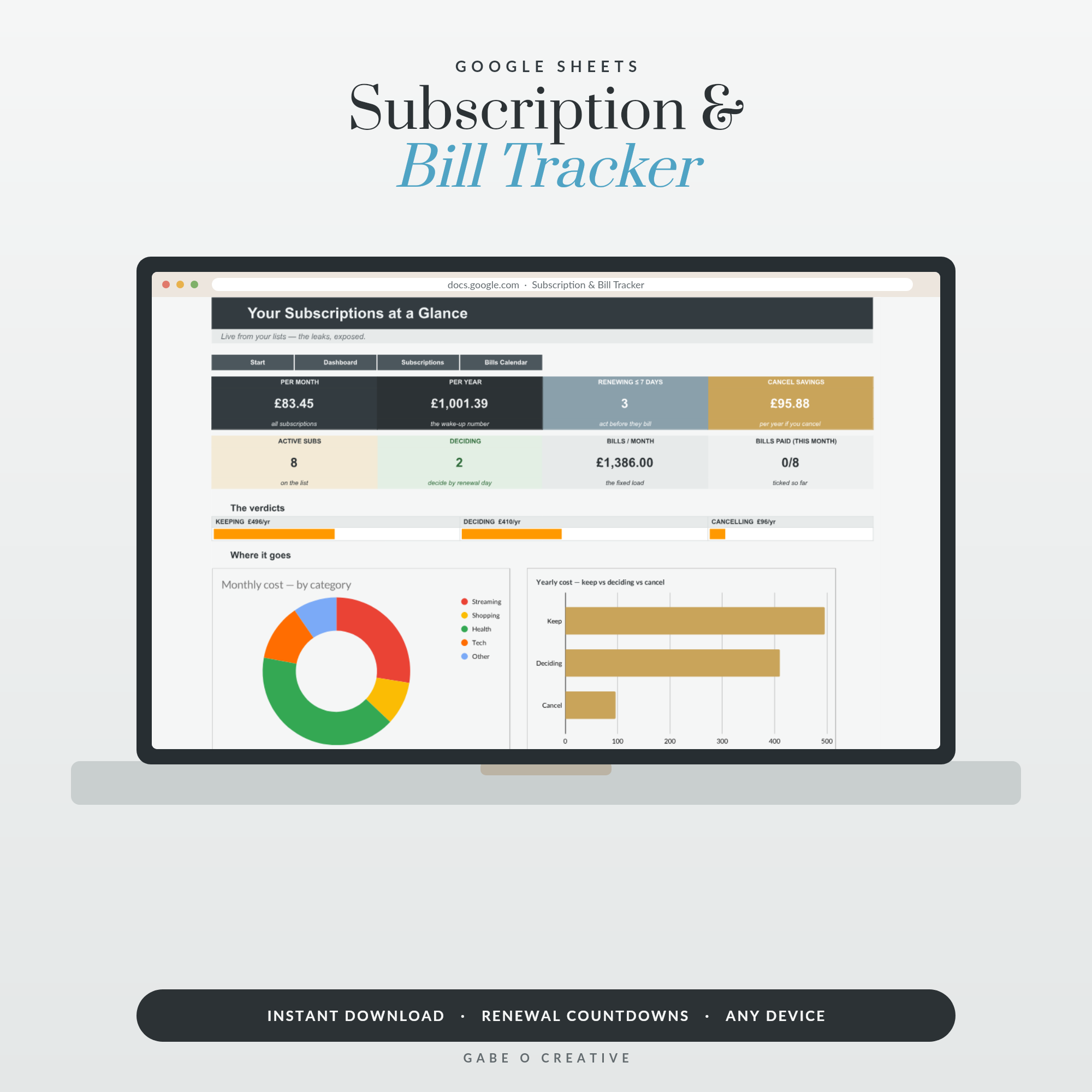
If you want to cancel unused subscriptions and actually feel the difference, you need a system, not a vague intention to 'sort the streaming services out'. The average UK household leaks £25–£40 every month on subscriptions nobody has touched in 90 days — the app that came with a free trial, the second music service, the gym visited twice in February. This guide is the ten-minute audit that surfaces every recurring charge you pay, the three-question test that makes keep-or-cancel decisions instant, and the tracking habit that stops the creep from quietly rebuilding. Log everything you find in the Subscription & Bill Tracker for Google Sheets and this becomes a twice-a-year, ten-minute ritual with a £300+ annual payoff.
Want the tracker ready before you start? The Subscription & Bill Tracker logs every service, price and renewal date, and totals the monthly damage automatically.
Why subscriptions are designed to be forgotten
Subscription pricing works because of two quiet forces. The amounts are individually invisible — £4.99 here, £8.99 there, nothing worth a decision — and the billing is automatic, so the moment of payment never crosses your attention again. Add free trials that convert silently, annual renewals that arrive eleven quiet months after you subscribed, and price rises applied to loyal customers who never check, and you get the modern default: everyone pays for things they do not use. None of this is an accident, and none of it is your fault. But it does mean the fix has to be deliberate, because the system will never prompt you.
 Shop Monthly Budget Planner →
The ten-minute audit, step by step
Set a timer; this genuinely takes about ten minutes. First, open your last 90 days of bank and credit card statements and write down every repeating charge — same payee, same-ish amount, monthly rhythm. Second, check the layers that never show up cleanly on statements: your phone's app store subscriptions page (Settings → your name → Subscriptions on iPhone; Play Store → Payments & subscriptions on Android), PayPal's automatic payments list, and any card you rarely use. Third, think in months, not statements, for the annual ones: domain renewals, cloud storage, prime memberships, insurance add-ons — scan last year's statements for single large charges from subscription-shaped companies. Write every single one down with its price and renewal date. Most people's list is two to three items longer than they predicted, and seeing the monthly total in one place — often £120–£250 — is the moment the audit pays for itself.
The keep / cut / downgrade test
Now run each line through three questions. Did I use it in the last 30 days? Would I sign up again today, at today's price? Is there a cheaper tier that covers how I actually use it? The answers sort everything into three piles:
| Verdict | The signal | Action |
|---|---|---|
| Keep | Used this month and you'd happily re-buy | Note the renewal date, consider annual pricing |
| Downgrade | Used, but the price makes you wince | Drop a tier, share a family plan, or take the ad-supported version |
| Cut | Not used in 30+ days, wouldn't re-buy | Cancel today — not 'after one more month' |
Be honest about the aspirational ones. The language app you will definitely get back to, the premium fitness service from January — the test is not whether the aspiration is worthy, it is whether you are living it this month. You can always resubscribe the week you actually restart; that costs nothing, while 'keeping it just in case' costs every month.
The cancellation hour
Batch the cutting into one sitting, because each cancellation is designed to take five annoying minutes. Expect retention offers — 50 per cent off for three months is common — and only accept one if you would have kept the service at that price anyway. If you accept, diary the date the discount ends. That diary entry is the difference between a deal and a delayed full-price renewal.
 Shop All-in-One Personal Finance Dashboard, Google Sheets Budget Template, Net Worth, Debt Payoff & Savings Goal Tracker →
Make the total visible, then keep it visible
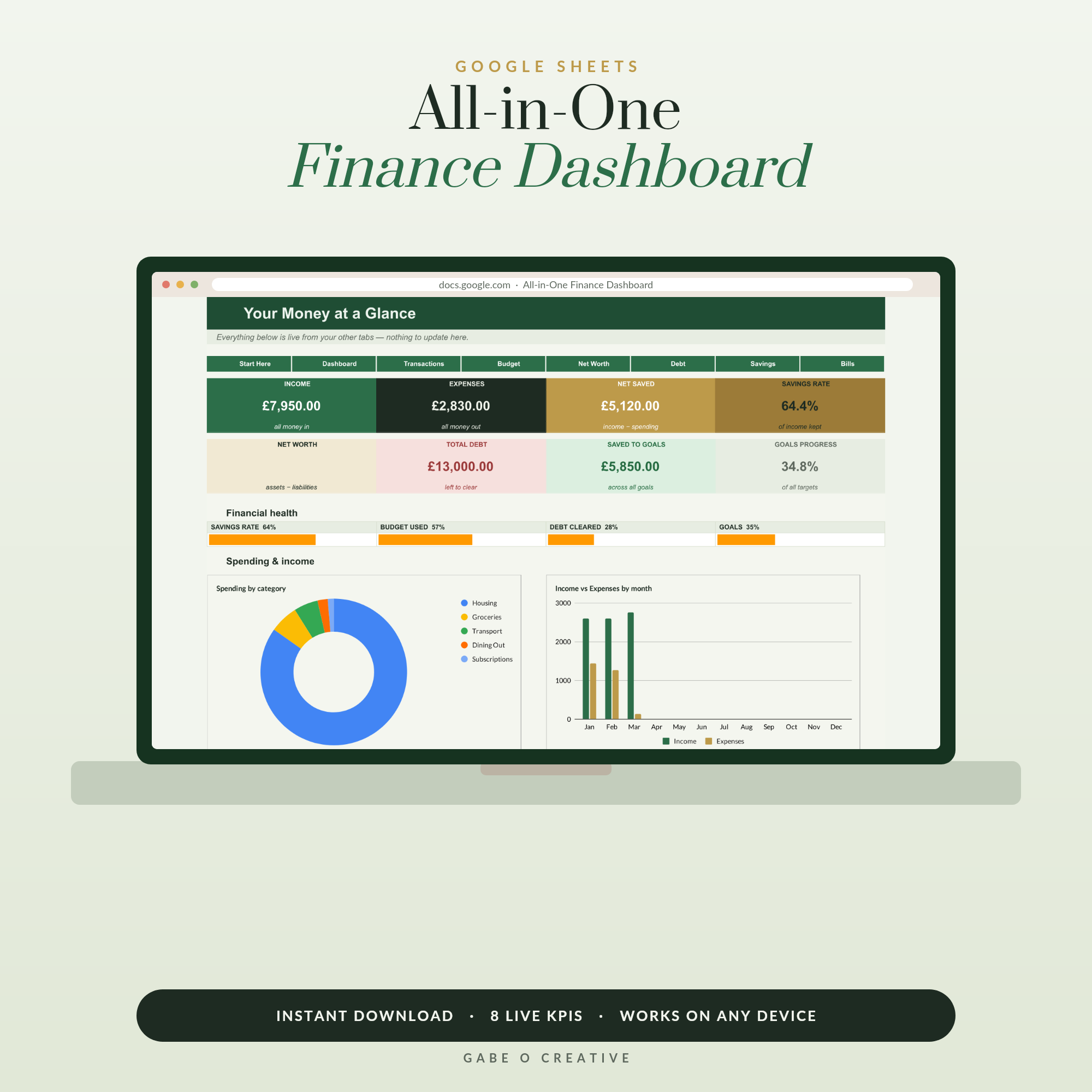
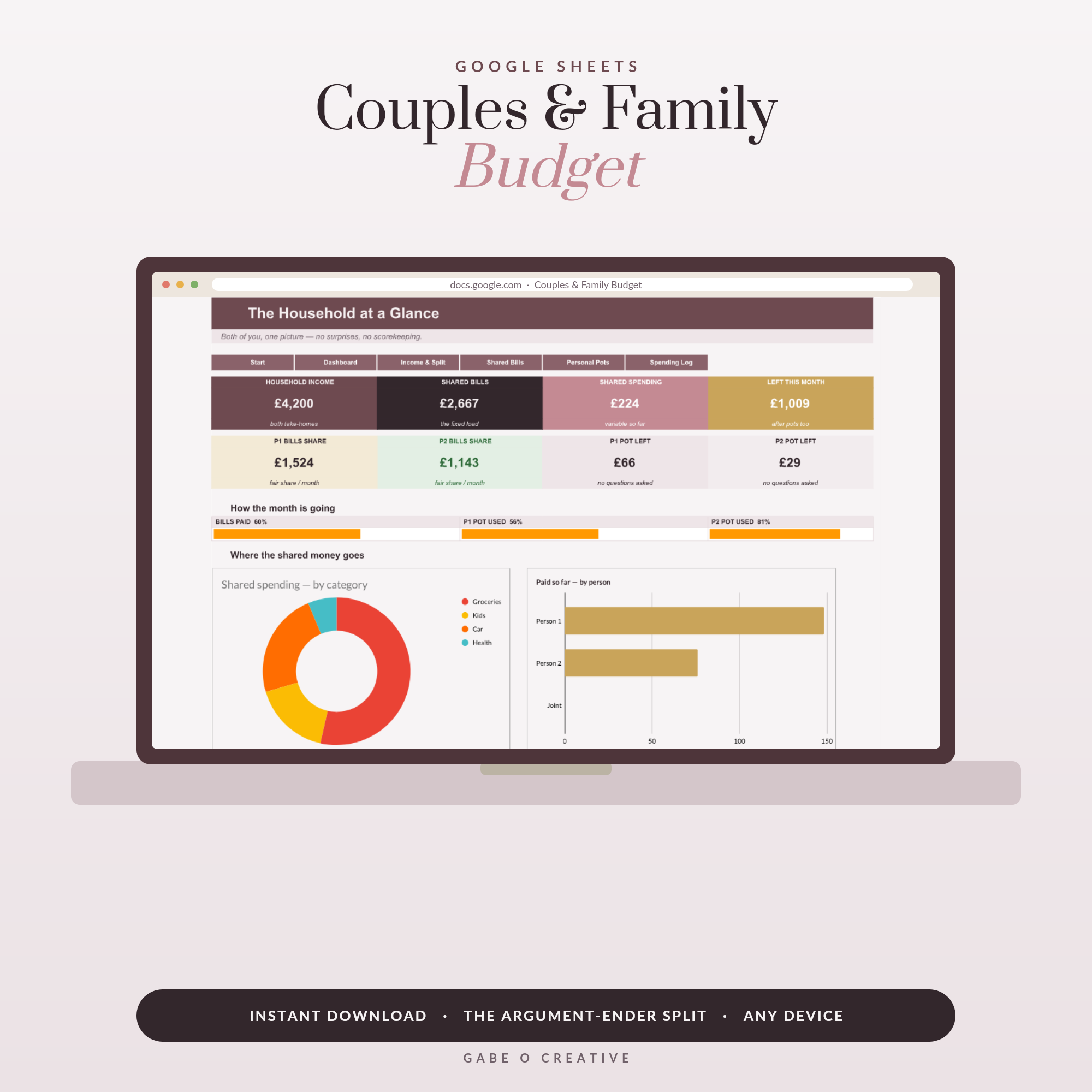
The audit's real power move is turning twelve scattered charges into one number: 'we pay £164 a month for subscriptions.' Numbers you can see get managed; numbers scattered across three cards do not. This is exactly what the Subscription & Bill Tracker is for — every service, price, renewal date and a running monthly total, with the renewals coming up next flagged before they bill. Fold that number into your wider plan with the 50/30/20 rule, and if you share finances, run the audit together — 'whose is this £7.99?' is a genuinely useful question, and our guide to splitting bills as a couple covers where shared subscriptions should live. For the full money picture, the All-in-One Finance Dashboard gives subscriptions a line in a budget that runs itself, and the freed-up £30 a month looks very good in a net worth tracker after a year.
Redirect the win so it stays won
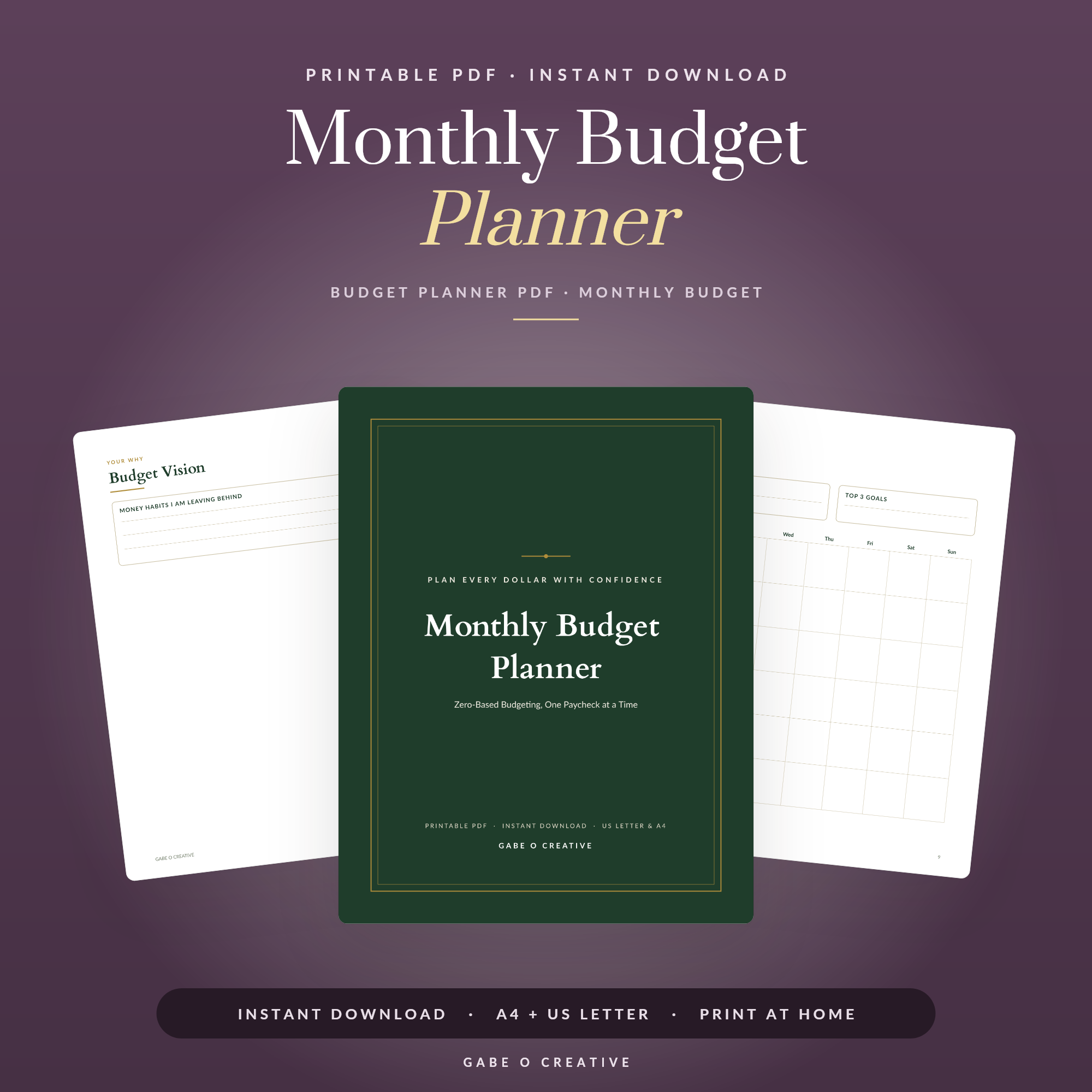
Cancelling £34 a month feels great for a week — then the money dissolves into general spending and the win evaporates. Give it a destination the same day: a standing order of the exact amount into savings, a named sinking fund, or an extra debt payment. £34 a month is £408 a year; pointed at one goal, that is a holiday deposit or a Christmas fully paid in cash. Then protect the win with two small habits: every new subscription gets logged in the tracker the day it starts (renewal date included — free trials are the main back door), and the ten-minute audit goes in the calendar twice a year. January and July work well. If you are starting your whole budget from scratch, the £2.99 monthly budget planner or the wider Budget & Finance collection are easy first steps.
 Shop Couples Budget Spreadsheet Google Sheets, Family Budget Planner with Fair Bill Split Calculator, Shared Expenses & Personal Money Tracker →
Frequently asked questions
How do I find all my subscriptions?
Scan 90 days of bank and credit card statements and search for repeating amounts — then check the hidden layers: app store subscriptions on your phone, PayPal's automatic payments page, and anything billed annually that will not show in a three-month window. Most people find at least two charges they had completely forgotten.
How much does the average household waste on subscriptions?
UK studies consistently put wasted subscription spend between £25 and £40 a month per household — services unused for 90 days or more. That is £300 to £480 a year for precisely nothing, which is why the ten-minute audit has the best hourly rate of any money job.
What is the keep/cut/downgrade test?
For each subscription ask: did I use it in the last 30 days, would I sign up again today at this price, and is there a cheaper tier that covers how I actually use it? Genuine yes to the first two — keep. No to both — cut. Yes but wincing at the price — downgrade or share a family plan.
Should I cancel or pause subscriptions?
If the service offers a genuine pause, it is a good test: pause for two months and see if you miss it. If you never think about it again, cancel properly. Beware retention discounts that re-inflate after three months — diary the end date if you accept one.
How do I stop subscription creep coming back?
Two habits: log every new subscription in a tracker the day you start it (with its renewal date and price), and run the ten-minute audit twice a year. Free trials are the main back door — set a phone reminder for day 25 of any 30-day trial.
Are annual subscriptions cheaper than monthly?
Usually 15–40% cheaper, but only for services you are certain you will keep — an annual plan for something you abandon in March costs more than monthly would have. Pay annually for proven keepers, monthly for anything you are still testing, and never let an annual renewal arrive as a surprise.
Ready to find your £30 a month? Run the ten-minute audit tonight and log it all in the Subscription & Bill Tracker for Google Sheets — every service, every renewal date, one honest total.