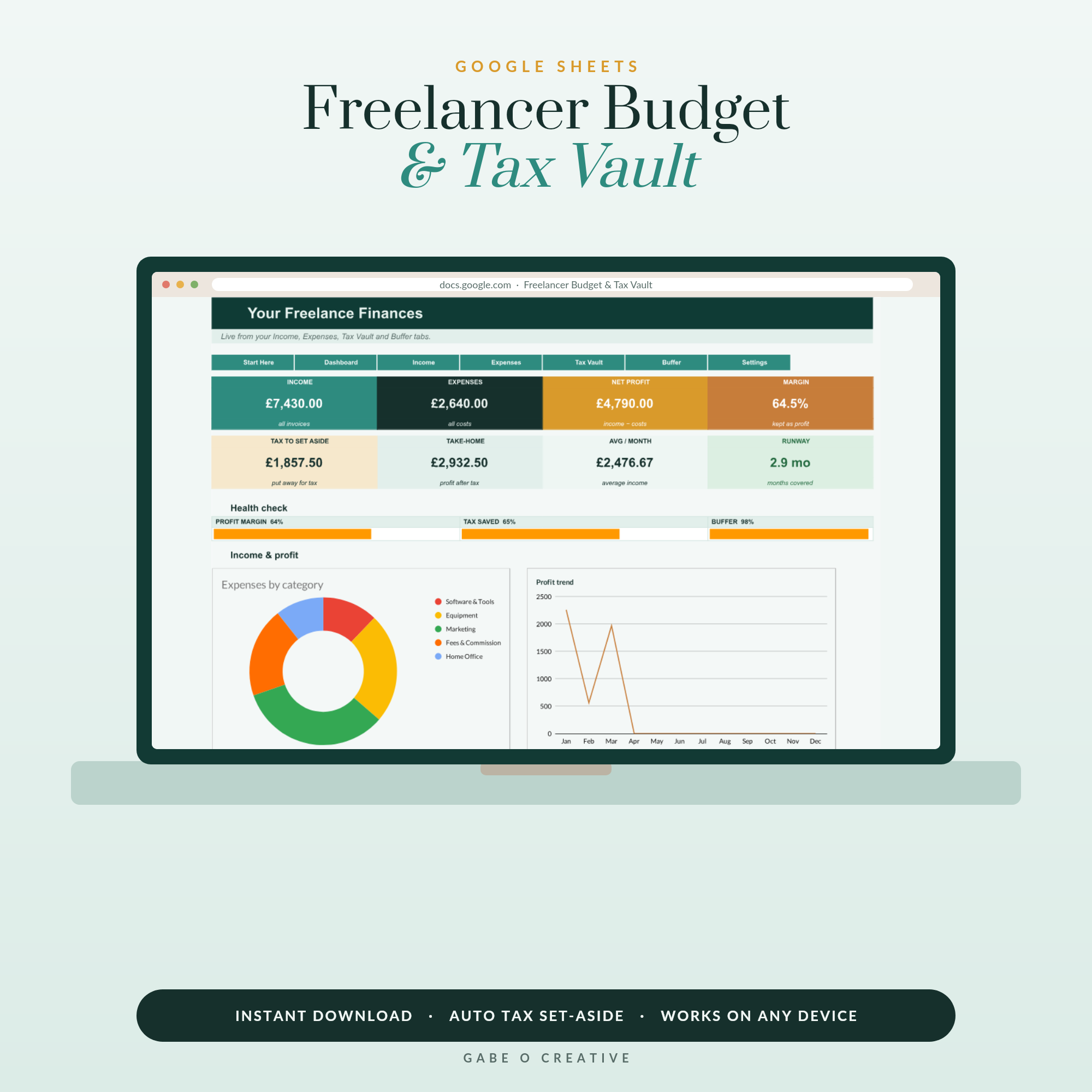
Every freelancer remembers their first tax-bill fright — the moment you realise the money you spent in March was never really yours. Asking how much should freelancers set aside for tax is the beginning of never feeling that again. The short answer is a rule of thumb: 20–30% of profit, moved somewhere safe the moment you get paid. The longer answer — how to pick your number, when to move it and how to make the habit automatic — is below, and it's exactly the job the Freelancer Budget & Tax Vault was built to do: it calculates the set-aside on every invoice you log, so the tax pot fills itself.
Want it handled today? The Freelancer Budget & Tax Vault tracks income by client, works out your tax slice per invoice, and shows your runway in lean months — one automated Google Sheet, yours forever.
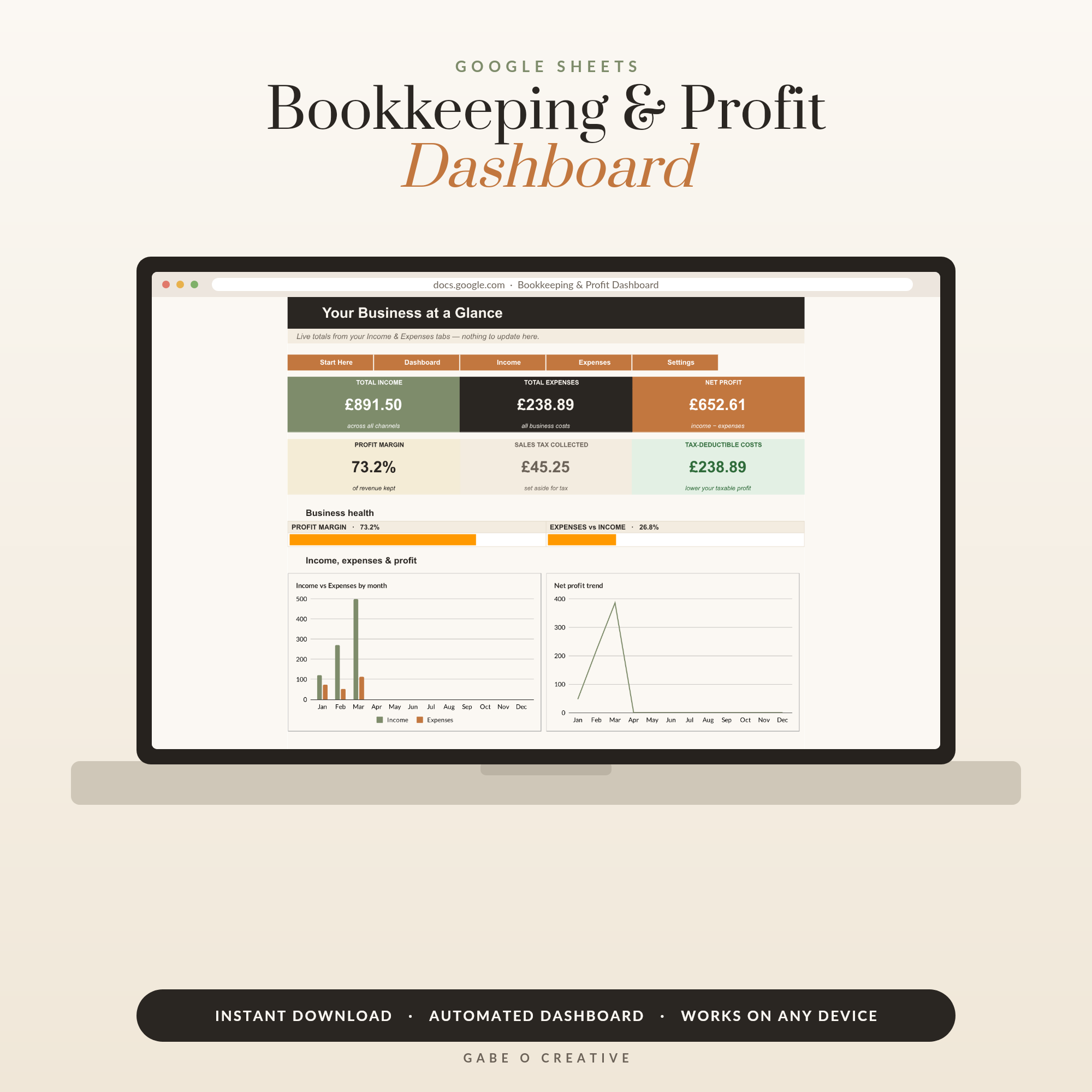 Shop Small Business Bookkeeping & Profit Dashboard, Google Sheets Template, Automated P&L, Income Expense Tracker →
Why Tax Feels Harder When You're Freelance
Employees never meet their tax — it's gone before the salary lands, and what arrives is genuinely theirs. Freelancers get the whole invoice, and every pound of it feels spendable. That feeling is the trap. Part of every payment belongs to the tax authority; it's just been left in your custody until the bill arrives. The freelancers who feel calm in January aren't earning more — they've simply stopped treating custody as ownership. The fix is a boring, beautiful system: decide your percentage, move it on every payment, and never look at the tax pot as money.
Picking Your Percentage (Rules of Thumb, Honestly Explained)
Your true rate depends on your country, your profit level and what rides along with income tax — self-employment contributions, student loan repayments and the like. That's why the honest guidance is a range:
| Situation | Common set-aside | Why |
|---|---|---|
| Side income alongside a job | 25–30% | Freelance profit stacks on top of your salary, so it's often taxed at your highest rate |
| Modest full-time freelancing | 20–25% | Allowances soften the early bands |
| Higher earnings | 30%+ | Higher bands plus extras start to bite |
| First year, no idea yet | 30% | Over-saving is a bonus in January; under-saving is a crisis |
Two notes that matter. First, tax is owed on profit — income minus allowable expenses — which is why clean books (see our guide to simple bookkeeping for sellers) directly lower your bill. Second, these are planning rules of thumb, not advice: confirm your actual rate with your tax authority or an accountant, then automate it and stop thinking about it.
When in doubt, round up
Nobody has ever been upset to find their tax pot too full. Over-saving by 5% builds you a bonus; under-saving by 5% builds you a January problem. If your findings put you between two numbers, take the higher one.
The Per-Invoice Habit (the Part That Actually Works)
The difference between freelancers with tax anxiety and those without is rarely the percentage — it's the timing. Move the slice when the payment lands, not at month-end, and certainly not 'when things settle down':
- Invoice paid — £1,200 arrives from a client.
- Log it — one line in your tracker: date, client, amount.
- The vault does its sum — at 25%, £300 is flagged for tax.
- Move it now — into the separate pot before the money warms up in your account.
- Spend what's left with a clear head — the £900 is truly, honestly yours.
This is precisely what the Tax Vault tab automates: set your percentage once, log invoices as they're paid, and the sheet keeps a running total of what should be sitting in your tax pot — so you can check the two numbers match in ten seconds.
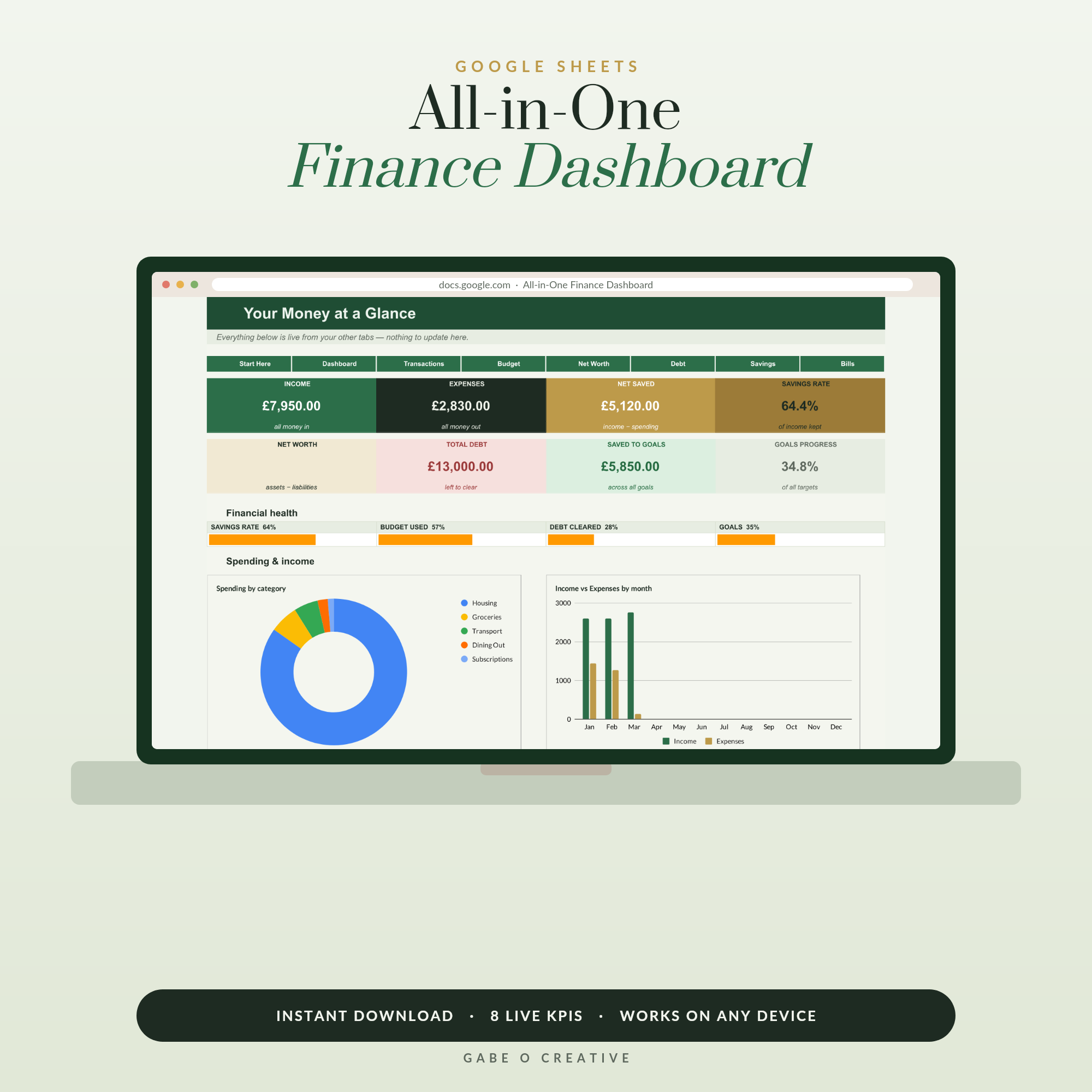 Shop All-in-One Personal Finance Dashboard, Google Sheets Budget Template, Net Worth, Debt Payoff & Savings Goal Tracker →
Budgeting When Every Month Is Different
Irregular income breaks fixed budgets, so run yours on percentages instead. A simple, battle-tested split for each payment: 25% tax, 10% savings/buffer, and the rest funds a steady monthly 'salary' you pay yourself. In good months the surplus builds your buffer; in quiet months the buffer tops up your salary. The vault's runway view answers the freelancer's 3am question — 'how long am I covered if nothing comes in?' — with an actual number of months, which is worth more than any amount of positive thinking. Pair it with the All-in-One Finance Dashboard on the personal side and the spreadsheet-over-apps approach covers your whole money life without a single subscription.
Don't forget the expense side
Every legitimate business expense you record — software, equipment, a fair slice of home-office costs — reduces the profit your tax is calculated on. Freelancers who don't track expenses effectively tip their tax authority. Log them weekly while the receipts are fresh; your sinking funds can even smooth the lumpy ones like insurance and kit upgrades.
Growing Past the Spreadsheet-Anxiety Stage
Once the tax habit runs itself, the same calm spreads outward. A simple CRM keeps your pipeline honest so income dips stop surprising you; a side-hustle planner keeps the whole venture pointed somewhere. The pattern is always the same: a system you trust, updated in minutes, checked weekly. Freelancing stops feeling like freefall roughly the week your money starts living in one.
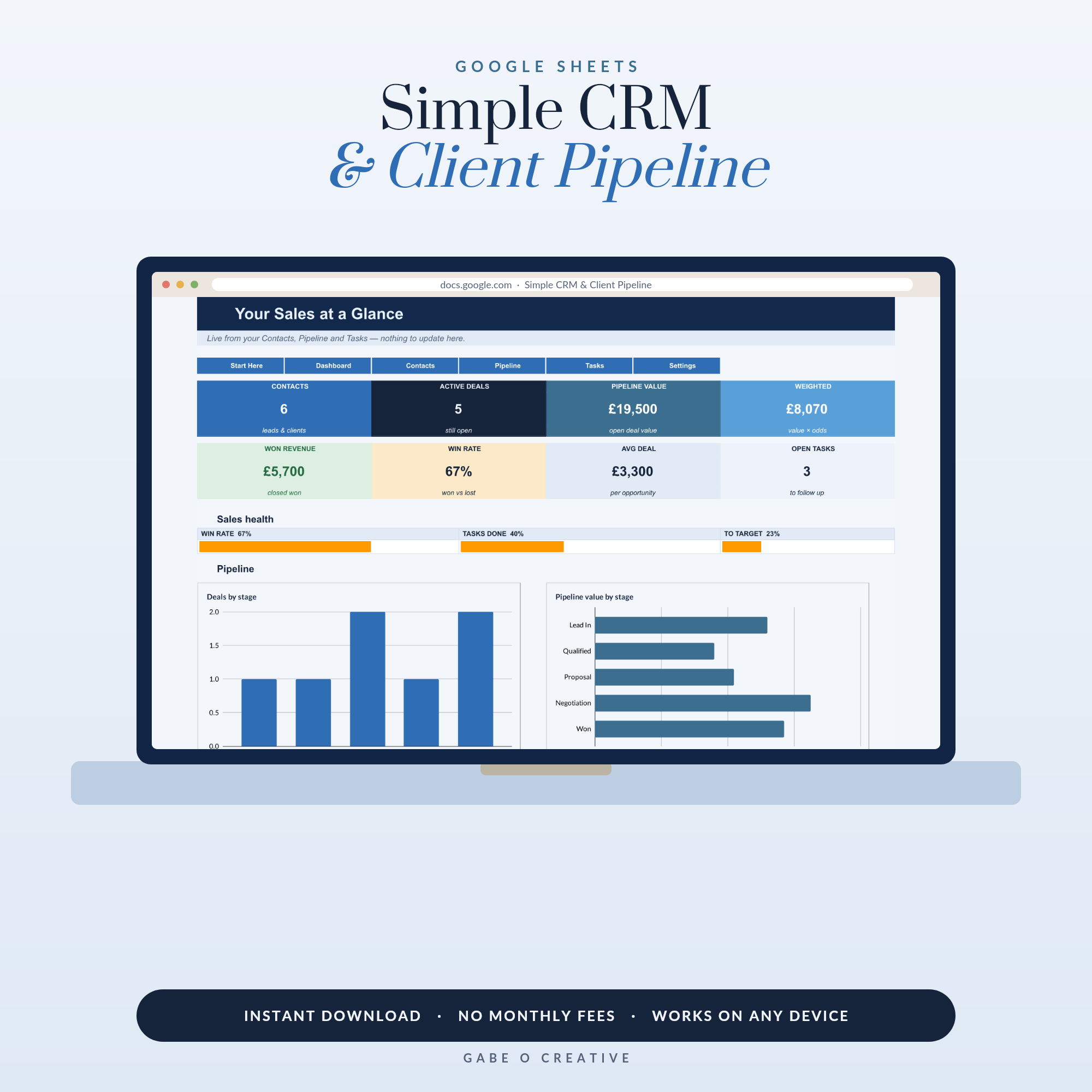 Shop Simple CRM & Client Pipeline, Google Sheets Template, Sales Tracker, Lead & Deal Pipeline, Small Business CRM →
The Second-Year Surprise (Read This Before It Reads You)
One more trap deserves a spotlight, because it catches thousands of freelancers precisely when they think they've mastered the system. Many tax systems don't just bill you for the year you've finished — once your bill passes a threshold, they also ask for advance payments — in the UK these are called payments on account — toward the year you're currently in, often due at the same time. The practical effect: your second-year bill can look like one and a half or even two years of tax landing at once. Freelancers who saved a tidy 25% for year one open the letter and feel robbed — but it's not extra tax, just tax arriving earlier. The defence is simple: in your first couple of years, treat any 'spare' money in the vault as spoken for until a full cycle of bills has passed, and if your income is climbing, nudge your percentage up rather than down. When the letter comes and your pot already covers it, you'll feel the specific smugness available only to people whose spreadsheets saw the future. Ask an accountant how advance payments work in your country — it's a ten-minute conversation that prevents the single most common freelancer money shock.
Tracking rental income as well? Our landlord spreadsheet guide shows a simple way to log income and expenses ready for tax.
Freelancer Tax FAQs
What percentage should freelancers set aside for tax?
A widely used rule of thumb is 20–30% of profit — towards the lower end for modest earnings, higher once you're into higher tax bands or owe things like National Insurance and student loan repayments on top. Your exact figure depends on your country and circumstances, so confirm it with your tax authority or an accountant.
Should I set tax aside from every invoice or once a month?
Per invoice is the habit that never fails. The moment a payment lands, move the tax slice to a separate pot before the money feels like yours. Monthly works too — but only if you never skip a month, and lean months make skipping tempting.
Where should freelancers keep their tax money?
Somewhere separate and boring: a second bank account or a named savings pot. Ideally one that earns a little interest — it's your money until the bill is due. The only rule is that it doesn't sit in the account you spend from.
What happens if I haven't saved enough for my tax bill?
Don't panic and don't ignore it. Most tax authorities offer payment plans if you contact them before the deadline. Then fix the system: work out the shortfall percentage and add it to your set-aside rate for the coming year.
Do I need to set aside tax on every pound I earn?
Tax is generally owed on profit, not revenue — earnings minus allowable business expenses. That's why tracking expenses matters so much: every legitimate expense you record lowers the profit your tax is calculated on.
How do I budget when my freelance income changes every month?
Use percentages instead of fixed amounts: a fixed cut of every payment goes to tax, another to savings, and pay yourself a steady 'salary' from what remains. Good months build a buffer; the buffer smooths the lean ones.
Ready to never fear the tax bill again? Get the Freelancer Budget & Tax Vault — automatic tax set-aside, income buffer and client tracking in one Google Sheet — or explore the whole Google Sheets collection.